




Ringgit peg not in M'sia's best interest - Bank Negara governor
She said one risk is mirroring the monetary policy of the country that the local currency is pegged against.
Maintaining a peg would be very costly as it will take up a sizeable...
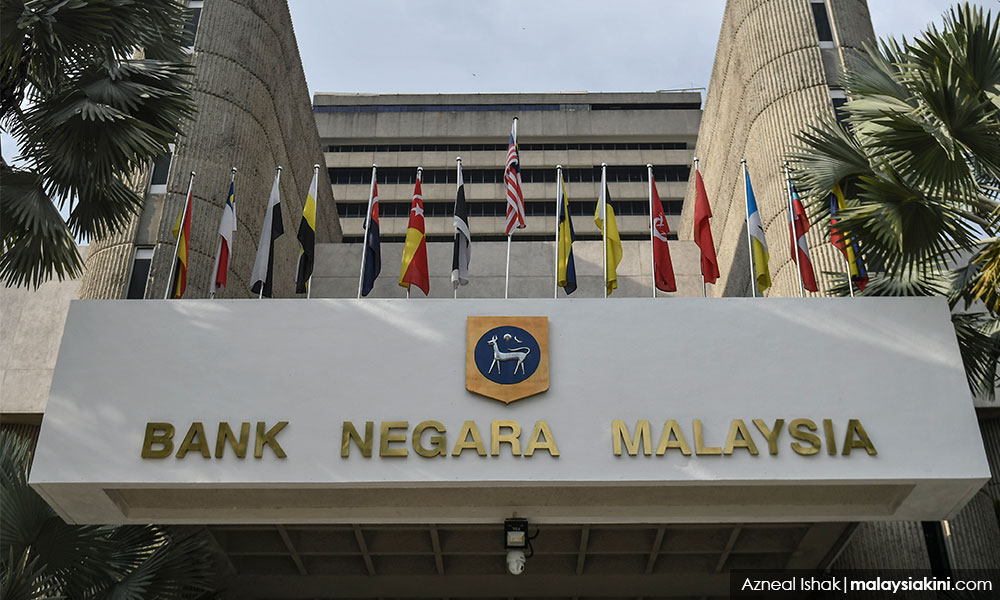
Pegging the ringgit will not be in the best interest of Malaysia as it will have substantial risks, said Bank Negara Malaysia (BNM) governor Nor Shamsiah Mohd Yunus.
She said one risk is mirroring the monetary policy of the country that the local currency is pegged against.
Maintaining a peg would be very costly as it will take up a sizeable amount of reserves, she said, especially in the last decade, and this ultimately would weaken Malaysia’s external resilience.
“A peg will have detrimental effects on investors’ sentiment, affecting not only foreign direct investment into Malaysia but also leads to capital outflows from Malaysia,” she said.
She was speaking to reporters after announcing Malaysia’s Gross Domestic Product (GDP) performance for the first quarter (Q1) of 2022 in Kuala Lumpur today.
She said BNM does not target any level of exchange rate and would ensure there is no excessive volatility in the exchange rate and conditions in the financial market.
“We have to acknowledge that the key factor that contributed to our ability to successfully track the ringgit in 1998 was the capital controls that were introduced back then,” she said.
On the weakening of the local note, she said it was largely driven by external factors with strong growth in the US and rising inflation.
“On top of that, we have a lot of uncertainties in the global economy, including the ongoing conflict in Ukraine and uncertainty in China due to lockdown,” she said.
She said the Volatility Index (VIX) has also gone up constantly which resulted in a stronger US dollar while currencies in other countries were seen to depreciate against the greenback.
“Movement in the ringgit is in line with other regional countries and again I would like to stress having a flexible exchange rate is most appropriate given the current circumstances,” she said.
Nor Shamsiah said the onshore foreign exchange trading volume in the local market has been healthy and the volatility in the domestic onshore market has been not very far from the daily volatility rate.
She added that the flexible exchange rate buffered the economy and also preserved Malaysia’s competitiveness under the global condition.
According to the BNM, the local note depreciated 0.7 percent against the US dollar in Q1 of 2022 and 4.7 percent as of May 11, 2022, broadly in line with the movement of regional currencies.
- Bernama




Are you sure you want to delete this comment?
This action cannot be undone.