



Dress code by govt depts needed to maintain harmony - Cuepacs
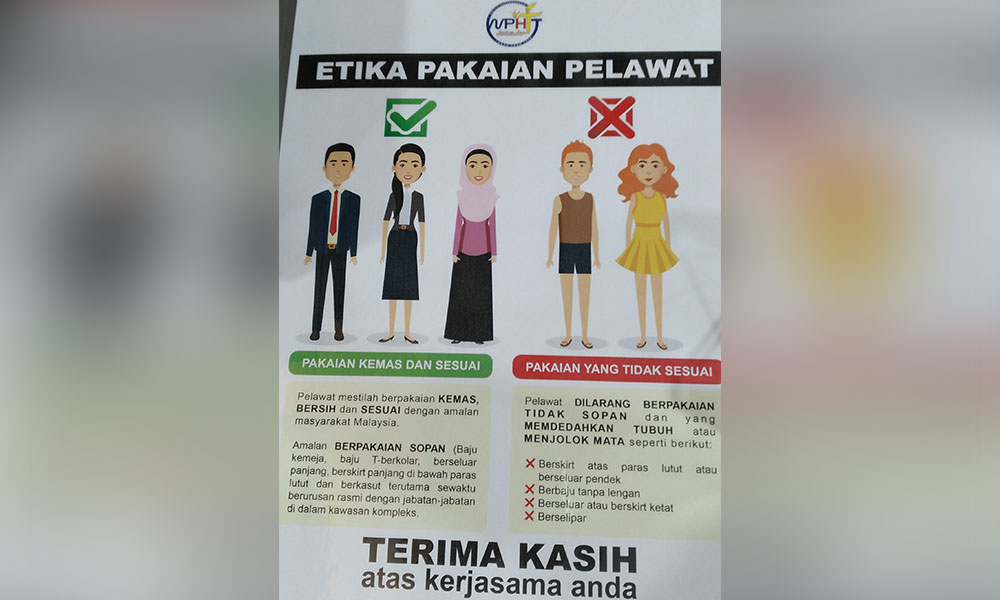
The Congress of Unions of Employees in the Public and Civil Services (Cuepacs) opposes Beruas MP Ngeh Koo Ham’s call for action against heads of government departments for setting dress codes for the public when entering their offices.
Instead, Cuepacs president Adnan Mat said the dress codes issued should be practised by all parties, including private companies.
“Cuepac views the DAP MP’s statement as a...
The Congress of Unions of Employees in the Public and Civil Services (Cuepacs) opposes Beruas MP Ngeh Koo Ham’s call for action against heads of government departments for setting dress codes for the public when entering their offices.
Instead, Cuepacs president Adnan Mat said the dress codes issued should be practised by all parties, including private companies.
“Cuepacs views the DAP MP’s statement as a superficial and irresponsible opinion.
“As an elected representative, he (Ngeh) should, together with the civil service, advise the public to be dressed more politely to maintain the harmony of all parties,” Adnan said in a statement.
Yesterday, Ngeh urged Chief Secretary to the Government Mohd Zuki Ali to act against department heads accused of breaching the law when setting dress codes for the public.
He stressed that the public should not be denied service solely on grounds of their attire, citing the example of a farmer wearing shorts and a singlet or Orang Asli in traditional clothing.
However, Adnan said this would be an inappropriate example, claiming that every Malaysian is familiar with “ethics in life” and will not intentionally violate them.
“(Ngeh’s) example actually seems to insult these groups and Cuepacs is convinced that even if a person is poor, they are rich in character and morals.
“At the same time, Cuepacs believes civil servants are wise to use discretion or look to current needs in case customers attending government premises have certain difficulties in adhering to the dress code.
“In this regard, Cuepacs would like to insist that there be no parties trying to play up this issue in the interest of their respective political ideologies,” he said.
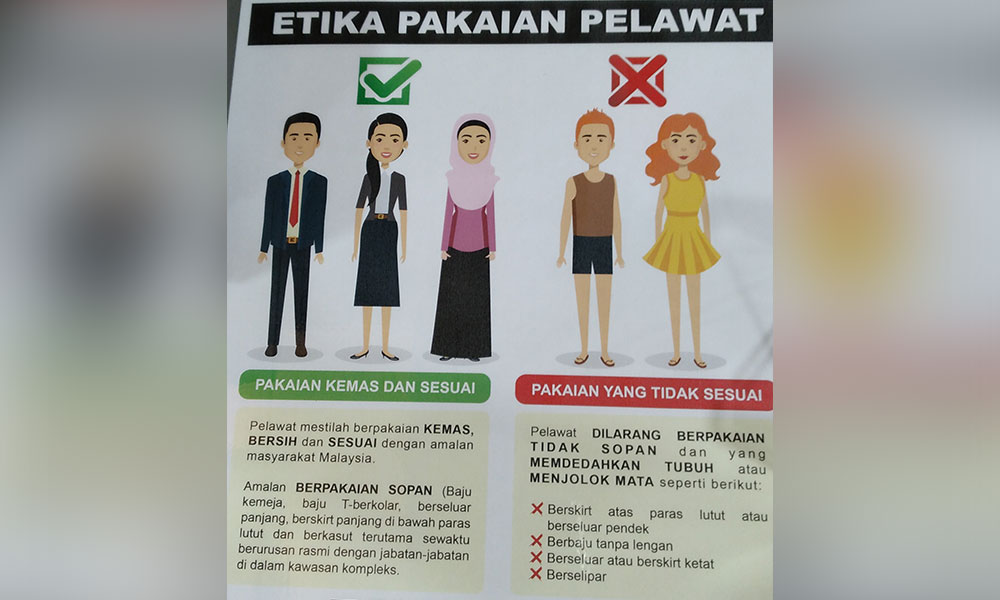
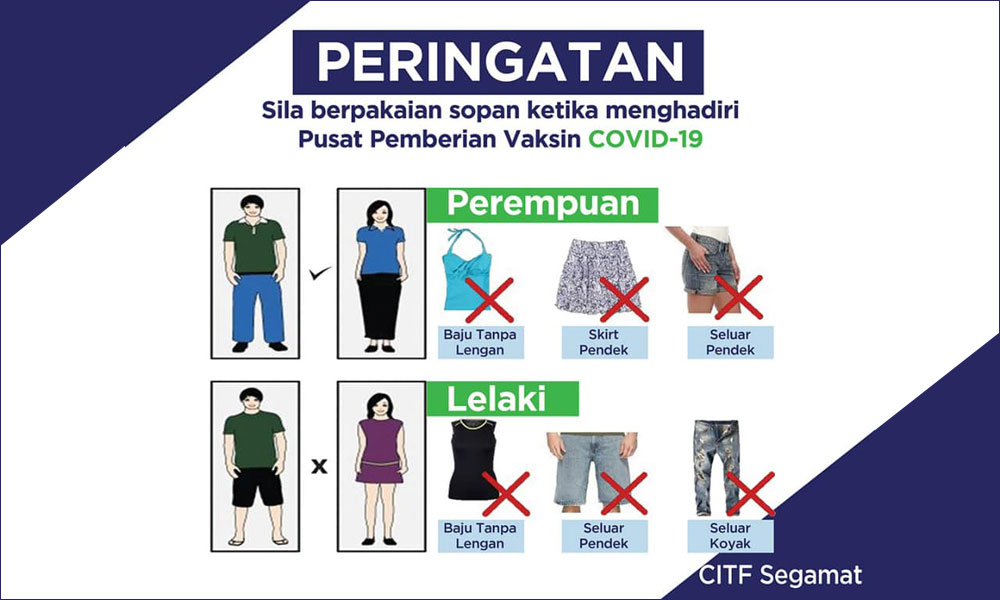
Many government offices, public spaces, and institutions, including courtrooms in Malaysia, impose dress codes to varying degrees.
Previously, there were reports of individuals being turned away or provided with alternative outfits, usually jackets or skirts, to cover exposed body parts.
Other attire that typically goes against the dress code includes round neck T-shirts, jeans, slippers, and open-toed sandals.


Report this comment
Are you sure you want to delete this comment?
This action cannot be undone.