


In blurry telling of journalist’s sexual harassment, tough question asked
Dressed in a black dress, her long black hair floating about her, Chen is at first seen swimming, her body gliding skillfully in clear water.
But as her narration progresses in the 23-minute film, which premiered at a private screening event in Kuala Lumpur yesterday, the filmmaker as the swimmer starts to struggle underwater.
Shot underwater from a lower perspective, we see her hands flailing, stirring up bubbles, her hair covering her face, her skirt floating upwards, askew, the vivid image of her seamlessly floating in water is replaced by choppy scenes of alarm - is she drowning?
What exactly is going on here?
This might be the question viewers continue to ask throughout the film, which centres on the filmmaker's experience with...
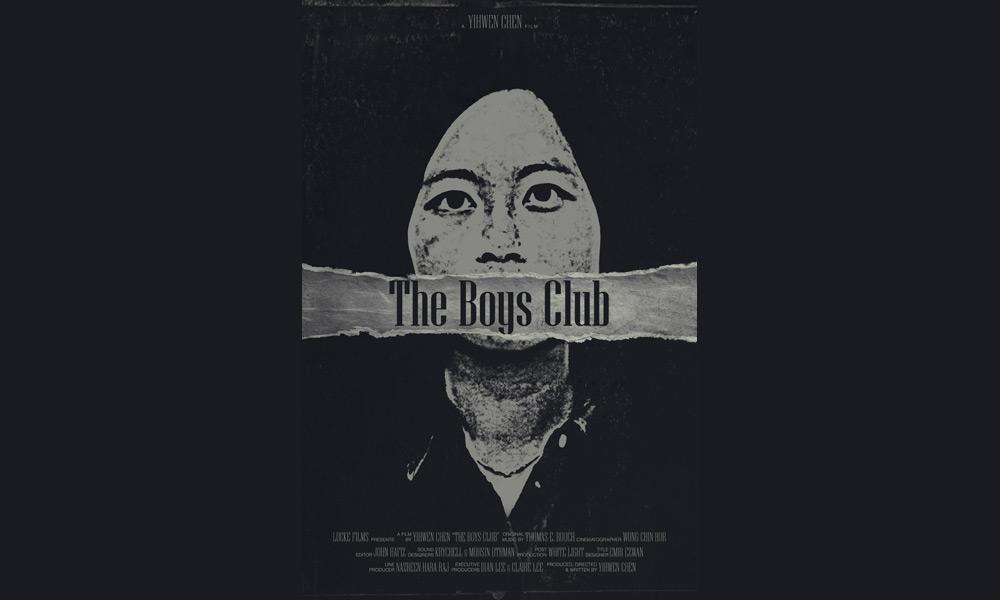
REVIEW | An enduring image of Yihwen Chen's award-winning documentary The Boys Club is an image of the filmmaker underwater.
Dressed in a black dress, her long black hair floating about her, Chen is at first seen swimming, her body gliding skillfully in clear water.
But as her narration progresses in the 23-minute film, which premiered at a private screening event in Kuala Lumpur yesterday, the filmmaker as the swimmer starts to struggle underwater.
Shot underwater from a lower perspective, we see her hands flailing, stirring up bubbles, her hair covering her face, her skirt floating upwards, askew, the vivid image of her seamlessly floating in water is replaced by choppy scenes of alarm - is she drowning?
What exactly is going on here?
This might be the question viewers continue to ask throughout the film, which centres on the filmmaker's experience with bullying and sexual harassment while working as a journalist and news documentary filmmaker.
Although the documentary follows a chronological narrative of what happened, the film is blurry on details of who, where, or at times even what form of harassment occurred.
This is because the film is not a tell-all expose on sexual harassment in the media industry, as its promotional material, or even the opening scene may suggest.
(The film opens with a song by rock band Shh… Diam! in which male voices disgustingly justify lewd behaviour and harassment.)
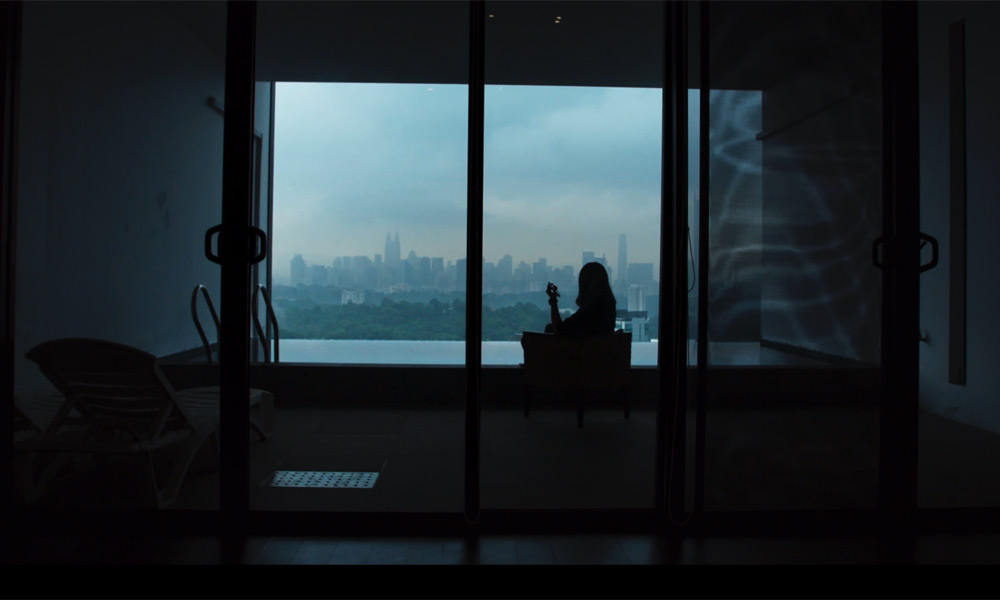
Instead, the film is a personal reflection on the filmmaker’s plunge into depression following the harassment, and the reaction of those around her, including her superiors.
While details of the case remain vague throughout the film, front and centre is her growing discomfort as the harassment she faces from someone she was filming for another documentary becomes more heinous and persistent.
Details of the case
This is what we know:
The film is about sexual harassment in the media industry, but it is a personal story.
It is about how the filmmaker endured harassment from the subject of her film but was not supported by her superiors at a large media organisation, ending up with her alleged ouster from the said company.
The details of the harassment are mentioned broadly - the harasser touched her inappropriately when he covered her eyes from behind when she was working on the film.
She was alone with the subjects of the film when this happened, and was stunned into silence while holding the camera. His colleagues, she said, saw this happen but did not do anything.
Once, when filming overseas, the harasser entered her room, sat on her bed, and started making conversation of a sexual nature.
She told her production team about it and they helped protect her from having to be alone with him again, but filming continued and the project carried on. Making a fuss would put the project at risk.
Later, the harasser (and others in his team?) demanded a cut of profits from the film and pressured the filmmaker's employers to remove parts of the film they consented to earlier and even, strangely, objected to being in a film directed by a woman.
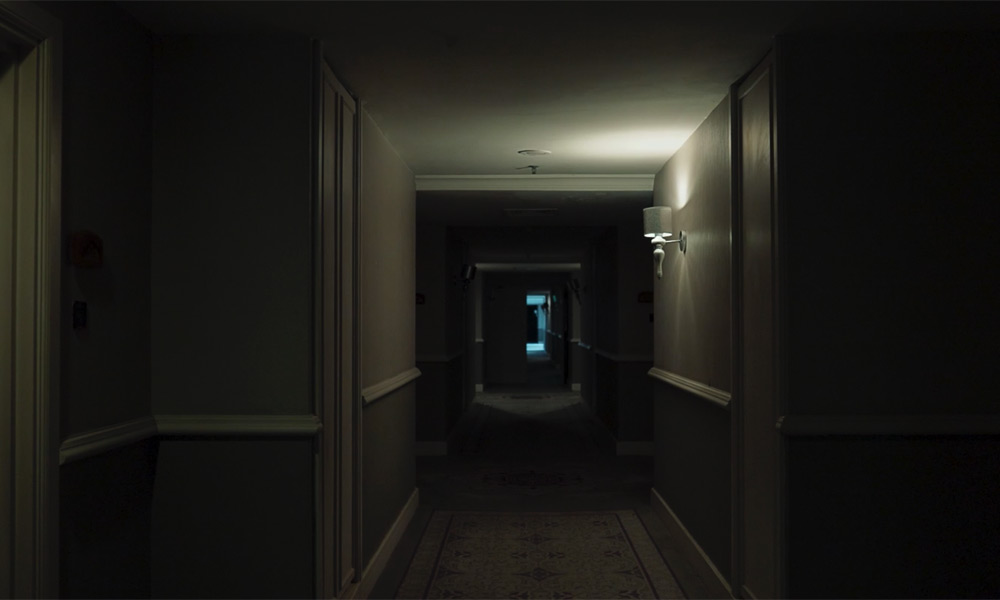
But we never know who the harasser is, or even, to some extent, if there were multiple perpetrators.
We are not told who the filmmaker's employers are, or even what the film she was working on was actually about.
Filling in the blanks with own experiences
For the most part, we just have to fill in the blanks.
And perhaps that is the point.
Those who have worked in the media industry - or indeed in any largely patriarchal industry - may at various points of the film fill in the blanks with their own experience of swimming upstream against harassment.
In the forum which followed the screening, journalist Tehmina Kaoosji said her heart started pounding hard when the filmmaker narrated what happened in the hotel room.
She said this was because the same thing happened to her as a young journalist, but instead of a source, it involved her then editor in chief.
Having joined the industry as a teenager, and speaking now a couple of decades later, she said this happens so routinely that young journalists are “groomed” to feel such incidents are normal.
That is the point - that it doesn’t matter who the harasser was, or where Chen worked, because this is also the story of so many journalists out there, at different organisations, harassed by their sources, colleagues, and superiors.
And yet, the silence on the details of the case feels again just like the “brushing of things under the carpet” which Kaoosji lamented was also normal when it comes to sexual harassment in the media industry.
We are told that to be a bystander doing nothing is to be an enabler. But is hiding the perpetrator’s identity, and those who enabled the behaviour, also not the same?
Silence and disquiet
In her director’s note, Chen said she decided to produce a documentary about this episode in her life after her former employer intervened in a media interview she gave.
She said it made her realise that her boss, who apparently threw her under the bus when she was harassed, was still in a position to control what she said.
“Does he think he can just go around speaking for me and other women?” she asked.
The Boys Club was a defiant response to that. That she would not be silenced.
And yet, obscuring the identity of perpetrators and those who enabled them in this film is deafening silence. By keeping their identity a secret, are we not complicit?
This is just one uncomfortable question viewers must ask of themselves, and of the filmmaker, as the camera glides from one quiet cityscape to another - none of these are ‘scenes of the crime’ as it were.
In a way, it is a sort of disquiet.
Against the silence of the city during the pandemic, and the sparse soundtrack of the film (we hear some hushed music, tapping of the keyboard, buzzing of a phone) is the screeching anguish of the filmmaker as her film and her mental health come more and more “under hostage” of her harasser.
To note, I use the term ‘scenes of the crime’ knowing full well that none of the incidents of harassment endured by the filmmaker are crimes under Malaysian law.
It has been 20 years since the Sexual Harassment Bill was first drafted by women's rights NGOs in cooperation with the Women’s Ministry. The process of getting that legislated, and legislated in a form that is meaningful, continues.
Until that happens, there is no legal definition of what is sexual harassment, and similarly, there is no way to bring harassers to book.

So if the filmmaker was to produce a tell-all expose naming and shaming her former employer and managers, as well as the harasser (or harassers), what will it achieve?
Will it just plunge her into further strife, exposing her to threats of defamation or libel, or even further harassment from the harasser? Would it further impede her career, more than it already has?
Indeed, these are questions that survivors face in this grey area of sexual harassment. In many cases, survivors are damned if they do and damned if they don’t.
Tool for advocacy
Outside the fact that they are ‘non-crimes’, I am confident there will be no shortage of viewers of The Boys Club or readers of this review who may even question if what she endured was even sexual harassment.
And then, there is the question of what is sexual harassment and what is just plain old harassment. Badgering her for a cut of the profit, for example, which is it?
The filmmaker, as well as executive producers Claire and Dian Lee, say the film needed to happen so that the discourse continues.
They hope the film can be screened around Malaysia as part of an education campaign on the matter, and as a way to trigger public discourse on the issue.
The argument is that the more people talk about sexual harassment, the more we realise it is unacceptable, that it is unacceptable for it to even exist, and for perpetrators to be able to get away with it by retreating into the blur and the gray of technicalities.
Still, those watching this film expecting a tell-all expose on sexual harassment in the media industry will leave feeling both confused and disappointed.
Indeed some journalists who have experienced similar or worse sexual harassment (or even assault) in the industry may even walk away asking, “Huh, was that it?”
Indeed, this is the sad state of affairs.
It is against this backdrop that this film sits; and as a tool of advocacy, coupled with guided panel discussions, this film triumphs.
The Boys Club has been selected to screen at the San Francisco Documentary Festival in the United States from June 1 to 12, and the Doc Edge Festival in New Zealand from June 1 to July 10. It will also screen at Universiti Malaya in cooperation with the Women’s Aid Organisation on June 17.
The film won the documentary award at the Busan International Short Film Festival.





Are you sure you want to delete this comment?
This action cannot be undone.