



Plastic waste in sea a danger to whales spotted off Langkawi
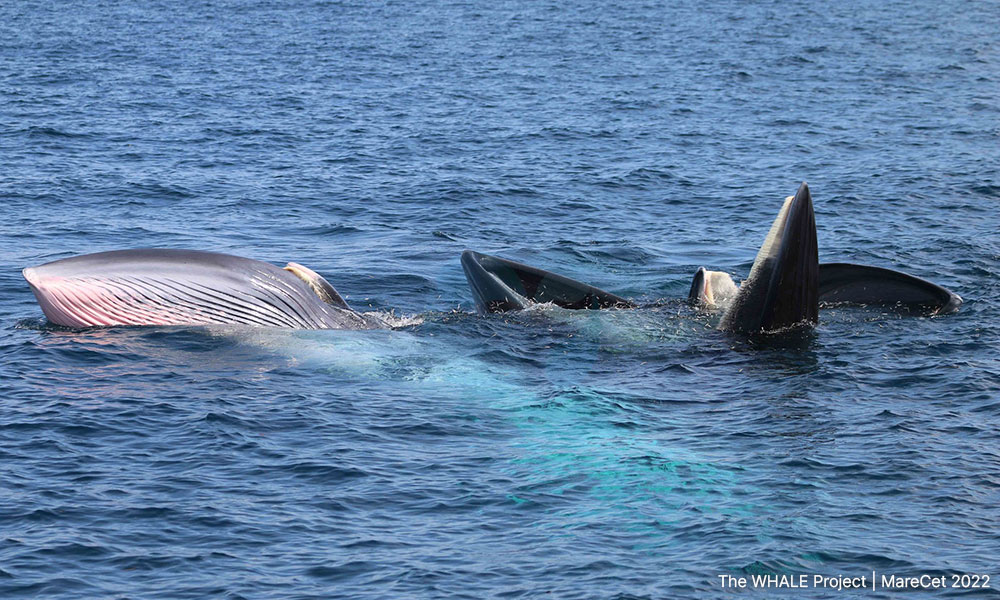
The abundance of trash in the waters where whales were spotted off the shores of Langkawi is a threat to these mammals, Marine Mammal Research and Conservation (Marecet) warned.
Marecet is currently studying the Bryde’s whales, which are in Kedah waters to feed on the anchovies there.
“Given how much single-use plastics and...
The abundance of trash in the waters where whales were spotted off the shores of Langkawi is a threat to these mammals, Marine Mammal Research and Conservation (Marecet) warned.
Marecet is currently studying the Bryde’s whales, which are in Kedah waters to feed on the anchovies there.
“Given how much single-use plastics and other trash items we’ve seen floating in the water column in these offshore waters this past week, marine debris ingestion is a threat to these animals,” Marecet founder Louisa Ponnampalam said.
She said the whales are at risk of vessel strikes and could get entangled in fishing gear, ghost nets (fishing nets abandoned in the ocean) and ropes.
“We saw so much of this in the past week,” she said when contacted.
Further, the warming of waters due to climate change may reduce the abundance of anchovies which attract the whales to the Kedah waters, she said.
However, there has not been any data on the impact of climate change on the anchovies species there, she said.
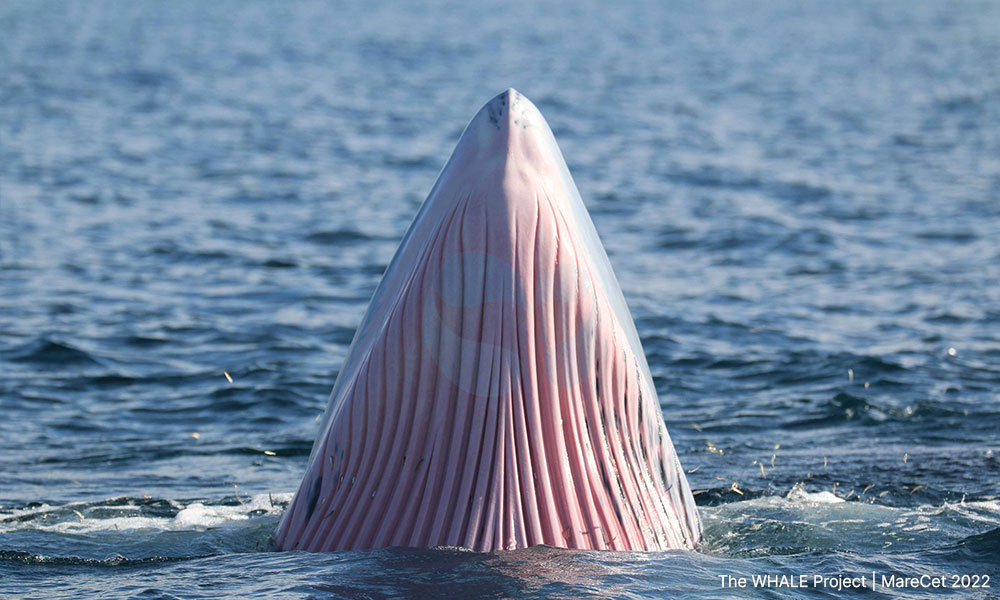
Earlier this week, a TikTok video taken by Marecet’s boatman of the whale pod went viral on social media.
The pod was spotted 70km offshore, Marecet said.
Many Malaysians were surprised that the country’s waters are host to these majestic mammals, however, Marecet has been studying them since 2019.
Marecet’s research, among others, hopes to investigate whether their occurrence in the offshore waters is seasonal or year-round.
“We intend to use the findings of our research to provide recommendations to the authorities for the management and conservation of these whales and their habitats.
“We also hope to be able to eventually use the data to nominate the offshore waters of Kedah to be internationally designated and recognised as an IUCN (International Union for Conservation of Nature) Important Marine Mammal Area,” she said.
According to the Langkawi Geopark website, there are at least four confirmed marine mammal species in Langkawi, namely Indo-Pacific finless porpoises, Indo-Pacific humpback dolphins, Indo-Pacific bottlenose dolphins and Bryde’s whales.
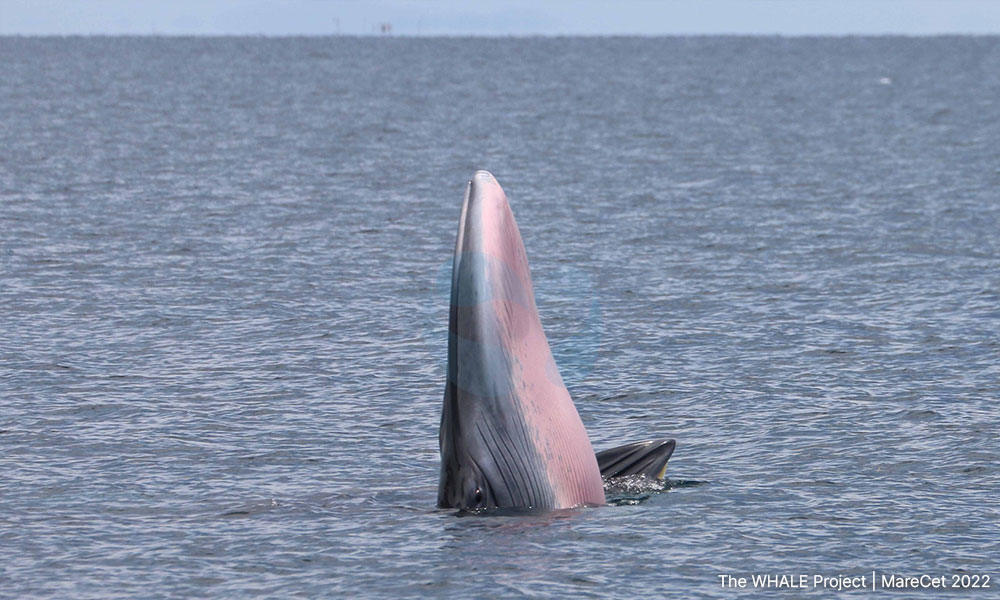
Bryde’s whales have been observed breaching above the water surface, with their blows visible from a distance, it said.



Report this comment
Are you sure you want to delete this comment?
This action cannot be undone.