



Suaram concerned over new Suhakam chair, Umno-linked commissioners
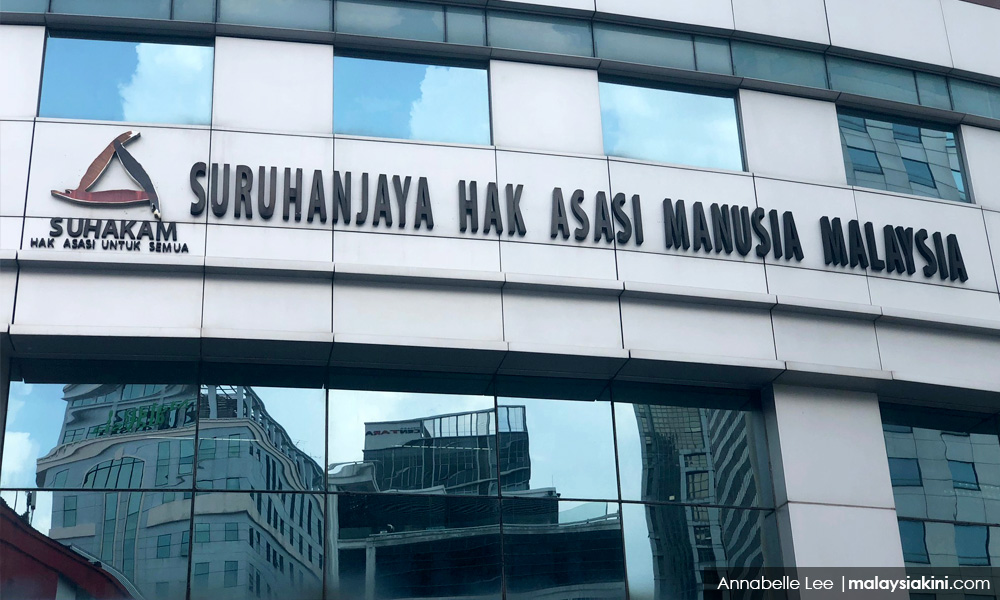
Human rights group Suaram has expressed concern and disappointment over the recent appointment of the Suhakam chairperson and two Umno-linked commissioners.
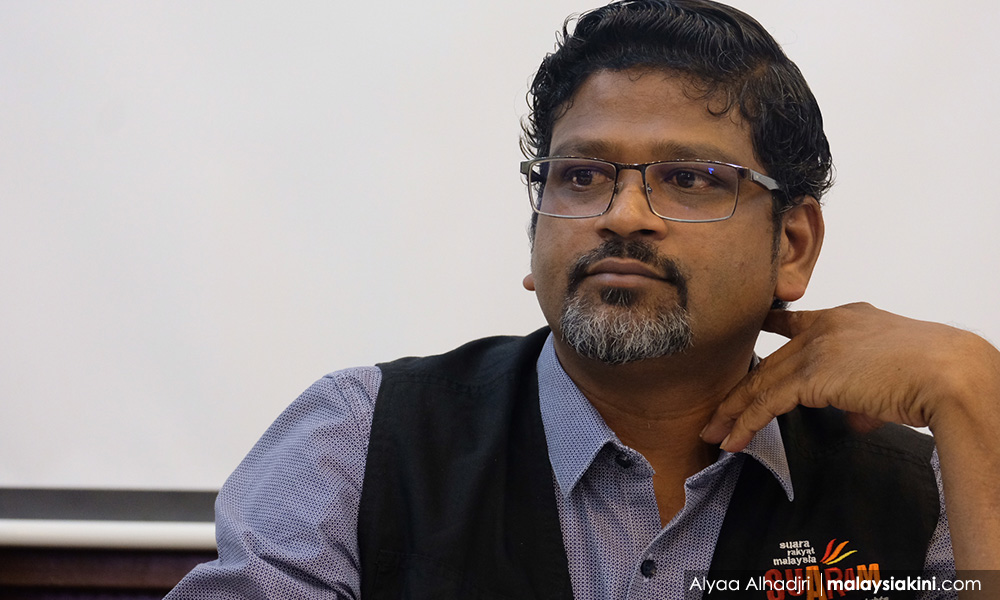
Suaram executive director Sevan Doraisamy said the decision does not reflect the independence and values the human rights commission is supposed to represent.
"Suhakam’s ability to perform its function is...
Human rights group Suaram has expressed concern and disappointment over the recent appointment of the Suhakam chairperson and two Umno-linked commissioners.
Suaram executive director Sevan Doraisamy said the decision does not reflect the independence and values the human rights commission is supposed to represent.
"Suhakam’s ability to perform its function is in question with the new chairperson and commissioners.
"We are of the view that these appointments made by Prime Minister Ismail Sabri Yaakob do not reflect the independence and core values of Suhakam as the national human rights institution (NHRI)," he said in a statement today.
Sevan added that the controversial appointments of the commissioners were all the more disappointing, given the fact that Malaysia recently secured a seat in the United Nation’s Human Rights Council pledging to the international body that it will uphold human rights issues.
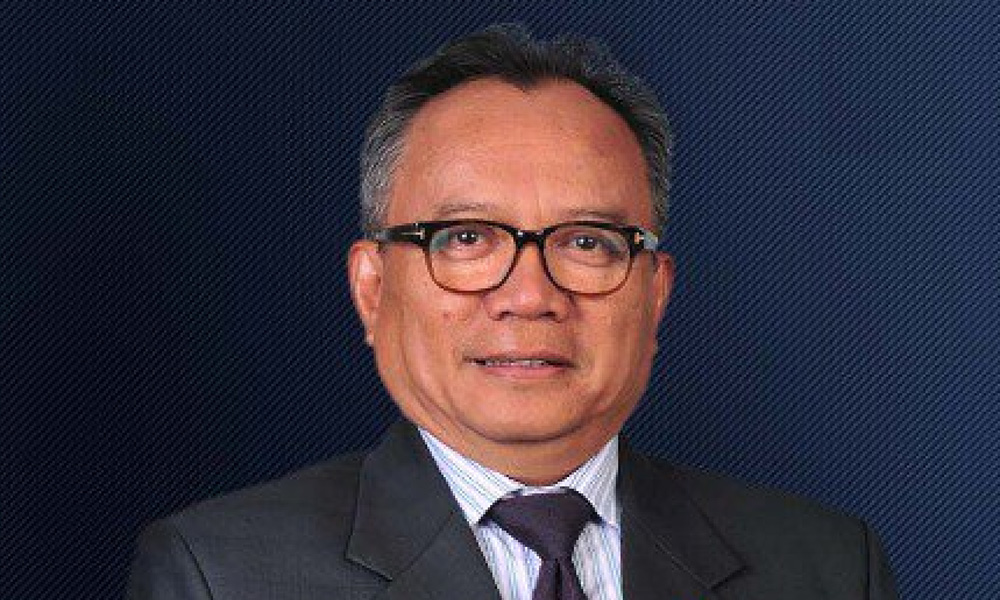
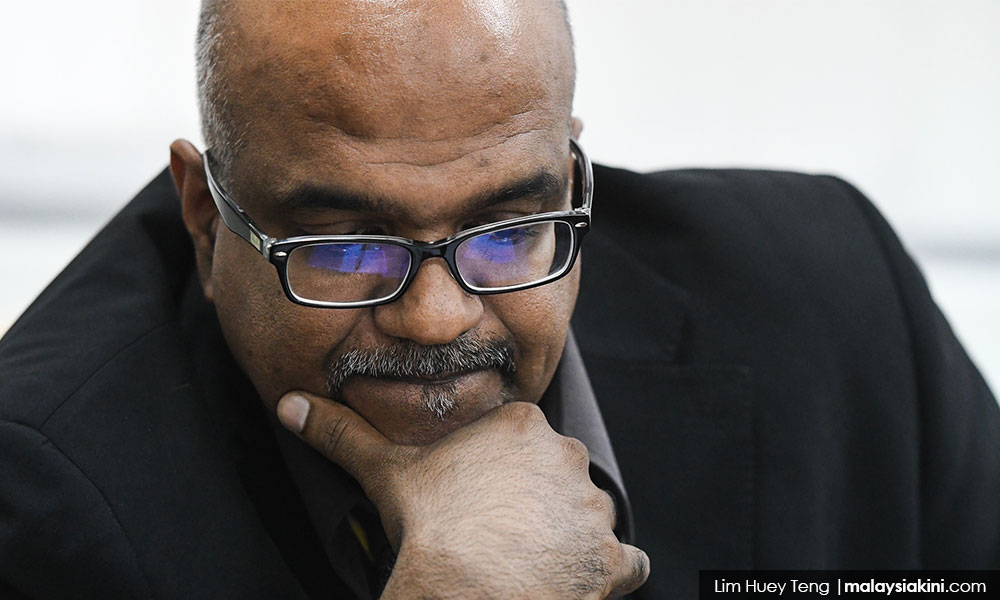
He questioned the justification for appointing Suhakam chairperson Rahmat Mohamad (above), who co-authored a paper that convinced the Conference of Rulers to reject the Rome Statute.
The Rome Statute of the International Criminal Court is the treaty that established the International Criminal Court (ICC).
"Suaram has strong doubts that Rahmat could carry out his duties to fulfil Suhakam’s mandate. He was one of the four academics who co-authored a paper which convinced the Conference of Rules in rejecting the Rome Statute.
"The paper was instrumental in forcing the Pakatan Harapan government to pull out from ratifying the Rome Statute which undermines Malaysia’s commitment to the global peacekeeping mission.
"The academic views of Rahmat on the Rome Statute might adversely affect Suhakam's mandate because as it was stated in the Suhakam Act that one of its main functions is to make recommendations to the government with regard to the subscription or accession of treaties and other international human rights instruments," Sevan said.
Other members
Seven other members of the commission are UKM law lecturer Noor Aziah Mohd Awal (reappointed), former Islamic Development Department (Jakim) head Mohamad Nordin Ibrahim, Dr Chew Chee Ming, former Sabah attorney-general Mariaty Robert, lawyer Hasnal Rezua Merican Habib Merican, lawyer Nazira Abdul Rahim, and former Bar Council president K Ragunath.
Nazira is the women’s chief of the Kulim-Bandar Baharu Umno division and Bandar Baharu municipal councillor, while Hasnal is the Selayang Umno deputy division chief, which also rankled with Suaram.
"Suaram maintains that both the chairperson and commissioners should be politically neutral to ensure Suhakam remains an institution independent from political influence and therefore is able to discharge its duties without fear and favour.
"By appointing two commissioners with substantial political influence, the worry is that the power given to Suhakam to inquire into human rights complaints and assist the government in human rights legislation would be severely compromised.
"For instance, if the Umno government is allegedly involved in human rights violations, questions would be rightly asked on Suhakam’s ability to hold an inquiry independently and whether the findings would be credible in the eye of the public and civil society," Sevan added.
Lack of transparency
He also called into question the appointment of a former Jakim head.
"Jakim had previously demanded an answer from Suhakam regarding the recognition of a third gender research project.
“Suaram is concerned whether appointing a former Jakim director-general (Nordin) would again hamper Suhakam’s ability in conducting research that may prove to be sensitive and controversial to the executive branch, but completely align with Suhakam’s core objective in defending and promoting human rights,” Sevan said.
He said that the root of the controversial appointments stems from the lack of transparency and parliamentary oversight on the entire selection process of Suhakam commissioners.
"The public and civil society were left in the dark on the entire (selection) process. According to Suhakam Act 1999’s 11A(1)(c), a committee must first be formed to be consulted with regard to the appointment of a commissioner and three members of the committee must come from civil society who have knowledge of or practical experience in human rights matters.
"However, civil society is mostly unaware of the formation and composition of the committee and what are the selection criteria and meritocratic basis in appointing these new batch of commissioners.
"Therefore, it is only until the appointment process has been announced publicly where the identity of the chairperson and commissioners were finally revealed and the decision is presented as a fait accompli," he said.
He added that after decades of effort from past and present Suhakam staff, it was finally recognised internationally to be a credible NHRI but that the recent appointments threaten to roll back the recent progress made in terms of making the institution more independent from the executive.
"It also turns out that the idea of ‘Keluarga Malaysia’ which consists of inclusivity and common ground that the prime minister has espoused so much is not applicable in the field of human rights in Malaysia," Sevan said.



Are you sure you want to delete this comment?
This action cannot be undone.