



Azalina: Cabinet in no position to block anti-hopping bill
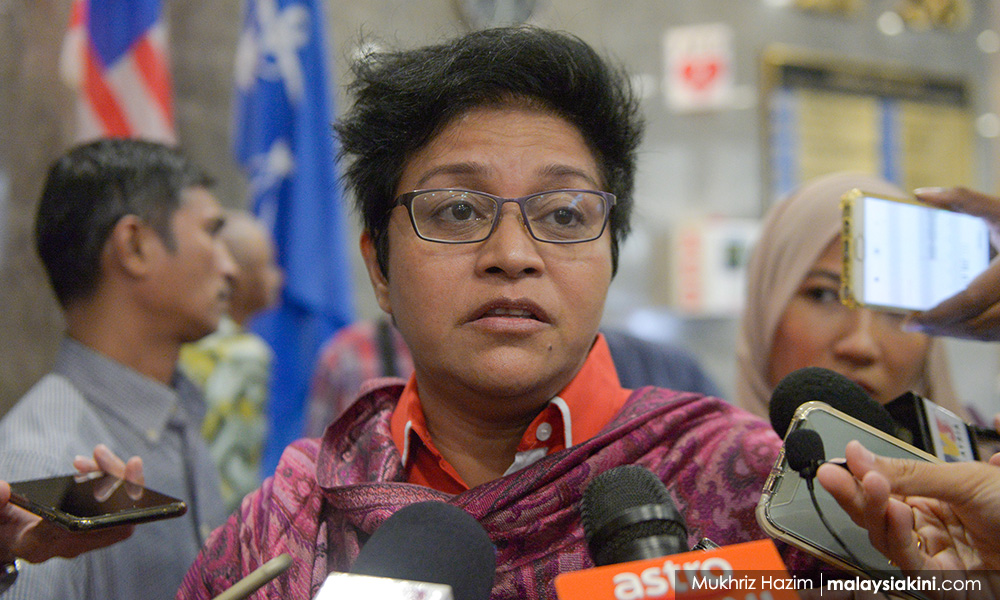
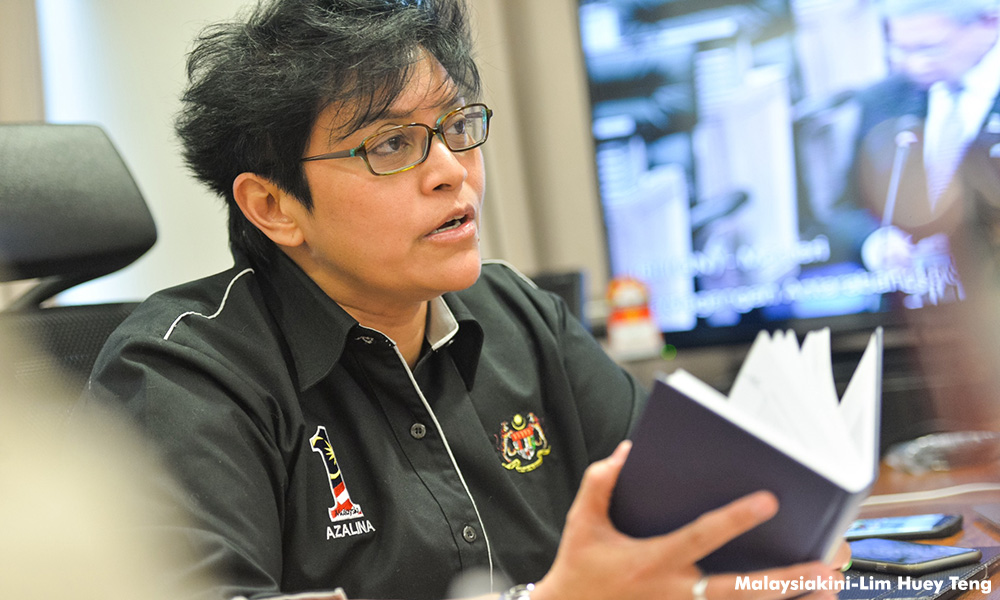
Cabinet was in no position to block the bill aimed at restricting MPs from switching parties, said Pengerang MP Azalina Said Othman.
Speaking to Malaysiakini, Azalina said since the bill was already going through the legislative process and under the purview of a select committee, it was out of the cabinet's hands.
"The cabinet is...
Cabinet was in no position to block the bill aimed at restricting MPs from switching parties, said Pengerang MP Azalina Said Othman.
Speaking to Malaysiakini, Azalina said since the bill was already going through the legislative process and under the purview of a select committee, it was out of the cabinet's hands.
"The cabinet is in no position to block it, notwithstanding the resistance, if any," said Azalina, who is a member of the select committee and former law minister.
Cabinet's role, she explained, was limited to having the law minister chair the select committee and pose questions to the select committee where necessary.
"The cabinet is not in a position to direct or instruct the select committee at any point," she explained.
July 18 tabling
Putrajaya called for a special meeting of the Dewan Rakyat on April 11 to table the bill. However, the cabinet had cold feet on April 6 and removed key elements from the bill.
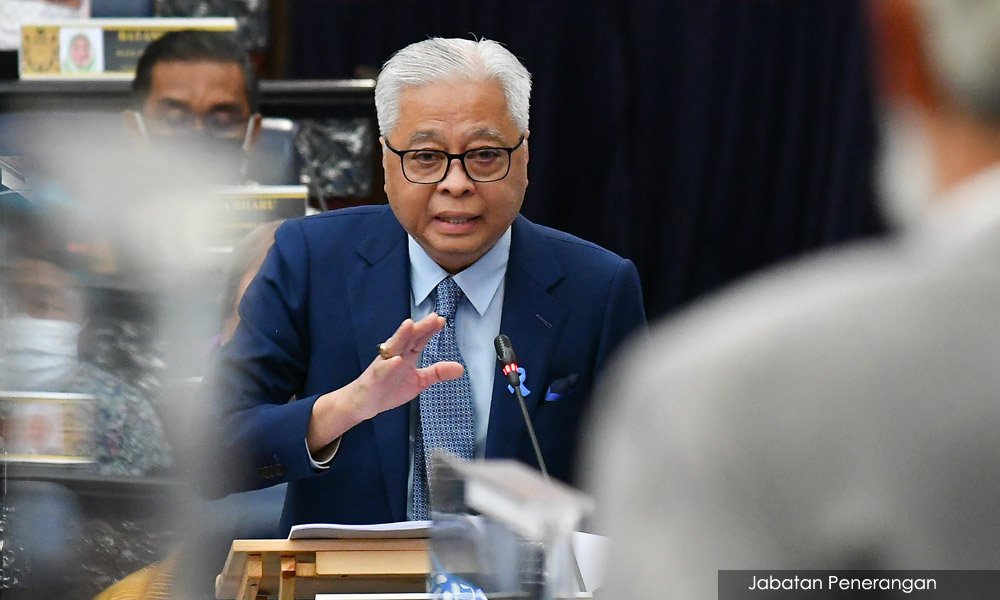
Following eleventh-hour negotiations between Pakatan Harapan and Prime Minister Ismail Sabri Yaakob, the Dewan Rakyat resolved to form a select committee to review the bill.
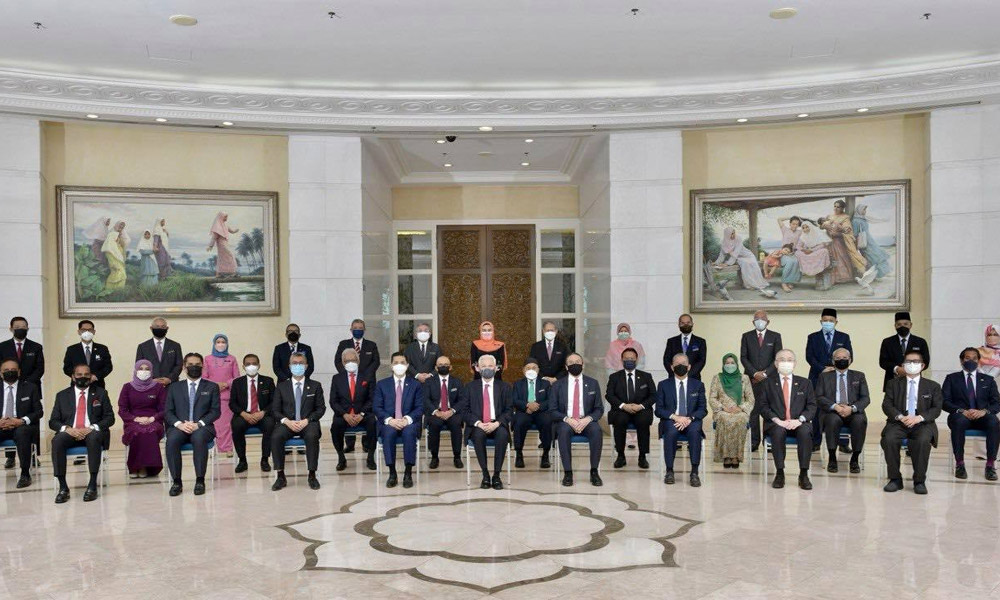
The bipartisan select committee conducted its final meeting yesterday and the bill is expected to be tabled at the Dewan Rakyat on July 18.
Azalina said she was informed that two days will be allocated for the Dewan Rakyat to debate the bill.
On July 18, the select committee's report - produced after many stakeholder meetings - is also expected to be tabled.
"The public can expect a bill that has been very thoroughly scrutinised and drafted to be tabled at the house," she said.
‘The way forward’
Azalina added that Ismail Sabri should be commended for initiating the select committee which had allowed a rare display of bipartisan lawmaking.
Describing this as "the way forward", Azalina said having a small group of MPs scrutinising the bills provided the necessary conditions for a conducive and constructive discussion as all parties involved will have a sense of ownership in the drafting process.
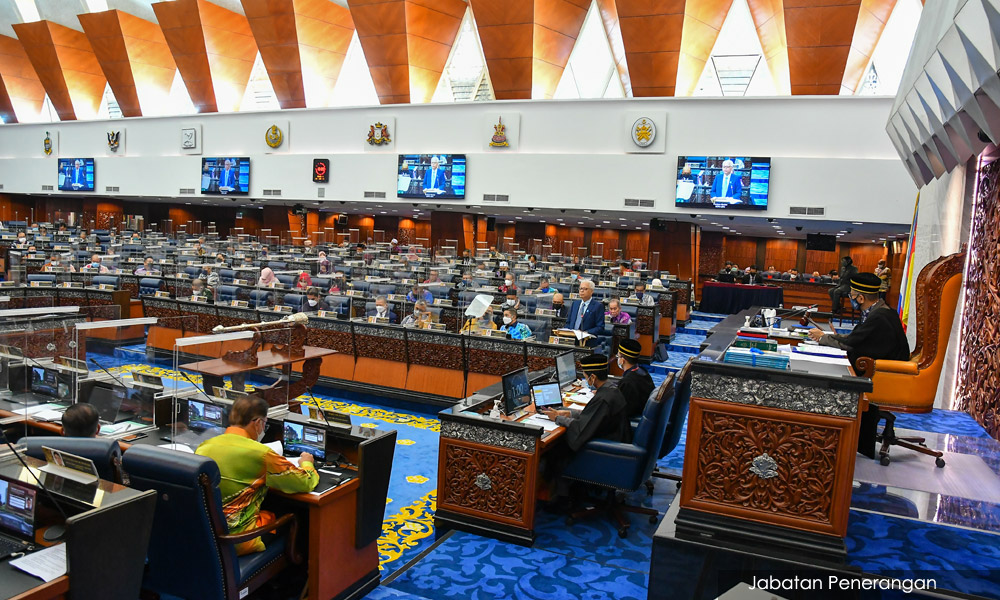
"Invariably, the dialogues and input will be more constructive," she said, adding that bipartisan lawmaking was more effective in bringing changes and reforms.
Azalina also hoped that there will eventually be a shift in lawmaking from the executive to Parliament which can start with the setting up of a parliamentary drafting office.
This, she argued, should provide MPs access to law drafting experts from the Attorney-General's Chambers and draft private members’ bills which is an essential feature of parliamentary democracy.
"This is low-hanging fruit. We should certainly advocate and welcome this evolution where the lawmaking agenda is driven by the Parliament instead of the executive," she said.




Are you sure you want to delete this comment?
This action cannot be undone.