



Amid RM10.46b loss in palm oil sector, govt fears letting refugees work
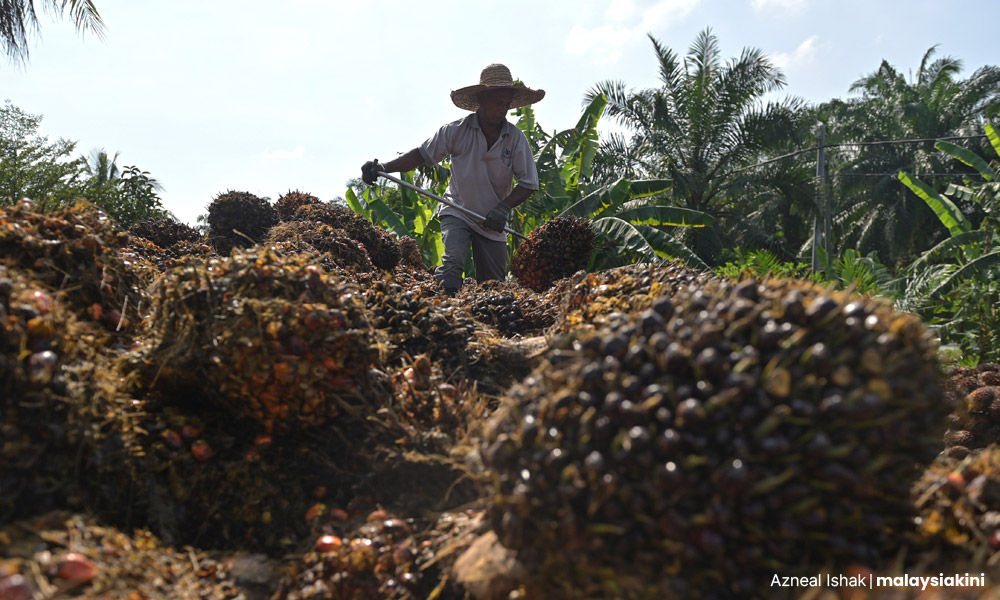
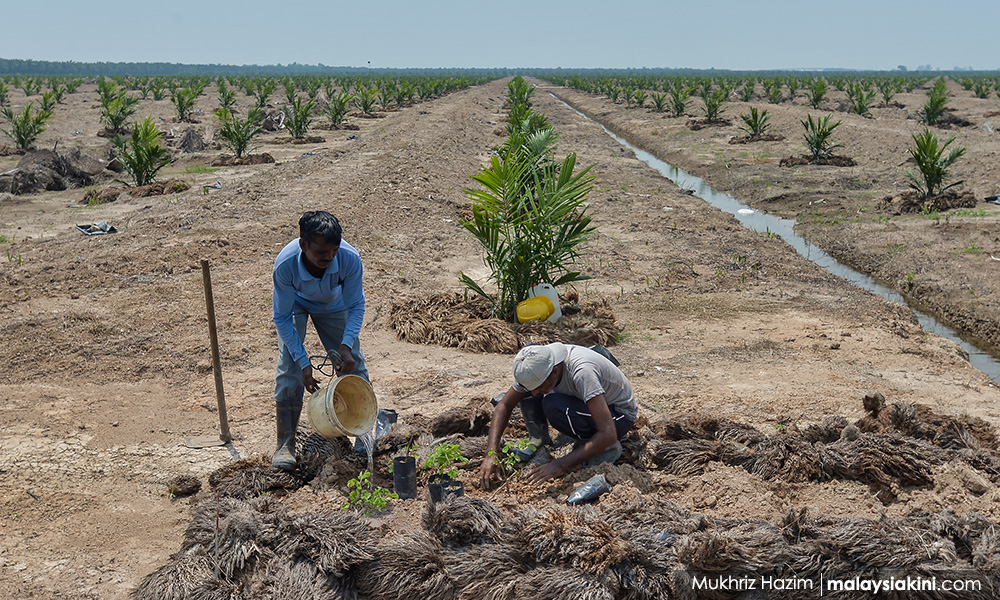
PARLIAMENT | The government has recorded an estimated shortage of 54,190 plantation workers in the first five months of this year, amid continued resistance to allow hiring among refugees looking to make a living here.
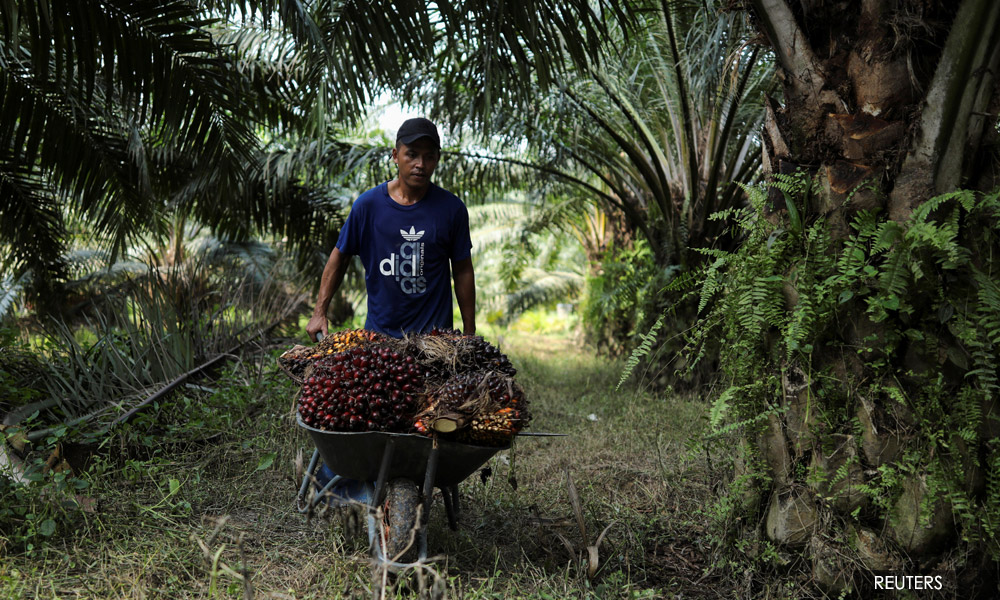
Migrants make up approximately 75 percent of the plantation workforce, from which nearly half of the estimated shortage comprises harvesters and Fresh Fruit Bunch (FFB) pickers...
PARLIAMENT | The government has recorded an estimated shortage of 54,190 plantation workers in the first five months of this year, amid continued resistance to allow hiring among refugees looking to make a living here.
Migrants make up approximately 75 percent of the plantation workforce, from which nearly half of the estimated shortage comprises harvesters and Fresh Fruit Bunch (FFB) pickers.
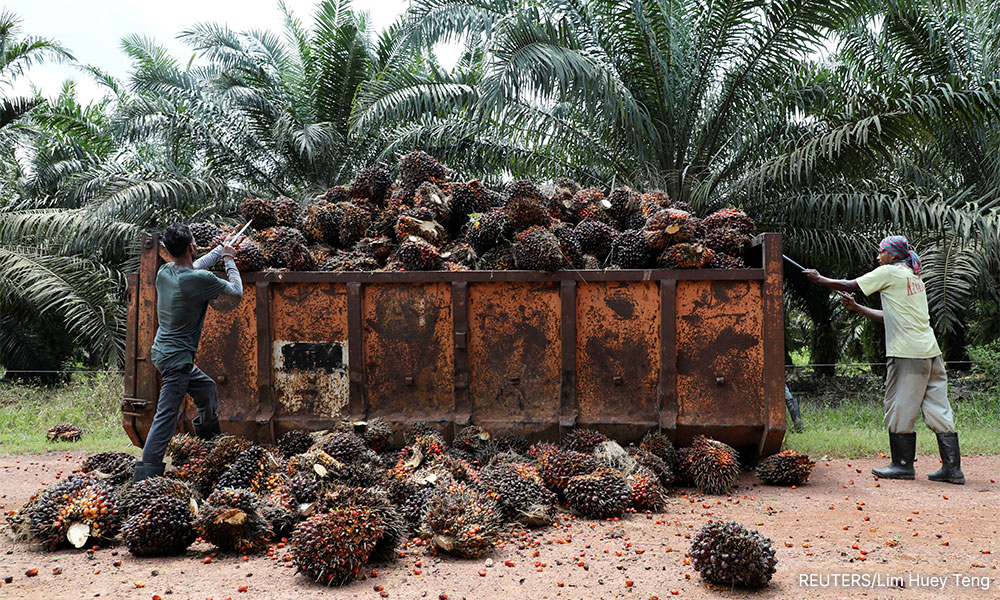
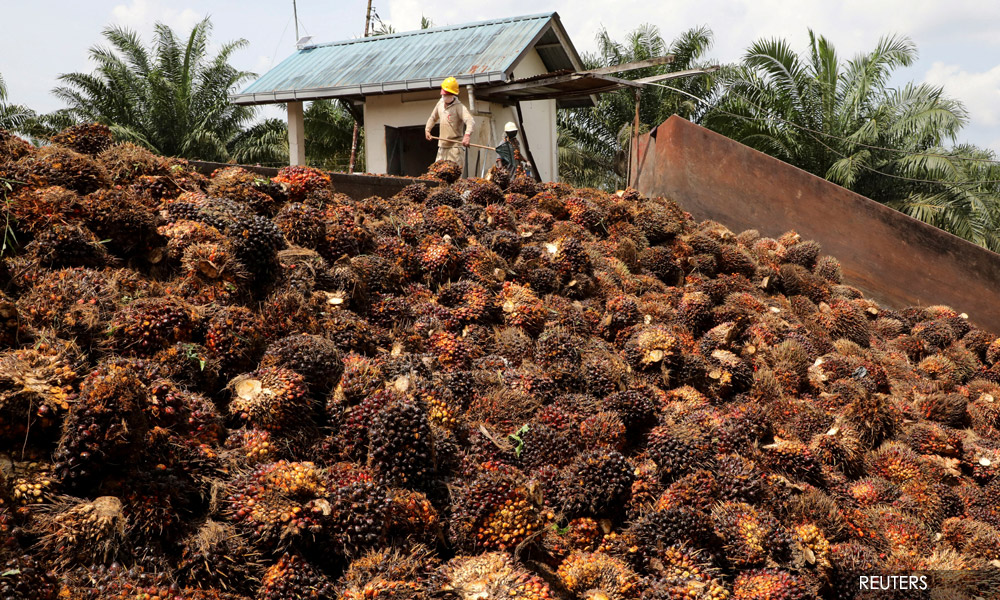
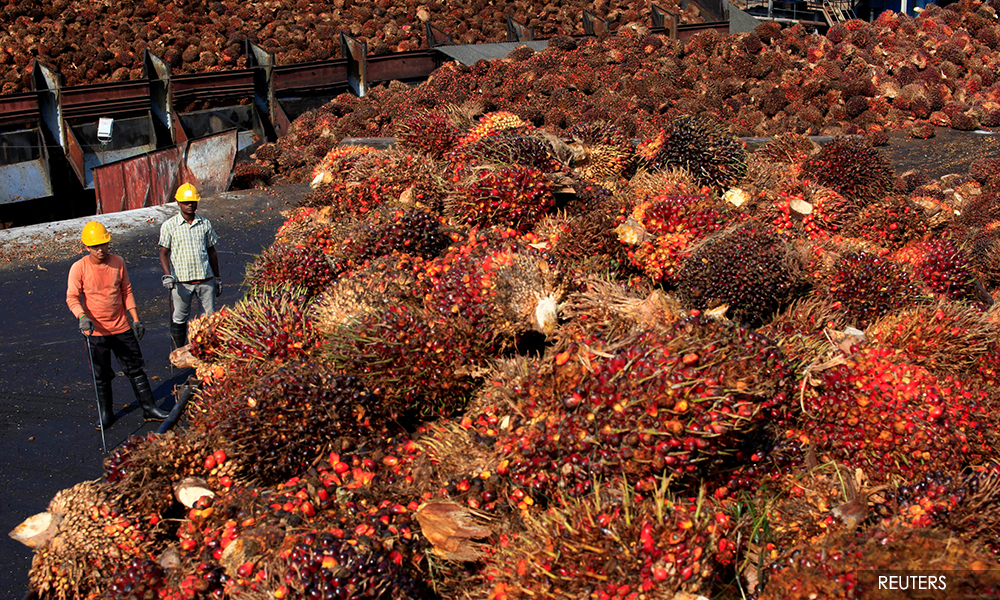
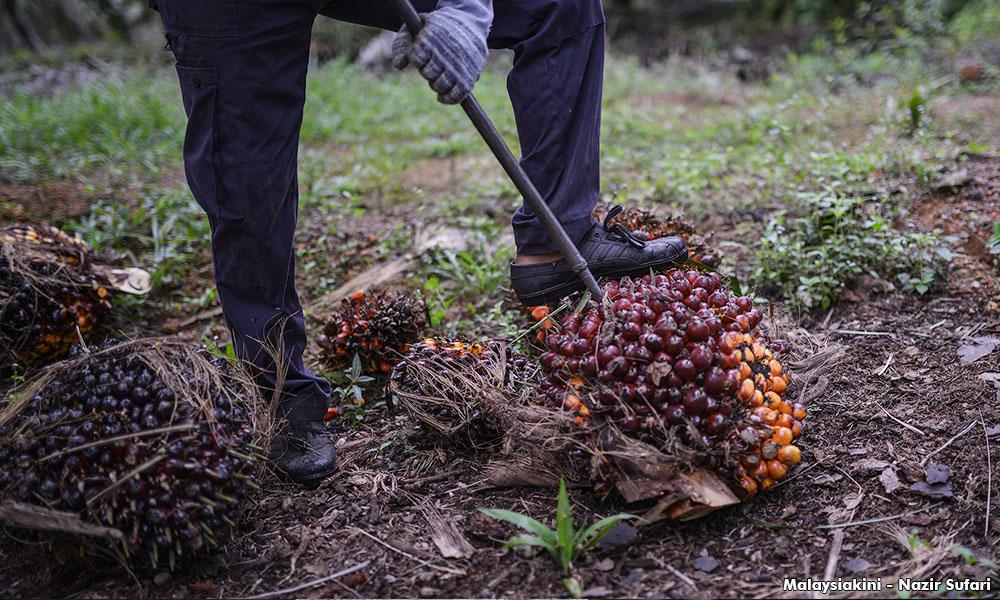
"Based on the shortage of 28,940 harvesters and fresh fruit bunch pickers, with estimated average productivity of two tonnes FFB (per person), the total estimated unharvested FFB daily amounted to 57,880 tonnes.
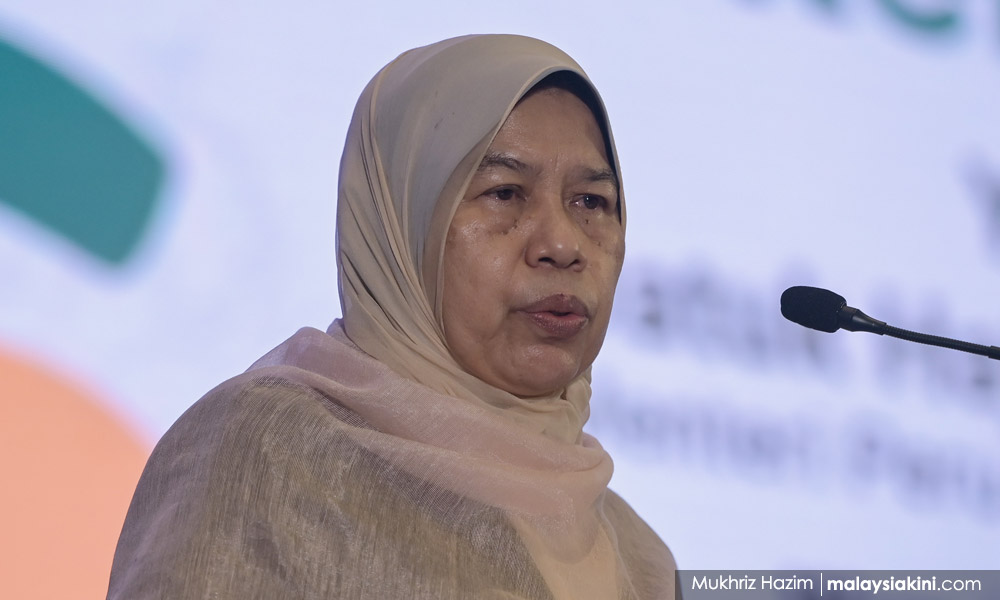
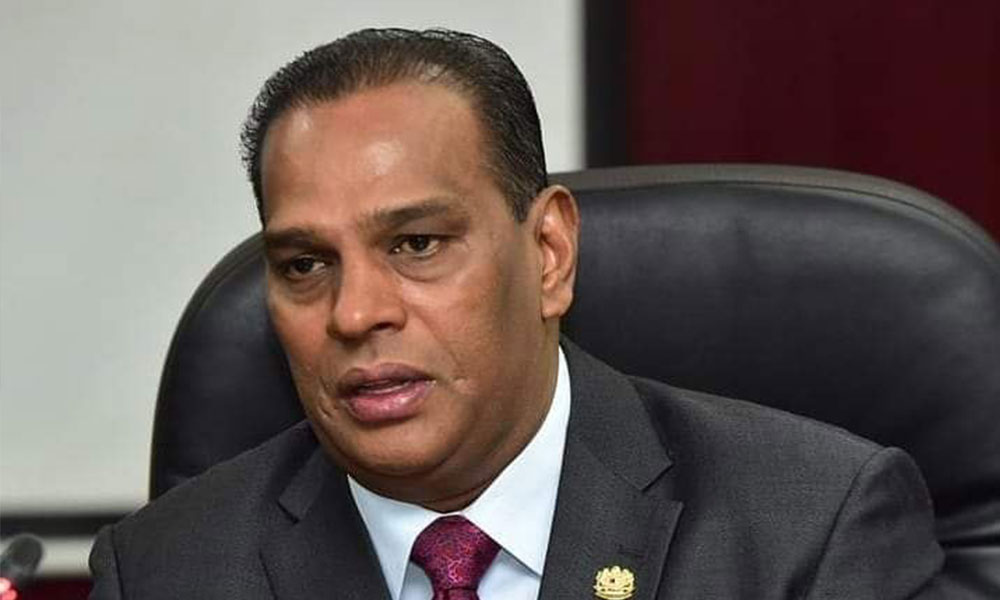
"Taking into account 26 working days per worker, the estimated unharvested FFB amounted to 1.5 million tonnes a month," said Plantation and Commodities Minister Zuraida Kamaruddin in a written response to Dr Azman Ibrahim (Harapan-Kuala Kedah).
"Based on these calculations, the estimated loss from unharvested FFB due to labour shortage in the first five months of this year is 7.52 million tonnes, with a value of RM10.46 billion.
"This takes into account the average FFB price from January to May this year, at RM1,390 per tonne metric," she said.
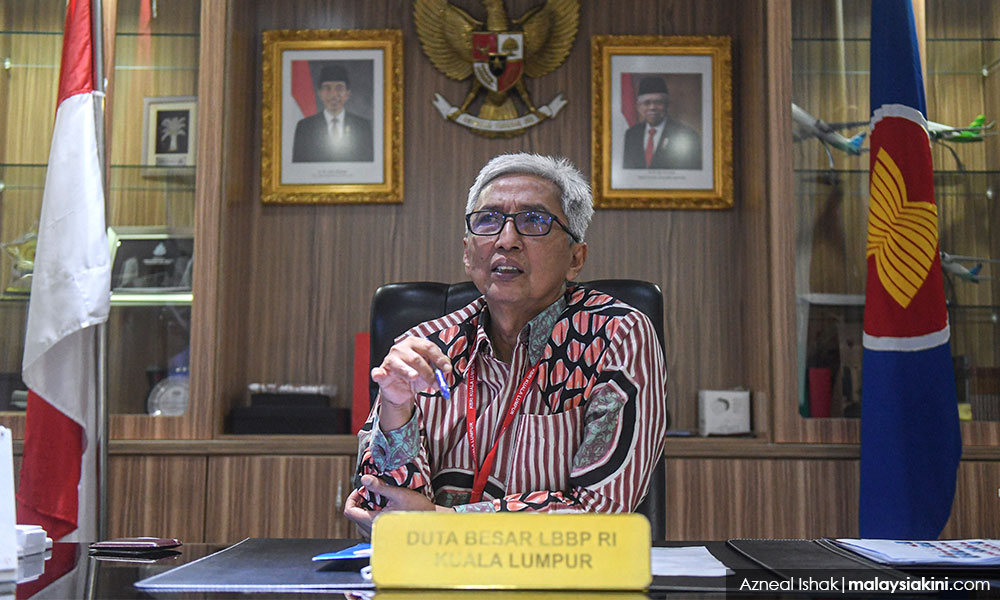
On a separate matter, Minister in the Prime Minister’s Department Abdul Latiff Ahmad said the government is taking a cautious approach on the issue of approvals for refugees to legally work in Malaysia and fill the demand for labour.
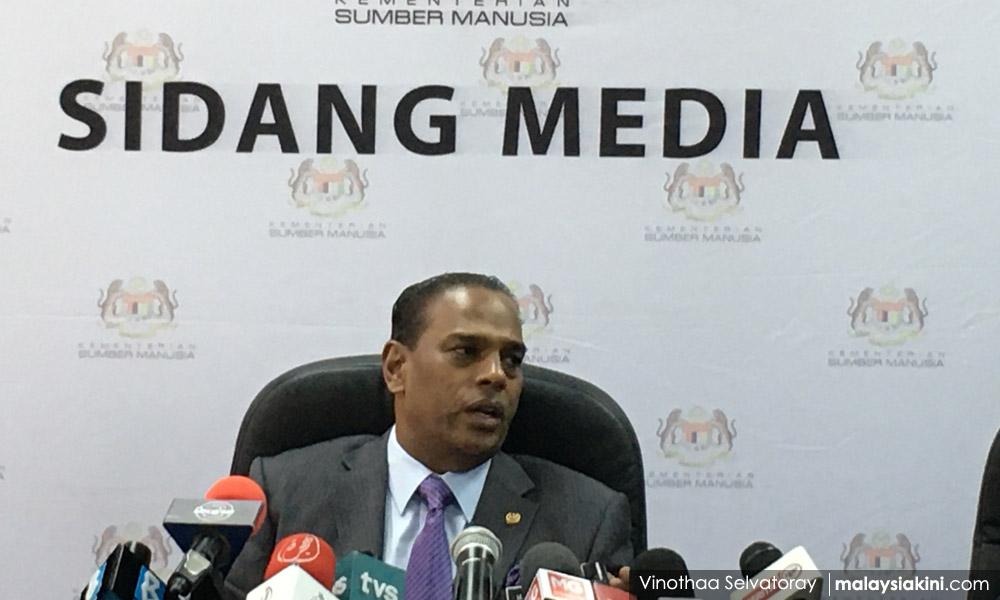
"It is important for the government to ensure that approvals given to refugees will not present a competition for local workers and become a pull factor for entry of more undocumented migrants seeking refugee status from the UNHCR to work here," said Latiff in a written response to Wong Chen (Harapan-Subang).
He said various legal matters under deliberation include the issuance of work permits, levy payment by employers, enforcement of employment contracts, approved sectors and other matters under the labour law.
"A policy decision on this matter will only be informed after the government has conducted a detailed study on its feasibility and impact on the locals.
"The government's current policy states that refugees are only allowed to work for self-sustainance," said Latiff.
Pilot project
In May, Ipoh Barat MP M Kulasegaran reportedly said a 2017 pilot project aimed at helping Rohingya refugees earn a living in the country had failed, allegedly due to the government's failure to help the community assimilate with the general population.
Online portal Free Malaysia Today quoted Kulasegaran, a former human resources minister during Pakatan Harapan's administration, as saying that under the project, Rohingya refugees were sent to the plantation and manufacturing sectors to acquire skills and income before being relocated to a third country.
He claimed that in some cases, too few Rohingya refugees were sent to work in one location, and this gave them little to no sense of security as the community was too small.



Are you sure you want to delete this comment?
This action cannot be undone.