


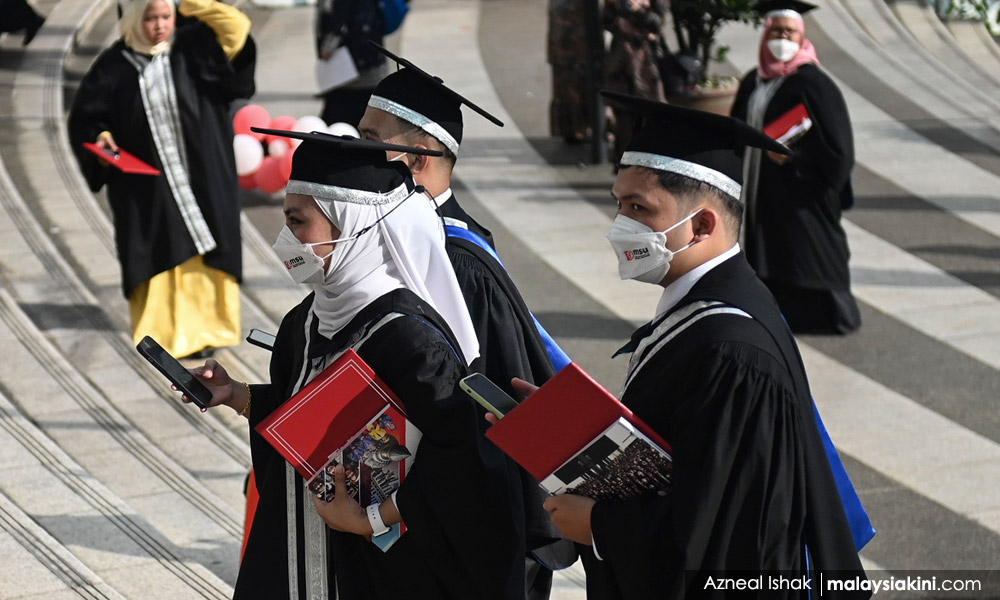

International Youth Day: Jobless youths on the rise post-pandemic
The pandemic was no cakewalk, especially for youths trying to enter the workforce.
Although employment has always been a challenge at the entry-level, young adults are having a harder time in a global economy that is still recovering from an ongoing health crisis.
“This is on top of newer issues that...
The pandemic was no cakewalk, especially for youths trying to enter the workforce.
Although employment has always been a challenge at the entry-level, young adults are having a harder time in a global economy that is still recovering from an ongoing health crisis.
“This is on top of newer issues that cause anxiety, such as the impending climate crisis, the potential of future pandemics, and food insecurity,” said Institute of Strategic and International Studies Malaysia analyst Harris Zainul.
According to data from the Department of Statistics Malaysia, the unemployment rate of those aged 15-24 was over the past few years.
The youth unemployment in January 2020 was at 10.5 percent – triple the national rate of 3 percent.
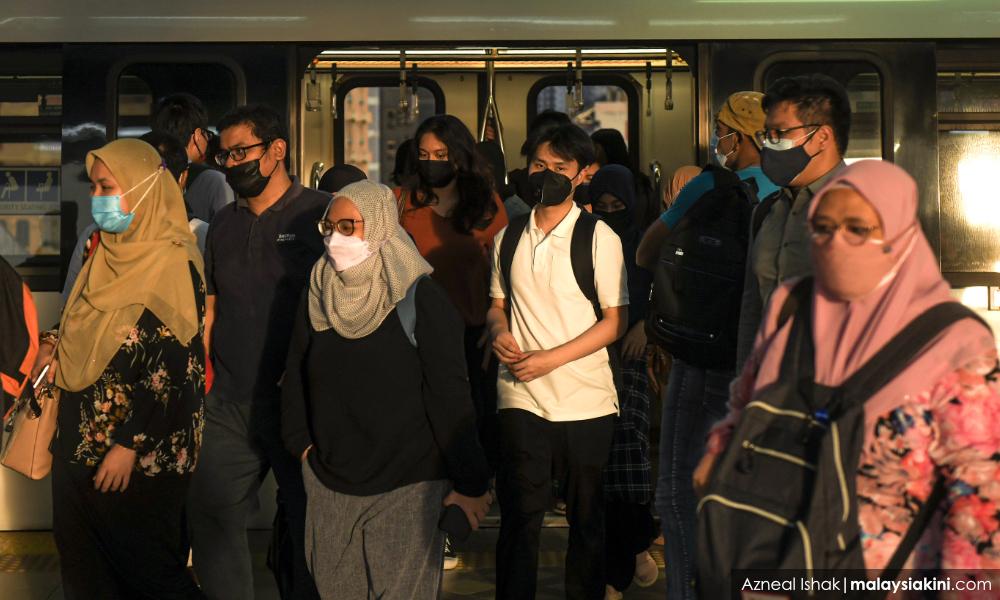
In January last year, it grew to 10.8 percent.
That is 314,400 unemployed youths, compared to 295,300 in January 2020.
The youth unemployment rate declined to 10.3 percent in January 2022.
Scarcity of high-skilled jobs
But the pandemic shrinking the number of jobs available is only one reason for youth unemployment, Harris said.
More pertinent is the scarcity of high-skilled jobs.
“We know that for some time now, the number of jobs being made available are mainly semi-skilled and low-skilled, which might not match the expectations of graduates,” he said.
A recent viral TikTok video by a young graduate underscored the issue of youth under-employment.
The viral video showed a Bachelor of Science graduate specialising in chemistry working at the counter of fast food outlet KFC.
In response, many other young graduates shared how they are in the same boat but are grateful that they are at least employed.
Harris said this can also be partly attributed to the fact that graduates are not leaving university with the skills required by employers.
“The lack of direct experience in the field can be made up with exposure throughout the course of employment and should not be seen as a determining factor when deciding if a candidate’s profile fits the job or not,” he said.

However, he noted, it is not the university’s role to meet industry needs.
“Actually, I’d argue that the main role of a university in any given society ought to be instilling intellectual curiosity and hard and soft skills among its students and graduates.”
Greener pastures
With all these challenges facing young Malaysians, it is unsurprising that up to 90 percent surveyed by pollster Randstad in 2019 said they are likely to emigrate.
On social media, young people share how they want to leave Malaysia for better employment, livelihood or sometimes, just peace of mind.
Still, many speak out against emigrating, urging peers to “weather the storm”, citing Malaysia’s need for talent for long-term growth and urging them to be the change they want to see in their nation.
But this storm has raged for decades, and some feel enough is enough.
“Talent emigrating is always going to be a reality in any globalised country,” said Harris, noting that Malaysia is no different.
“Reasons such as better career opportunities, more favourable exchange rates, wanting a different lifestyle – all these are legitimate reasons for people emigrating.
“We need to be cognisant that concurrently, there are countries that are actively trying to attract the best and brightest Malaysia has to offer,” he said.
Issues systemic in nature
For Harris, there is not much that companies can do about this, except limit the push factors that drive Malaysians abroad.
“The unfortunate thing is that most of these push factors – such as feelings of not belonging and the political situation – are systemic in nature and require a lot of political will to change.
“And even if this can be mustered, the changes will probably only be seen in the medium-term in the soonest.”
However, in the short term, the relevant authorities should ensure that high-skilled Malaysians who do leave for greener pastures are kept in the loop about opportunities for them in Malaysia, through the consulate, he said.
While waiting for policymakers to address some of these concerns, he said, young people should continue pressuring, agitating and struggling for change, using Undi18 as a way for them to exercise their democratic rights.
“Exercise your rights – whether to vote, assemble, or speak – on issues you are concerned about,” Harris said.
“And in exercising these rights, do remember that coalition building (such as Undi18) is one of the most effective ways to effect change in a democracy,” he added.
International Youth Day: What changes do young adults want?





Report this comment
Are you sure you want to delete this comment?
This action cannot be undone.