


/file/publisher-c1a3f893382d2b2f8a9aa22a654d9c97/2020/01/230483b60ef935ac85801600cd188e42.jpg)

Foreign Ministry to undergo rationalisation next year - Saifuddin
The rationalisation process will ascertain which Malawakil should remain open, identify potential new representative offices, appoint roving ambassadors or have more honorary consuls, the grades of the representatives, as well as the total number of officials and assets.
According to Saifuddin, the rationalisation is in...
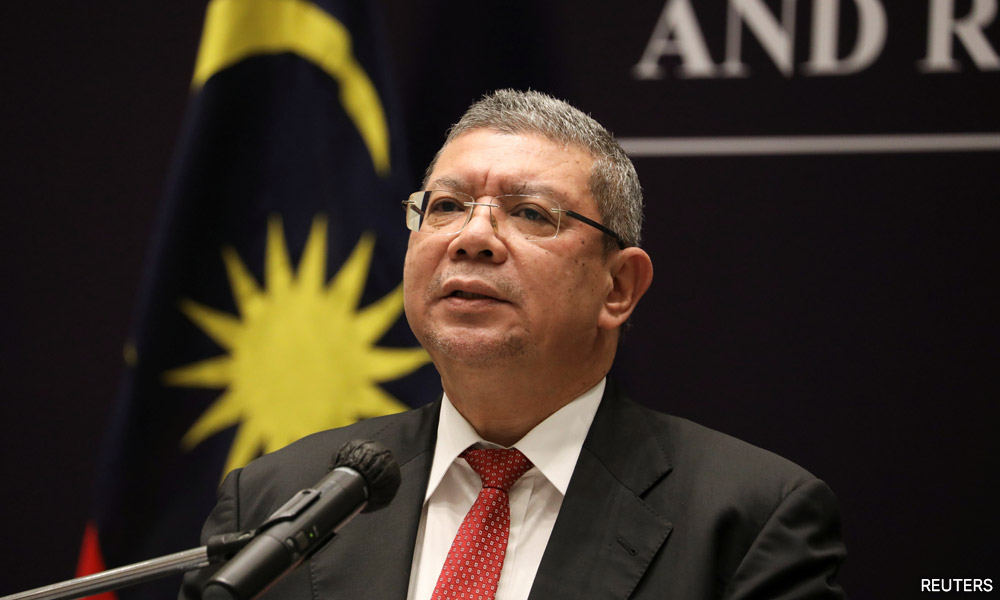
The Foreign Ministry will undergo a rationalisation process next year which will involve reorganising the existing Malaysian diplomatic representative offices (Malawakil) abroad, said minister Saifuddin Abdullah.
The rationalisation process will ascertain which Malawakil should remain open, identify potential new representative offices, appoint roving ambassadors or have more honorary consuls, the grades of the representatives, as well as the total number of officials and assets.
According to Saifuddin, the rationalisation is in line with current challenges and futurist approaches, such as analyses of emerging economies as well as Malaysia’s new focus of having a Language and Culture Attaché.
“We currently have 107 offices… do we want to stay at 107 or become 105 or become 109? We have undertaken a comprehensive study, hence we recognise which offices should remain open, which are to be closed and which should be reinforced.
“The ministry is prepared to have discussions with the other ministries on the selected criteria, which is based on political and security aspects, economic and trade aspects, as well as socio-cultural interests of the country,” he said.
Saifuddin said this yesterday when presenting the Foreign Ministry's Annual Report Card in Putrajaya.
Without naming the countries which will be focused on, Saifuddin explained that the rationalisation process is undertaken by most countries in order to maintain bilateral relations.
On whether the current 26 vacant posts for Malaysia’s heads of missions will be taken into account in the rationalisation process, he said it was not related.
“The positions are in the process of being finalised, we need to get the approval of the respective countries.”
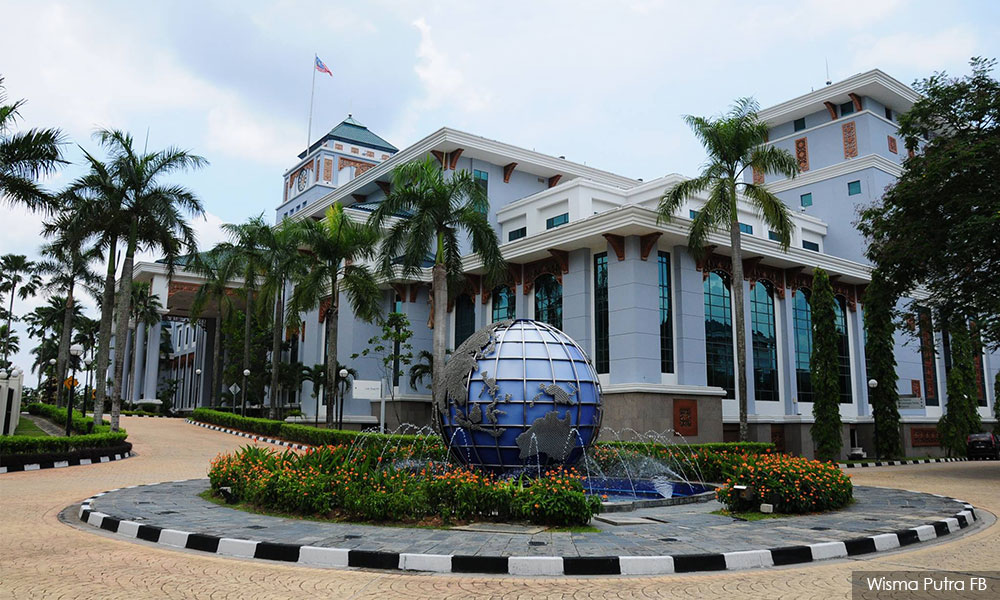
Apart from the rationalisation, the Foreign Ministry has outlined four other areas of interest - establishing the Language and Culture Diplomacy Department, specialisation areas, women's empowerment and strengthening the existing consular services.
Developing Malaysia's cultural narrative
Towards this end, the Public Communication and Diplomacy Division will be upgraded to the Language and Culture Diplomacy Department to develop Malaysia's cultural narrative.
People-to-people relations will be fostered further while the local creative industry will be introduced to the international stage.
This includes positioning Malaysia as the home of contemporary nasyid (Islamic vocal music), apart from bringing the country's art industry to the international stage via the Road to Oscars and Road to Grammy projects.
“We’ve studied the models of other more forward-thinking countries such as Indonesia and South Korea.
“The objective is to highlight Malaysia's national values and identity, promote the Malay language and Malaysian culture, and exchange culture and sports,” Saifuddin said.
The ministry is also expanding its human resource development with new initiatives such as sponsorships/scholarships for its officers, immersion programmes inside and outside the country, and establishing expert groups in specific fields.
Under the women's empowerment agenda, the ministry will implement the Women, Peace and Security agenda, gender-responsive budgeting, as well as gender balance in the appointment of heads of representatives, heads of departments and divisions, delegations, committees and forum panels.
To strengthen consular services further, the ministry is developing the e-Consular 3.0 system to improve the online payment, appointment, push notification and support modules such as the management of death certificates for Malaysians abroad.
“There are 2,500 Malaysians in prisons in many countries, so it is necessary for our consular services to be strengthened further.
“This is very important for Malaysians abroad because if there is a problem, we need to have enough facilities to help them,” Saifuddin said.
- Bernama

/file/publisher-c1a3f893382d2b2f8a9aa22a654d9c97/2021/03/c02ee5583e0e274691b6c6887c225c7e.jpg)


Are you sure you want to delete this comment?
This action cannot be undone.