


/file/publisher-c1a3f893382d2b2f8a9aa22a654d9c97/2021/04/a7a84b46be5b55669bb528773f31c349.jpg)

CAP calls for effective prevention against human-elephant conflict
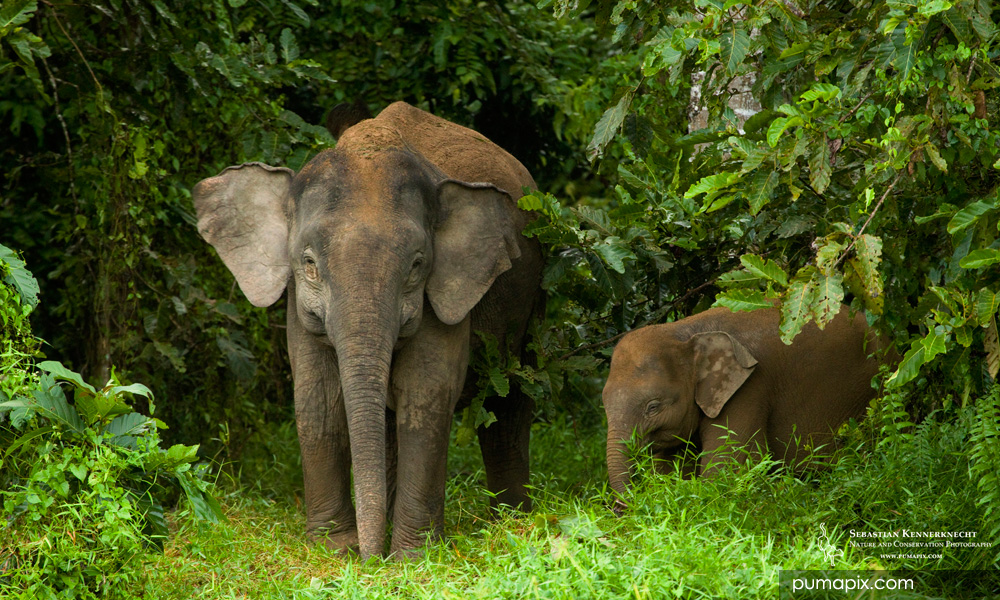
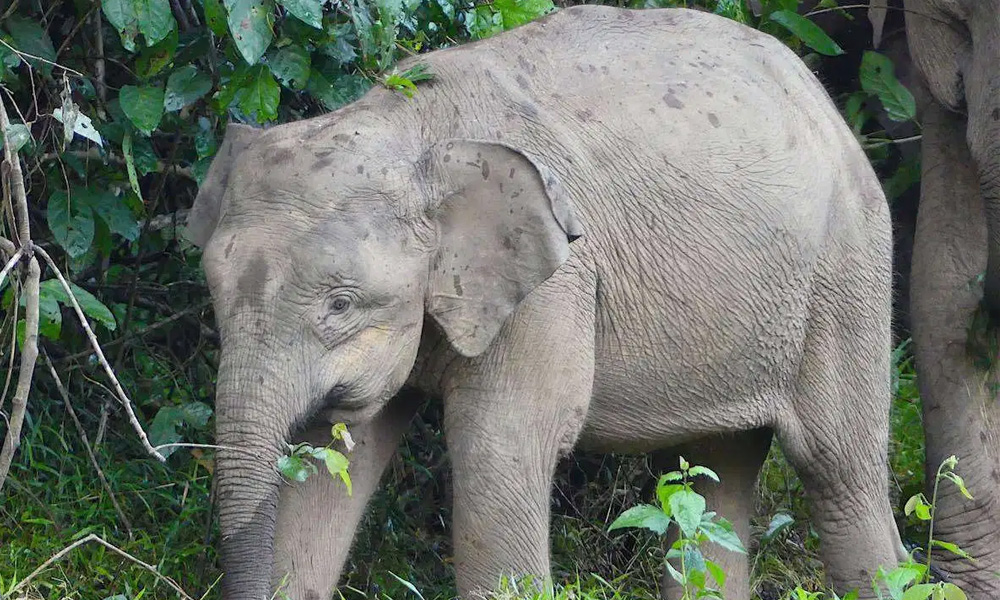
The Consumers Association of Penang (CAP) is calling for effective prevention against elephant habitat fragmentation in Peninsular Malaysia.
The Penang-based NGO is concerned that there is a rise of elephants, which are a protected species in the country, losing their habitats due to human-elephant conflict (HEC).
CAP president Mohideen Abdul Kader said...
The Consumers Association of Penang (CAP) is calling for effective prevention against elephant habitat fragmentation in Peninsular Malaysia.
The Penang-based NGO is concerned that there is a rise of elephants, which are a protected species in the country, losing their habitats due to human-elephant conflict (HEC).
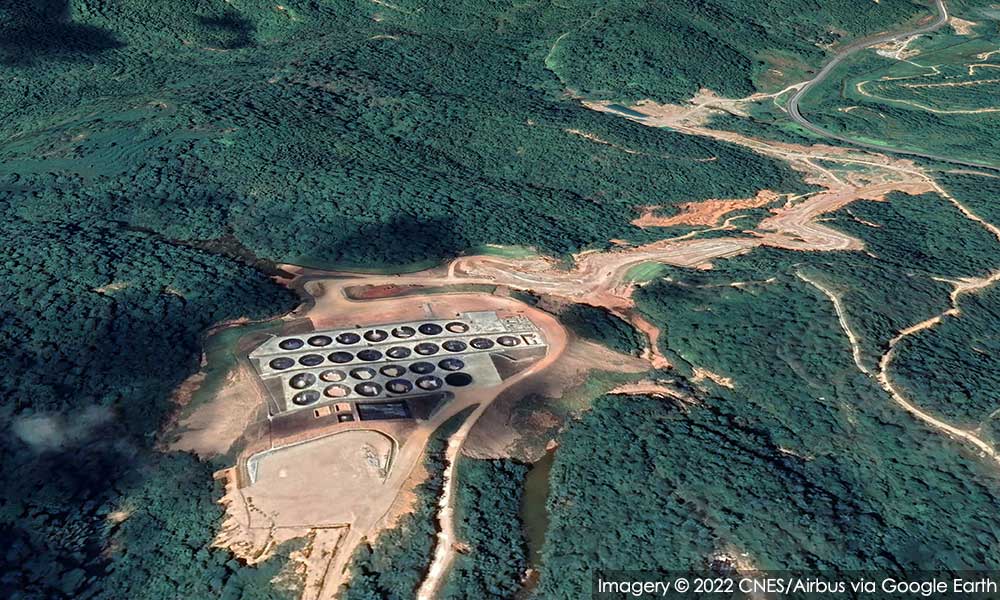
CAP president Mohideen Abdul Kader said constructions of dams and highways, logging activities, and new roads are among the many threats elephants face.
Such activities damage natural migration paths causing elephants to wander in human settlements, he added.
“These encounters often place elephants in a bad light where they are viewed as a nuisance and unfavourably described as ‘rogue elephants’.
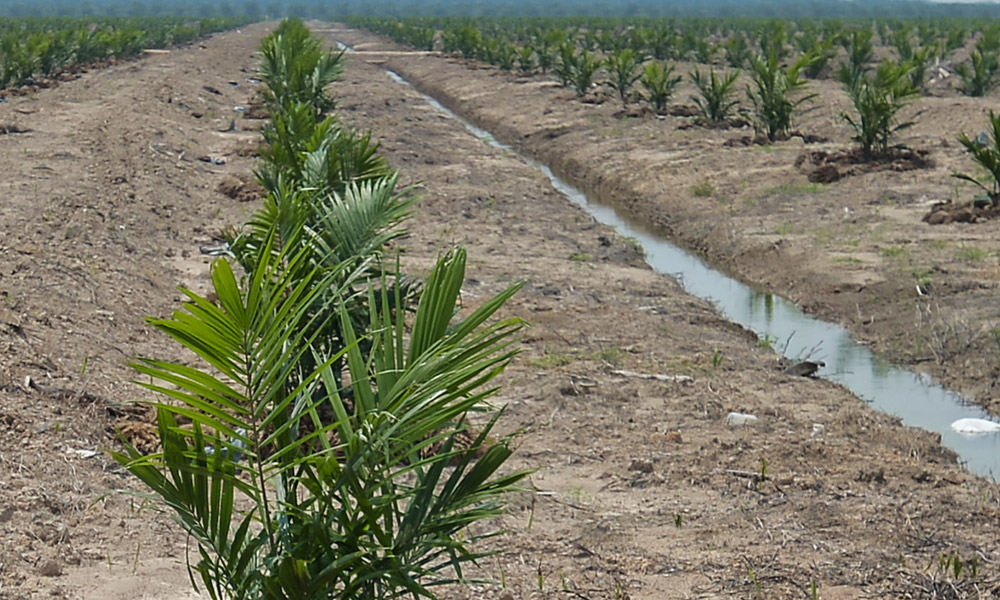
“Plantation owners have made attempts to prevent elephants from trespassing, such as installing electric fences but they were unsuccessful,” Mohideen said.

One suggested method to prevent HEC by the NGO is to create wildlife linkages for the elephants and other animals in the forests.
In August 2022, Energy and Natural Resources Minister Takiyuddin Hassan also urged for actions in conserving elephant habitats.
He said a total of 3,325 complaints of human-elephant conflict had been reported from 2015 to 2021, while as of June this year, a total of 435 similar complaints had been reported.
The minister added that it was estimated there are between 1,220 and 1,680 elephants in seven states in the peninsula, namely Kedah, Perak, Johor, Negeri Sembilan, Pahang, Terengganu and Kelantan.
CAP stressed that the displacement of elephant habitats is a negative impact on the future population where only an estimated 1,564 to 1,674 elephants will remain in Peninsular Malaysia.
The NGO urged for more effective mitigation techniques to be implemented between experts and locals in land use planning on a long-term basis.
“Human-wildlife conflict will never end as long as humans and animals share and compete for the same resources,” Mohideen concluded.



Report this comment
Are you sure you want to delete this comment?
This action cannot be undone.