


/file/publisher-c1a3f893382d2b2f8a9aa22a654d9c97/2022/12/1a861e6ab6f549a219b5d39f4eaf3ffe.jpg)

Kuala Langat residents haunted by burnt e-waste, smelly fumes
Being an unofficial dumping ground caused residents additional distress when it was discovered in 2019 that hundreds of containers in Port Klang were found to contain illegal waste.
Shortly after, authorities sprung into action and cracked down on illegal factories, closing their plastic waste processing operations that year.
But the peace appeared to be short-lived when a new problem plagued the community...
Residents of Kuala Langat, along the southern coast of Selangor, always joked that their district was a “big rubbish bin” - where industries from nearby Port Klang would go to dispose of their wastes on roadsides without facing consequences.
Being an unofficial dumping ground caused residents additional distress when it was discovered in 2019 that hundreds of containers in Port Klang were found to contain illegal waste.
Shortly after, authorities sprung into action and cracked down on illegal factories, closing their plastic waste processing operations that year.
But the peace appeared to be short-lived when a new problem plagued the community.
In August 2020, Kuala Langat residents said the smell of burning plastic and metal engulfed the area. The people found electronic waste strewn carelessly on roadsides.
“We have found wires, SD cards, and computer motherboards in the pile too.
“That’s when we learned what e-waste was and slowly, new dumpsites were popping up everywhere,” a Kuala Langat community representative told Malaysiakini.
They wished to remain anonymous for fear of reprisal by the suspected perpetrators.
E-waste is made up of discarded electronic devices that are usually refurbished or recycled for their material. Computers, phones, tablets, as well as batteries, can be considered e-waste.
E-waste is processed to extract precious metals, like gold and copper, from decommissioned electronic goods.
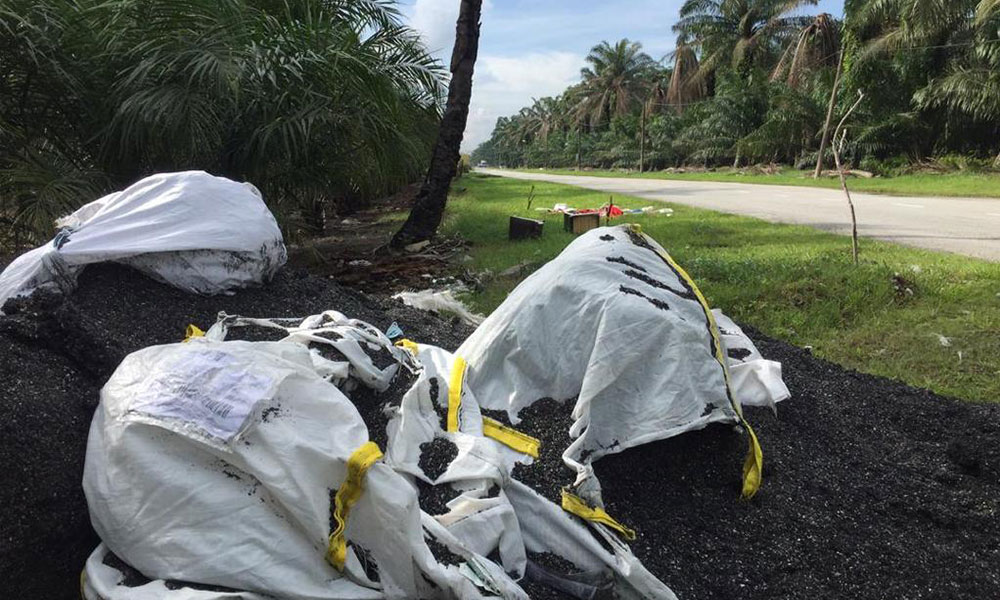
When disposed of improperly, e-waste can have adverse effects on the environment and people’s health as electronic components contain harmful materials such as lead or flame retardants.
Déjà vu
When Malaysiakini visited Telok Panglima Garang in the Kuala Langat district, at least two mounds of e-waste were spotted along the roadside, with more hidden near some trees and among general rubbish in the area.
The e-waste piles were brown and had foliage growing out of them. They could easily be mistaken as dirt or fertiliser left on the side of the road.
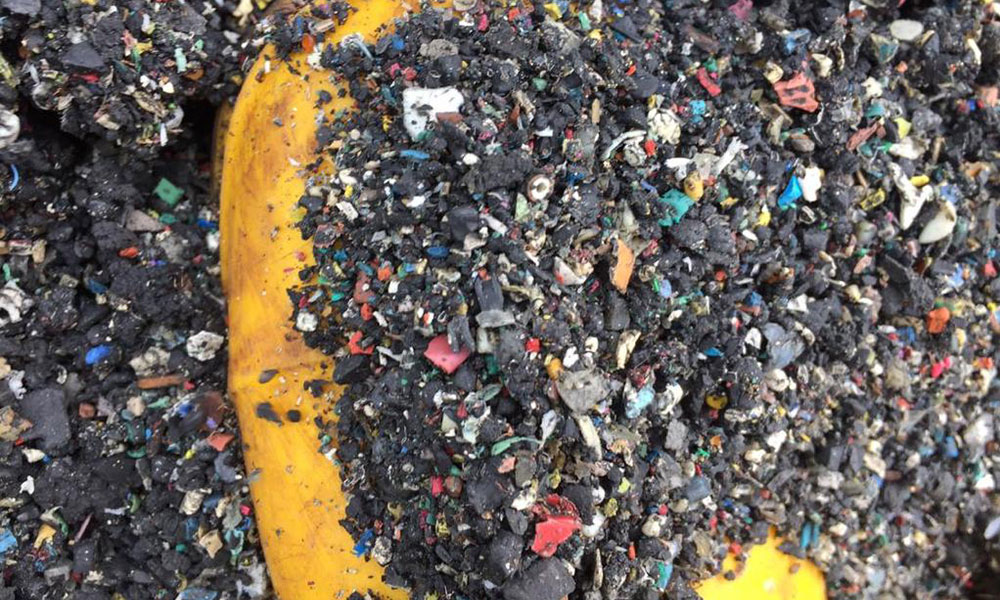
Upon a closer look, there were little pieces of plastic and metal, including burnt wires and microchips.
The texture of the mounds was soft and mushy. Some parts were unburnt. The piles emitted a pungent smell, akin to something that was recently burned.
“So, imagine a site like this but in many places around Kuala Langat. That’s what we have to deal with. From Jenjarom and all the way to Pulau Carey,” the representative said.
The representative alleged the ones responsible for the illegal dumping were factories in Kuala Langat and Port Klang.
“This is nothing new for us. In 2018 and 2019, we had to deal with imported plastic waste that came from these factories.
“Jenjarom suddenly became famous for that and for the wrong reasons,” the representative exclaimed.
In 2018, the locals took the plastic waste issue to the Selangor Department of Environment (DOE), former Kuala Langat MP Dr Xavier Jayakumar, and the Selangor state government.
The residents intended to end this problem for good by carrying out their own investigation of the factories.
In the complaints filed to the enforcement agencies, they included evidence such as photographs and drone footage of the illegal dumping. They also provided GPS coordinates for the locations of the dumpsites.
During their investigation, residents said cloudy fumes from burnt plastic filled the air and some of them fell sick.
As a result of their complaints, the Selangor government closed 33 factories in 2019.
But now, on top of imported plastic waste, illegal e-waste imports have besieged the country.
In October, Malaysiakini reported that more than 1,000 containers of e-waste are smuggled every month into Malaysia and recycled illegally by factories all over the country.
READ MORE: E-waste smuggled into the country leaves a trail of pollution
The Kuala Langat community representative believes that, in their community, factory owners hire third-party workers to dispose of the e-waste after they have been processed.
“My guess is that they don’t want to be easily traced and rather than paying money to get a proper recycling licence, they would rather pay chump change to anyone willing to do their dirty work,” the representative alleged.
‘DOE being too quiet’
A man from Jenjarom, who also wishes to remain anonymous, told Malaysiakini that one morning in June, he saw white smoke coming from one of the roads in his neighbourhood.
When he approached the location, he noticed mounds of e-waste that were still smoking, indicating whoever burned the rubbish did so in the middle of the night.
“I was very worried about how close the burning was. Most of these parts are made with plastic and the fumes from that material is very toxic,” he said.
This prompted him to call multiple enforcement agencies for help, but only the Kuala Langat Municipal Council (MPKL) responded.
“MPKL was nice enough to call me back after I made the report and within the next few days, a group of council workers came down to remove the rubbish.
“One of them even said that if this becomes a recurring problem, they might set up some CCTV cameras around the area,” said the Jenjarom resident.
When contacted, MPKL said it has removed nine illegal e-waste dumpsites and seized 55 vehicles involved in waste transporting.
Its corporate director Hashila Hamzah said the council is on high alert against factories that breach regulations and is prepared to aid the Department of Environment (DOE) to shut down errant businesses.
“But it is the DOE that has to make the move on any illegal recycling activities as factories have to apply for a recycling licence from the department.
“The council only handles business licences,” Hashila said, noting that the e-waste mostly comes from Port Klang or Sepang.
The Kuala Langat community representative said numerous complaints have been made to the state DOE over the matter.
“I made reports months ago to the DOE because I have found more illegal factories but the DOE has been so quiet.”
The Selangor DOE did not respond to requests for comment.
Locals growing tired
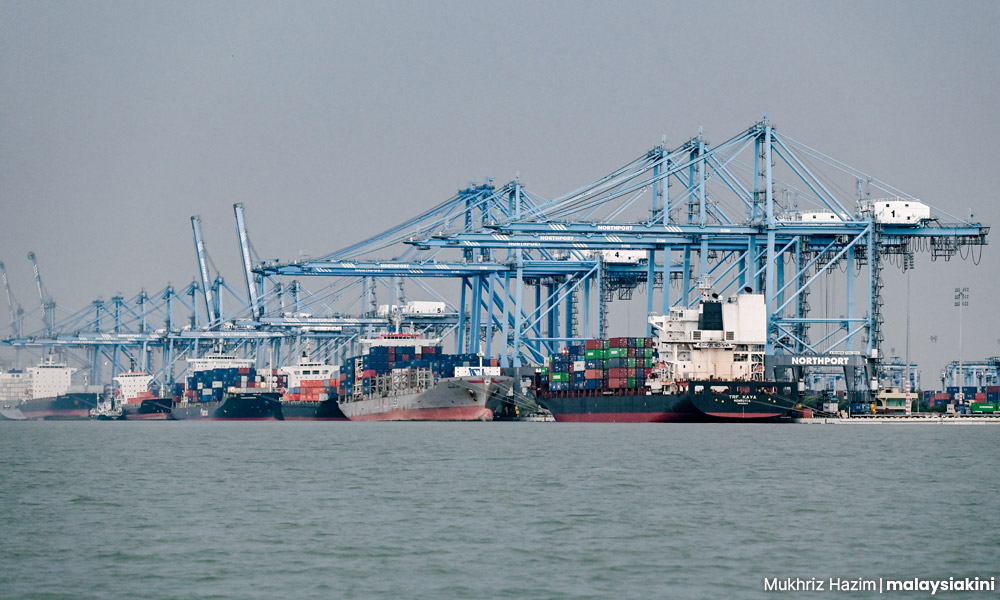
Meanwhile, residents fear Kuala Langat will continue to be a hotspot for illegal recycling, due to its proximity to Port Klang, the country’s largest port.
“It is hard because it’s not just about whether Kuala Langat looks ugly or dirty. Of course, those factors are upsetting, but the worry lies in our health too.
“Every time we see white and cloudy smoke in the air, more dumpsites and factory trucks, we worry about our families and ourselves,” the representative said.
The representative claimed that a resident who reported the factories to the authorities received “visits” from factory owners.
Although nothing untoward happened to the complainant, the seemingly cordial visit has dissuaded others from lodging similar complaints.
The representative hopes local authorities would view residents’ concerns more seriously.
“If they keep turning a blind eye to illegal dumping, then these people will come in and casually do their shady practices, (and the situation) will get worse and worse every year.
“I’m not asking much but please, listen to us! Our home is slowly becoming a harmful environment.”
/file/publisher-c1a3f893382d2b2f8a9aa22a654d9c97/2020/02/180bc97907bb56e78be21dd339ff910c.jpg)
/file/publisher-c1a3f893382d2b2f8a9aa22a654d9c97/2022/04/85f52c7171caf419ba8babc3dbc13327.jpg)
/file/publisher-c1a3f893382d2b2f8a9aa22a654d9c97/2022/09/9a43aea657d9cec8f7e358c50ebd1dbd.jpg)


Report this comment
Are you sure you want to delete this comment?
This action cannot be undone.