


/file/publisher-c1a3f893382d2b2f8a9aa22a654d9c97/2022/08/1523d3bada79236b175814c059417855.jpg)

Mental Health Act amendment bill passed
PARLIAMENT | The Dewan Rakyat has passed amendments to Mental Health (Amendment) Bill 2023 via a voice vote.
The Mental Health Act 2001 (Act 615) is amended to include more government officials as crisis intervention officers, a previously unnamed entity, other than the existing members - police officers and social welfare officers.
Others include members of the Malaysian Civil Defence Force, officers of the Malaysian Maritime Enforcement Agency and...
PARLIAMENT | The Dewan Rakyat has passed amendments to Mental Health (Amendment) Bill 2023 via a voice vote.
The Mental Health Act 2001 (Act 615) is amended to include more government officials as crisis intervention officers, a previously unnamed entity, other than the existing members - police officers and social welfare officers.
Others include members of the Malaysian Civil Defence Force, officers of the Malaysian Maritime Enforcement Agency and personnel from the Fire and Rescue Department, auxiliary fire and rescue, and volunteer fire and rescue.
The amendments of the provisions also mean that crisis intervention officers are now given more authority and power in the process of apprehending a mentally disordered person.
Previously, only police officers and social welfare officers were only allowed to apprehend any person believed to be mentally disordered and could pose a danger to themselves, other persons or property.
The original bill also stated that the officer who had apprehended the persons shall, within 24 hours, bring the apprehended person to a medical officer in a government psychiatric hospital or a registered medical practitioner in a gazetted private psychiatric hospital for examination.
However, in the newly amended bill, crisis intervention officers are allowed to apprehend any person who attempts to commit suicide.
The crisis intervention officers are also given the power to enter any premises whenever necessary to do so for the purpose of apprehension.
When exercising such powers, the crisis intervention officers may break open any doors or windows and forcibly enter the premises or remove by force any obstruction to such entry.
Concerns raised
During the debates, several lawmakers from both sides of the political divide raised concerns if the crisis intervention officers would be given adequate training and briefing before they are authorised with the heavy and high-risk responsibility.
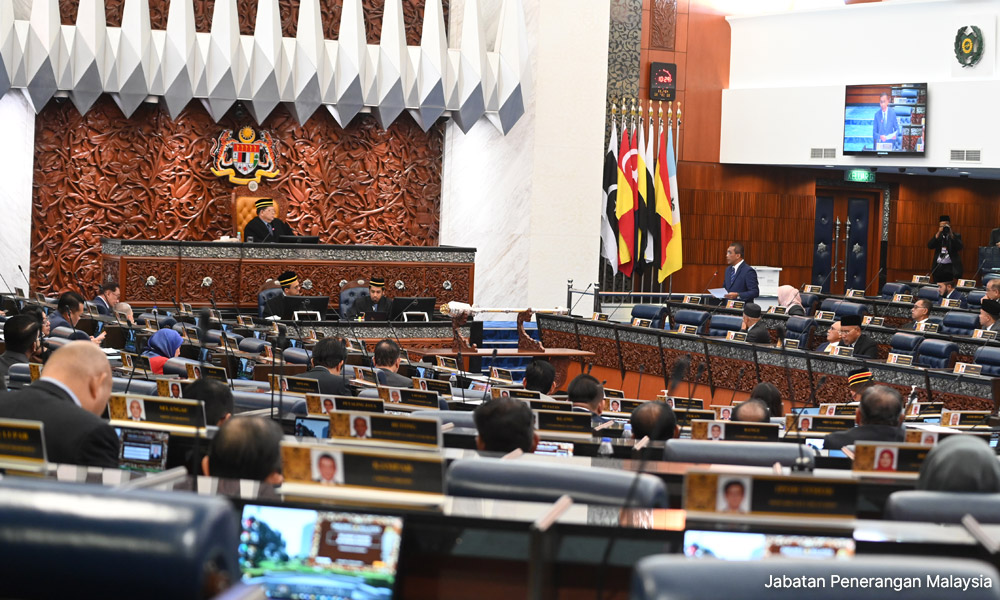
They also questioned the exclusion of medical officers from the list of crisis intervention officers, arguing that an understanding of mental health issues is a necessary part of the identifying and apprehending process.
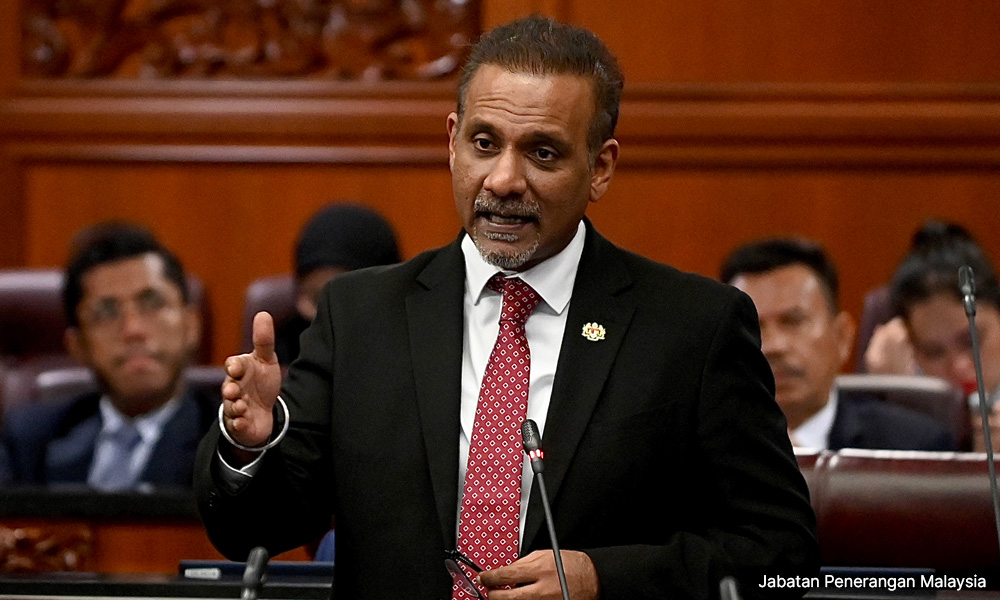
In response, Deputy Minister in the Prime Minister’s Department (Law and Institutional Reform) Ramkarpal Singh said the Health Ministry had developed a “suicide prevention training module” for the officers and had trained 50 police officers and firefighters nationwide last year.
“The module included communications and negotiation skills. So, it will be a continuous training which will take place regularly to improve the officers’ skills in handling suicide crises,” he said in his winding-up speech today.
However, when asked how many more officers will be trained and the cost of the training sessions, the Bukit Gelugor MP did not have information on the matter.
He added that the amendment of the bill does not prevent those affected from taking civil actions for damages caused by crisis intervention officers who break into the premises if the officers had abused their powers.
“This will all be a question of fact that needs to be decided by the court, if there are compensations and if any, how much would the compensations be.”
On the exclusion of doctors, Ramkarpal said medical officers are assigned to work in medical facilities and should not be involved in the initial "rescue process".
"If doctors are involved at the crisis intervention stage, it can affect their relationship with the individuals (apprehended) and potentially increase stigma, and maybe the individuals will be reluctant to undergo treatment.
"Medical officers also have a duty of care and a duty to protect their patients, and their involvement in the initial stage could pose a breach of doctor-patience confidence," he said.
Ramkarpal also said the government will consider Miri MP Chiew Choon Man's suggestion for the term "apprehend" in the amendment Bill to be changed to "save".
Decriminalising suicide
The passing of the amendment of the bill is part of Malaysia’s bid to decriminalise attempted suicide via several amendments to the relevant laws during this Dewan Rakyat sitting.
The Dewan Rakyat passed the Penal Code (Amendment) (No 2) Bill 2023, Criminal Procedure Code (Amendment) (No 2) 2023 by a voice vote yesterday.
Ramkarpal said that the bill passed includes amendments to Sections 305 and 306 of the Penal Code to include the criminalisation of aiding and abetting attempts of the suicide of children and incapacitated persons.
The move, Ramkarpal said, was to protect people from online bullying, which could lead to suicide.
The proposed penalty for abetting a suicide or an attempted suicide is imprisonment for up to 20 years, as well as a fine.
It also repeals Section 309 of the Penal Code, nullifying attempts to suicide under Act 574.
Section 309 punishes attempted suicide with up to one year in jail, a fine, or both.
/file/publisher-c1a3f893382d2b2f8a9aa22a654d9c97/2023/05/70bdad6a9f9d0709fae73fb9041ed815.jpg)
/file/publisher-c1a3f893382d2b2f8a9aa22a654d9c97/2023/05/6a23e2f1f7afa7a523c70725b1737948.jpg)
/file/publisher-c1a3f893382d2b2f8a9aa22a654d9c97/2023/05/f0e3b140f5804bca68197ed43336ba59.jpg)
/file/publisher-c1a3f893382d2b2f8a9aa22a654d9c97/2021/07/2bb63963204b55d2b4b7786ca791b443.jpg)
/file/publisher-c1a3f893382d2b2f8a9aa22a654d9c97/2023/03/4b927f23fda1afc13db9e4f8c97d93c9.jpg)


Report this comment
Are you sure you want to delete this comment?
This action cannot be undone.