


/file/publisher-c1a3f893382d2b2f8a9aa22a654d9c97/2023/09/b5f9e5f901a59bcd014e96d97cdf35ae.jpg)

Jomo: Tough decision as low interest rates also mean low ringgit
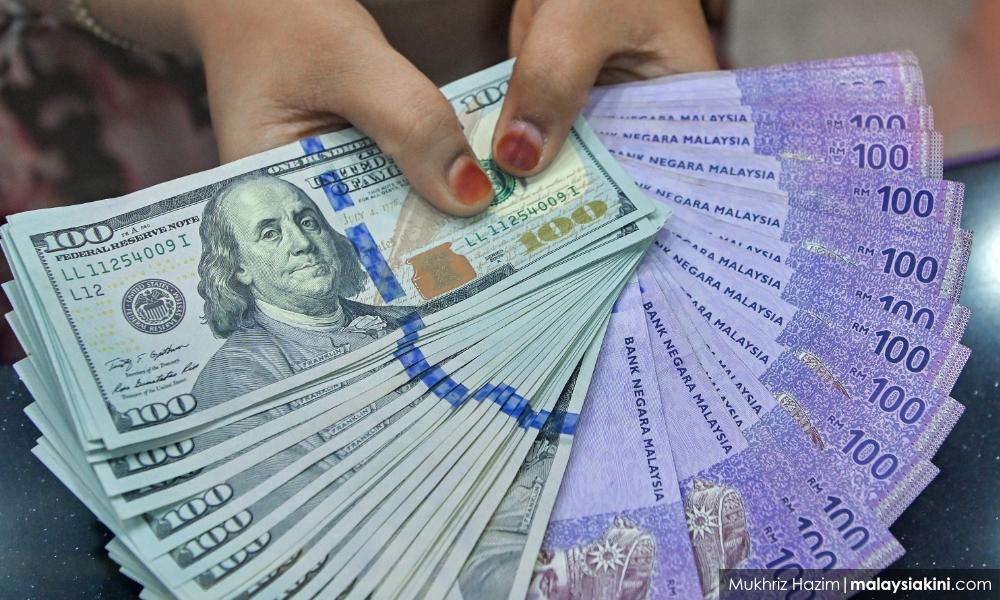
Bank Negara Malaysia's (BNM) policy of keeping interest rates low plays a positive role in keeping down the cost of borrowing but Malaysians need to understand that this also results in weakening ringgit, said economist Jomo Kwame Sundram.
"The US increasing interest rates forces everybody else to increase interest rates. So when some of you complain about the ringgit getting very weak, we have to (first) understand why it is getting very weak,” he explained.
Bank Negara Malaysia's (BNM) policy of keeping interest rates low plays a positive role in keeping down the cost of borrowing but Malaysians need to understand that this also results in weakening ringgit, said economist Jomo Kwame Sundram.
"The US increasing interest rates forces everybody else to increase interest rates. So when some of you complain about the ringgit getting very weak, we have to (first) understand why it is getting very weak,” he explained.
Since the beginning of this year, he said, BNM's monetary policy committee has refused to raise interest rates, successfully keeping down the cost of borrowing for people who want to get involved with investment as well as consumption.
"But this means that the ringgit has declined in value. These are very difficult choices one has to make. It’s precisely because of this it's important for people to understand why these choices are being posed and what are the implications," he added.
The Khazanah Research Institute senior adviser was speaking about ‘Geopolitical Challenges, Opportunities and Prospects for Malaysia’s Economy as part of the Economics’ section of the Kuala Lumpur and Selangor Chinese Assembly Hall 100th anniversary celebration today.
"I’m sure there are many of you who are supporting children studying abroad (but end up) complaining because the ringgit is now lower in value.
"But at the same time, there are many people who would not be able to afford higher interest rates. It’s a difficult choice. Look at what has happened. Inflation came down this year in Malaysia without raising interest rates because the supply-side disruptions were more or less stabilised," he added.
Promoting domestic investments
Jomo said it was also very important for the country to promote domestic direct investment (DDI).
He said that based on evidence worldwide, where domestic investments lead, foreign direct investments (FDI) follow, as the last several decades have witnessed the opposite practice.
"We have to privilege domestic investments. And now with all these silly laws and international agreements we have agreed to, we have a situation where it does not make sense for Malaysian investors to be registered in Malaysia,” Jomo said.
"You can get more privileges by being a foreign investor - let’s say (around) south of the Causeway - than you can in Malaysia," he said citing the example of Grab, which he described as being run by Malaysians, despite actually being registered in Singapore.
"So you have a situation where we have created all kinds of laws which actually do not help Malaysian investors to develop.
"And that’s why it's important for us to put much more emphasis on DDI, less on FDI and certainly less on foreign portfolio investments," said Jomo.
/file/publisher-c1a3f893382d2b2f8a9aa22a654d9c97/2023/05/265fd8303319cb82c8e73be22fbb31ca.jpg)
/file/publisher-c1a3f893382d2b2f8a9aa22a654d9c97/2023/03/aa5da4f824306afa646e8158d6de476d.jpg)
/file/publisher-c1a3f893382d2b2f8a9aa22a654d9c97/2023/09/cda32f440fc8b634e10e16733cc2dc8e.jpg)
/file/publisher-c1a3f893382d2b2f8a9aa22a654d9c97/2023/09/d43b7743a79c9d0caa9451233eb1a30b.jpg)
/file/publisher-c1a3f893382d2b2f8a9aa22a654d9c97/2023/07/7154b7990cf36e76e21c3862a7515f33.jpg)


Report this comment
Are you sure you want to delete this comment?
This action cannot be undone.