


/file/publisher-c1a3f893382d2b2f8a9aa22a654d9c97/2023/10/f8732931c8d58ed516dc35a6127c9c32.jpg)

Raid recording: Activist granted DNAA for disobeying police order case
Activist Wong Yan Ke has been granted a discharge not amounting to an acquittal (DNAA) for the charge of disobeying police order to stop live recording of a police raid three years ago.
The decision comes after the prosecution failed to present all of its five witnesses in court today.
Wong was charged under...
Activist Wong Yan Ke has been granted a discharge not amounting to an acquittal (DNAA) for the charge of disobeying police order to stop live recording of a police raid three years ago.
The decision comes after the prosecution failed to present all of its five witnesses in court today.
Wong (above) was charged under Section 188 of the Penal Code for disobedience to an order duly promulgated by a public servant.
The trial was scheduled to commence this morning at the Petaling Jaya Magistrates’ Court. However, deputy public prosecutor Nurul Sofea Jaysal told the court that all five prosecution witnesses were unable to attend.
Sofea said that the case had just been handed over to a new investigating officer, and with all the witnesses absent, she had hoped to reschedule it to another date.
However, magistrate Sharil Anuar Ahmad Mustapha pointed out that this case has been pending for a long time and the prosecution should have all the necessary evidence ready rather than facing a situation where witnesses couldn't appear in court.
The magistrate then granted a DNAA to Wong.
“Today, no witnesses appeared in court and they are all police officers. This is an old case, and everyone should have been adequately prepared.”
Wong‘s defence lawyer, Shashi Devan, stated that the legal team would discuss with him whether to file a petition for acquittal.
“We were fully prepared for today’s trial but, unfortunately, the deputy public prosecutor informed us that there were no witnesses testifying.
“We should have had a complete trial for Wong to point out any (partially) incorrect aspects in any criminal charges,” Shashi said.
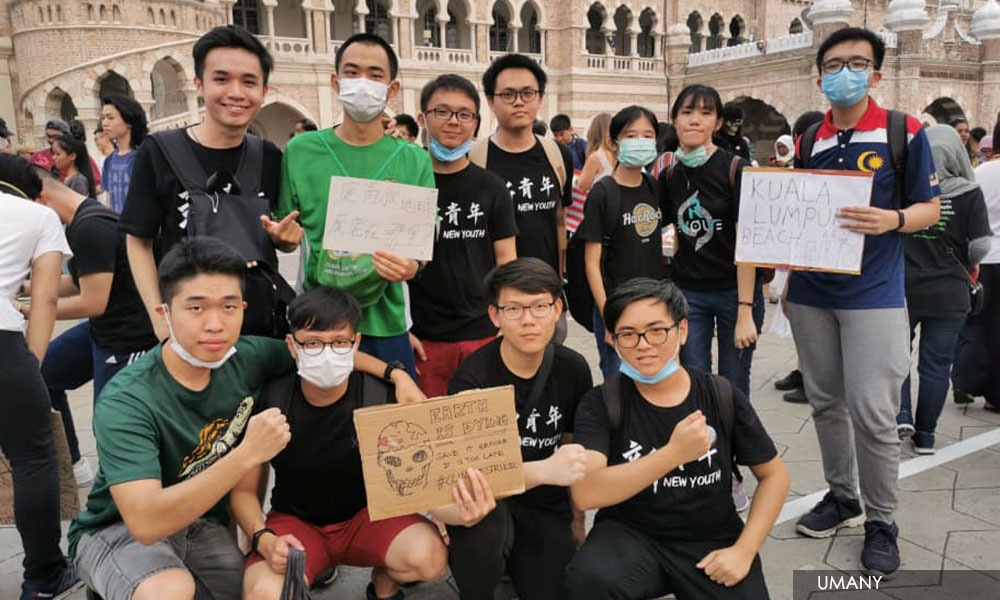
Speaking to reporters later, the former Universiti Malaya Association of New Youth (Umany) president said he would consider appealing to seek a full acquittal.
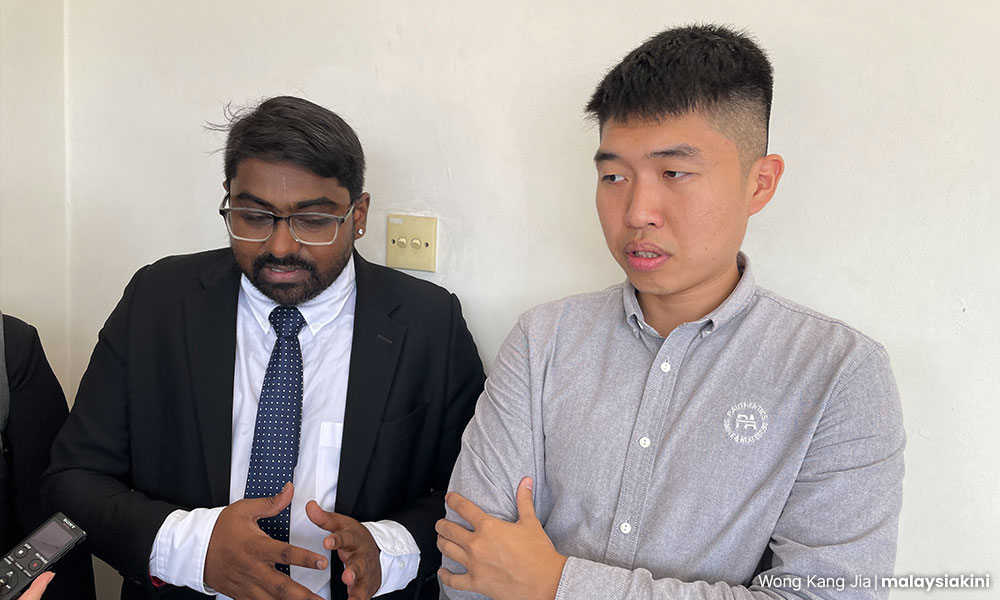
He believes that the verdict in this case will have an impact on society.
Wong pointed out that it is essential to confirm whether the public has the right to film law enforcement processes and whether the police can arbitrarily change the charges in subsequent proceedings.
“I believe this case is quite significant; it will determine whether the people have the right to film the police in the line of duty.
“The police are a law enforcement agency and they might be involved in corruption. In fact, filming them is a way to protect yourself,” he said.
Wong said filming the police could also ensure that the law enforcement process is fair, violence-free, and follows procedures.
“This practice actually helps improve the credibility of the police, ensuring that the law enforcement process is open and transparent,” he said.
Wong added that once a charge under Section 188 of the Penal Code for alleged disobedience to an order duly promulgated by a public servant is proven, it will impact the accused’s rights.
Testing the waters with charges?
Initially, the police had charged him under Section 186 of the Penal Code (obstructing a public officer) but they later switched to Section 188 (resisting a public servant in discharge of his duty) for prosecution.
“Can they first charge under Section 186, and if it doesn’t hold, switch to Section 188? I believe this infringes on the rights of the people.
“I am seeking an acquittal because the final judgment can serve as a precedent. If other citizens encounter similar cases, they can use this as a precedent to defend themselves,” Wong said.
He also pointed out that Section 188 was difficult to define and would confuse the public.
“What is the proper way for police to give instructions? If someone tells you not to record, should you immediately obey? If they instruct you to engage in inappropriate behaviour, must you comply?” Wong queried.
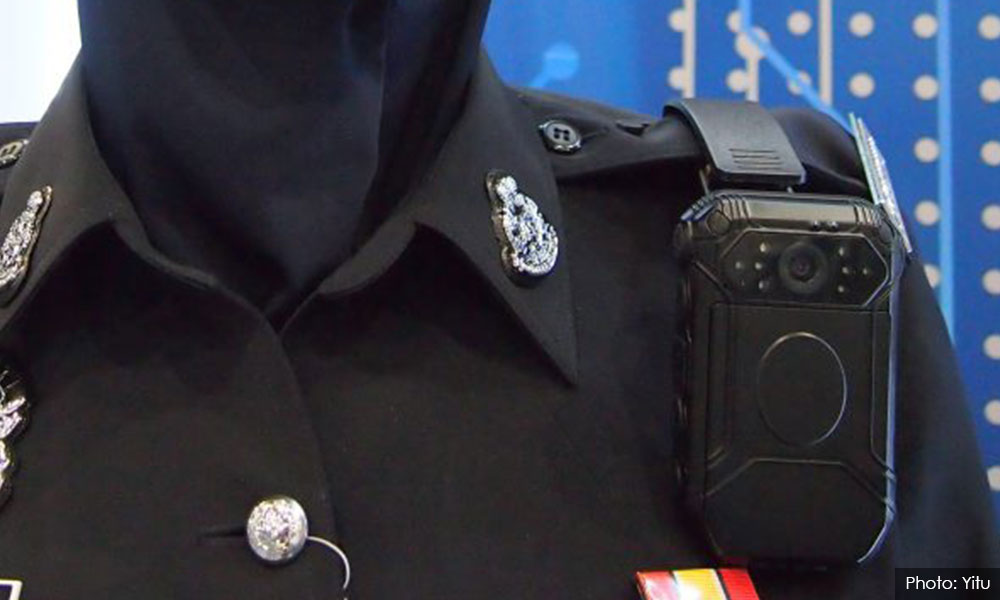
He then questioned why the Home Ministry purchased body cameras for police use but these weren’t used during enforcement actions, adding that the filming of police discharging their duties was normal.
“Security cameras (CCTV) may also capture the law enforcement process. Are you going to sue the owners of those cameras as well?” Wong asked, adding that he may further file a civil suit to pursue the case.
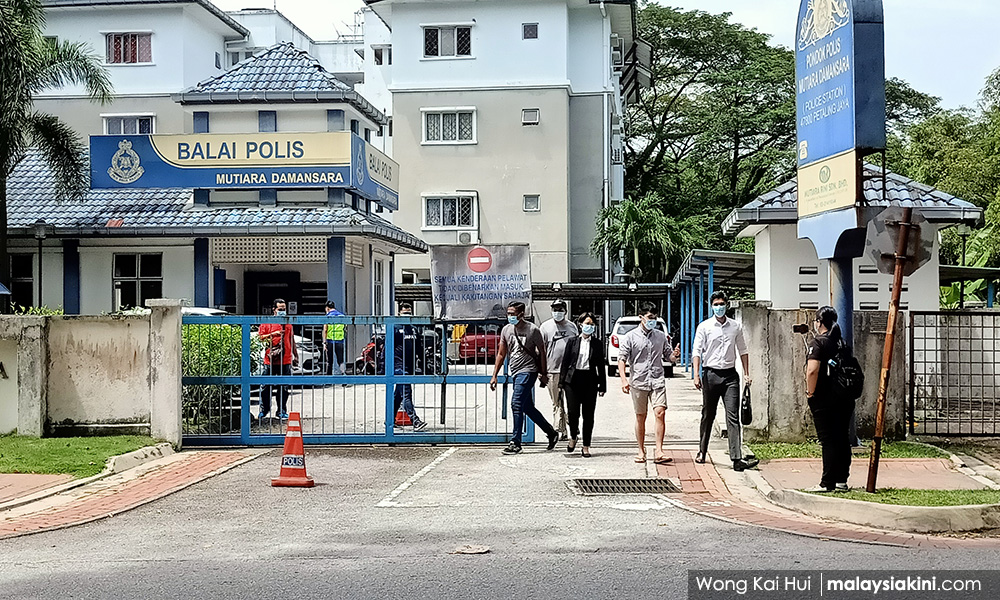
Wong was arrested on Nov 7, 2020, when police raided the house of his successor Yap Wen Qing in relation to a probe of a Umany article on the role of the Yang di-Pertuan Agong.
He was filming the actions of the police with his mobile phone during the raid.
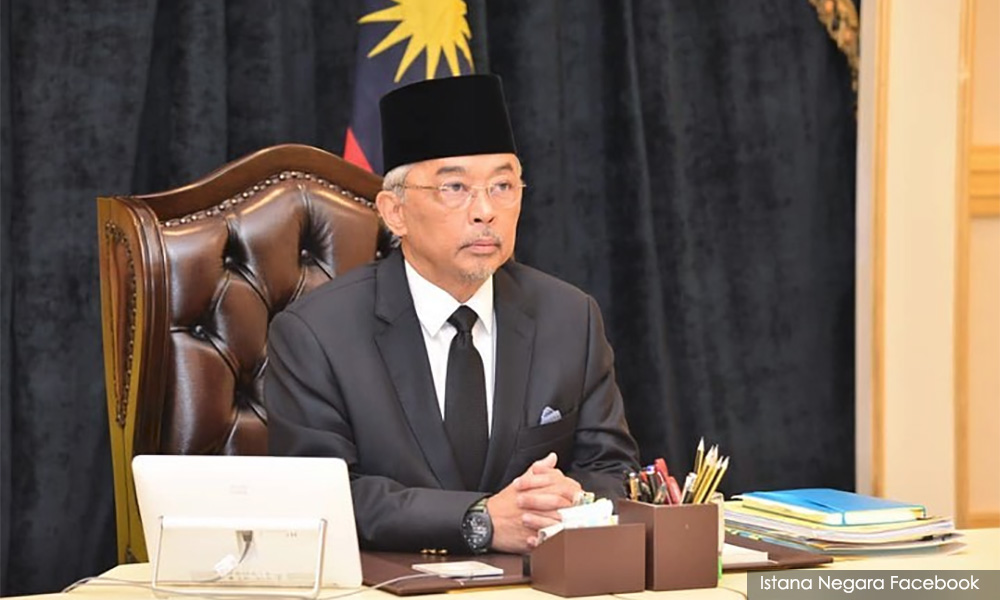
In an article posted on Oct 30, 2020, Umany argued that the king "should not interfere in national affairs, must always maintain a neutral attitude and play his role within the framework permitted by the Constitution".
The article followed the Agong's rejection of the government's request for an emergency declaration and His Majesty advising all MPs to support Budget 2021.
However, in a Facebook posting on Nov 12 of the same year, the association retracted the article and apologised to the monarch.
/file/publisher-c1a3f893382d2b2f8a9aa22a654d9c97/2022/04/4ef0743e71fc1e0be82ad727e0b54038.jpg)
/file/publisher-c1a3f893382d2b2f8a9aa22a654d9c97/2022/09/11f77a8f860b66832208795ffa475876.jpg)


Are you sure you want to delete this comment?
This action cannot be undone.