


/file/publisher-c1a3f893382d2b2f8a9aa22a654d9c97/2019/04/70c0f87d36d18ffd69c5ca2ee48116c1.jpg)

Ex-deputy minister questions direct award of 5G deal to Huawei
He said the award is questionable not only because it did not go through tender processes, but also because the Anwar Ibrahim government’s first move was to investigate the sole award of the 5G network to Ericsson, via Digital Nasional Bhd (DNB).
Although subsequent probes found...
Former deputy international trade and industry minister Ong Kian Ming has questioned the government’s decision to award a second 5G network contract to China telecommunications giant Huawei, via direct award.
He said the award is questionable not only because it did not go through tender processes, but also because the Anwar Ibrahim government’s first move was to investigate the sole award of the 5G network to Ericsson through Digital Nasional Bhd (DNB).
Although subsequent probes found nothing untoward, Ong said, it would be a disservice by the Anwar government to award a second network in exactly the same manner “where only one bidder was involved”.
Further, he said, it is not clear if the country truly needs a second 5G network provider, given that 5G speeds in Malaysia are already among the fastest in the world.
“While this is partly caused by the relatively low number of existing 5G users in the country, it cannot be denied that the single wholesale network (SWN) model adopted by DNB has not only been effective in rapidly rolling out 5G coverage but that the speeds it achieved are much better than 4G, especially when international comparisons are made.
“If both speed and coverage of the existing 5G network are more than sufficient, is there a need then for a second network?” he asked in a statement.
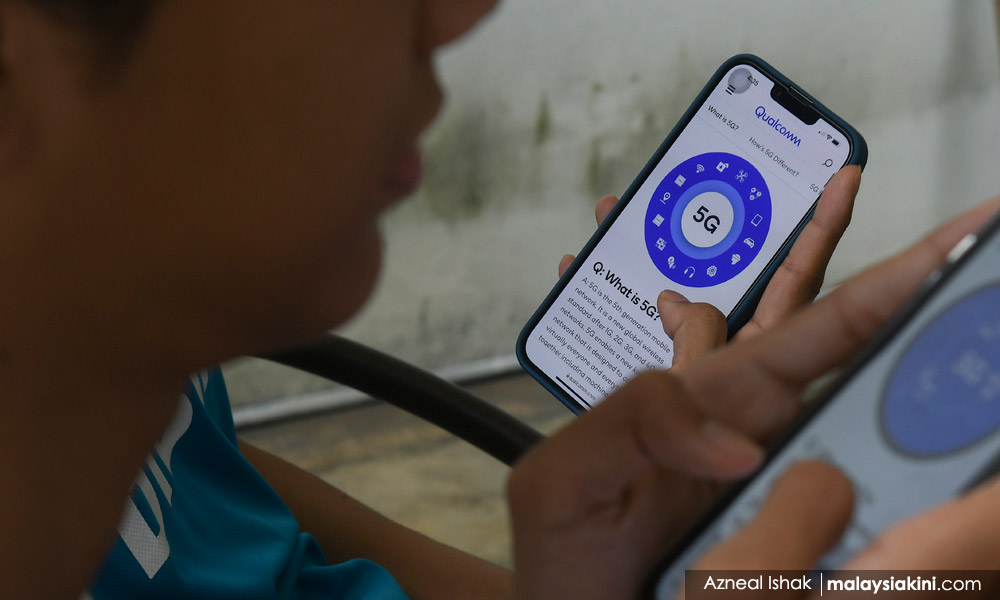
Bid to kill off DNB?
Ong added that the second network is premature because the agreement of the shareholding structure of DNB by mobile network operators has yet to be signed.
Without this agreement, he said, major network operators like Maxis and Celcom-Digi may not remain committed to DNB, jeopardising its survival.
“Some industry watchers speculate that the two ‘big boys’ harbour intentions of ‘killing off’ DNB so that its assets can be bought on the cheap and they no longer have to pay the same access fees to DNB.
“The consequence of this is that the Finance Ministry will be left holding the debt of DNB without having the major telcos paying their share of 5G access fees which will be used to service DNB’s debt.
“This would lead to the experience of ‘socialisation of losses’ and ‘privatisation of profits’ which Malaysia has seen many times in past administrations which I’m sure Anwar would’ve been keen to avoid, especially since it will be his ministry, the Finance Ministry, which will end up holding the bad debts," he added.
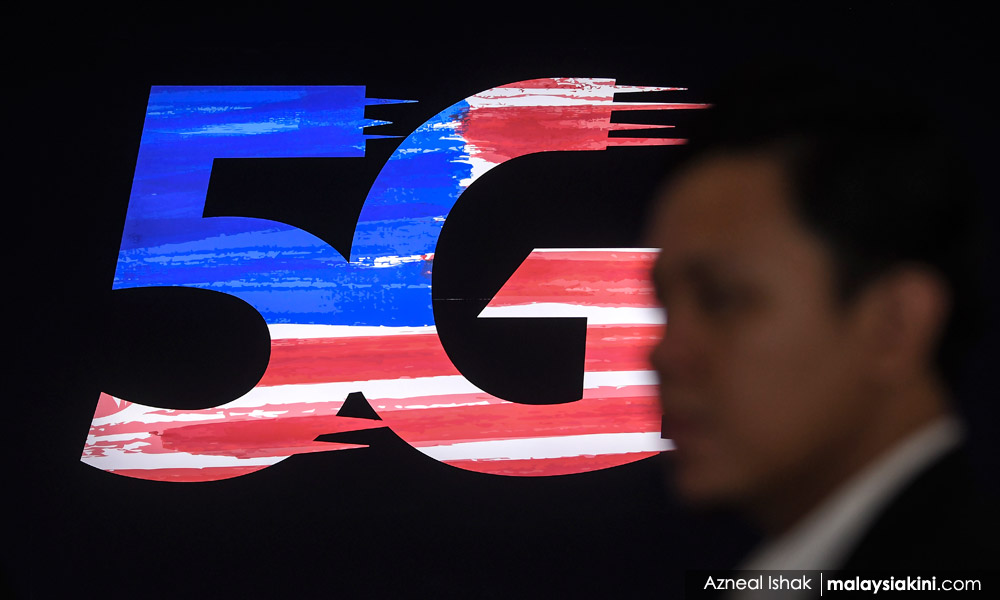
Ong cautioned that the rollout of 5G networks is also mired in geopolitics and that the government should be firm in ensuring national interests are protected.
Earlier, Anwar announced that the government is allowing Huawei to break the state-owned DNB’s monopoly on the 5G network.
The prime minister said while he acknowledged warnings of risks to national security, he believes allowing Huawei to provide a second network could help Malaysia benefit from both Western and Eastern technologies.
“We in Malaysia... and I believe rightly, decided that while we get the best from the West, we also should benefit the best from the East,” he said at an event hosted by Huawei in Kuala Lumpur last month.
In 2021, the government launched the state-owned DNB, which owned the full 5G spectrum.
Mobile operating networks then used this infrastructure to provide their services.
/file/publisher-c1a3f893382d2b2f8a9aa22a654d9c97/2021/11/4a89b0f3e284d329e648f9ef514dee11.jpg)
/file/publisher-c1a3f893382d2b2f8a9aa22a654d9c97/2023/07/9631d4dd9d832a1949f9cc8672e6e4a1.jpg)
/file/publisher-c1a3f893382d2b2f8a9aa22a654d9c97/2023/03/ffefba6ab8d7de2713360bd675773f06.jpg)


Are you sure you want to delete this comment?
This action cannot be undone.