


/file/publisher-c1a3f893382d2b2f8a9aa22a654d9c97/2023/11/a975ef8905440cffbcb50d23dd44eec4.jpg)

Citizenship amendments: NGO coalition to petition Agong
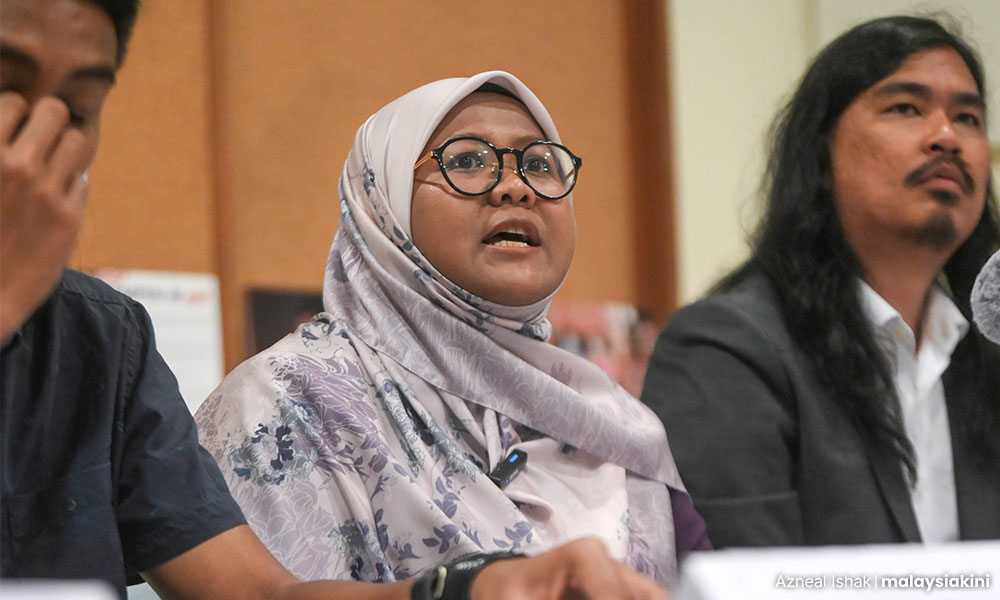
A spokesperson for the coalition Siti Rahayu Baharin from Buku Jalanan Chow Kit said the memorandum will be sent as soon as possible.
She said they urged the government to change the...
A coalition of NGOs that rejects the proposed constitutional amendments on citizenship will submit a memorandum of objection to the Yang di-Pertuan Agong and cabinet.
A spokesperson for the coalition Siti Rahayu Baharin from Buku Jalanan Chow Kit said the memorandum will be sent as soon as possible.
She said they urged the government to change the regressive amendments into progressive ones.
“No child born in this country should be left stateless.
“We plan to continue this protest through a memorandum that will be sent to the Istana Negara and the cabinet,” she said at the group’s press conference held at the Kuala Lumpur & Selangor Chinese Assembly Hall today.
Siti Rahayu explained that they rejected five of the eight amendment proposals presented by the government.
However, she said they are ready to hold discussions with the government, especially relevant ministers, if invited.
The media conference was also attended by representatives of other NGOs such as Lawyers for Liberty and Family Frontiers, as well as other human rights NGOs and related individuals.
Proposed amendments
The Home Ministry is expected to present in the Dewan Rakyat all eight proposed amendments related to the granting of citizenship under the Federal Constitution.

This includes the right for Malaysian mothers to pass on their citizenship to their children born abroad, similar to the rights held by Malaysian fathers.
However, several other amendments have been criticized by civil society groups, including those regarding abandoned children and children of permanent residents.
Home Minister Saifuddin Nasution Ismail previously defended the amendments and said he has explained to stakeholders about the concerns raised.
He said there is still a way for people who do not have citizenship to obtain citizenship status and the amendment only changes the method from “validity line” to “registration line”.
He also did not rule out the possibility of amendments to other acts besides the Constitution.
READ MORE: KINIGUIDE | How could constitutional changes make more people stateless?
Reminder of Harapan’s promise
Meanwhile, an individual who previously did not have citizenship, Wong Kueng Hui, who also attended the press conference today, asked ministers and Pakatan Harapan leaders who previously fought for the citizenship issue to return to their original struggle.
In fact, he said, during the 15th general election (GE15) campaign, he was brought onto a Harapan stage by Hannah Yeoh, who is now the youth and sports minister, promising to fight for the issue.
“She herself said statelessness is a very serious issue for undocumented Malaysian children and I am sure she also very much understands how difficult it is for Malaysians to live without citizenship in their own homeland.
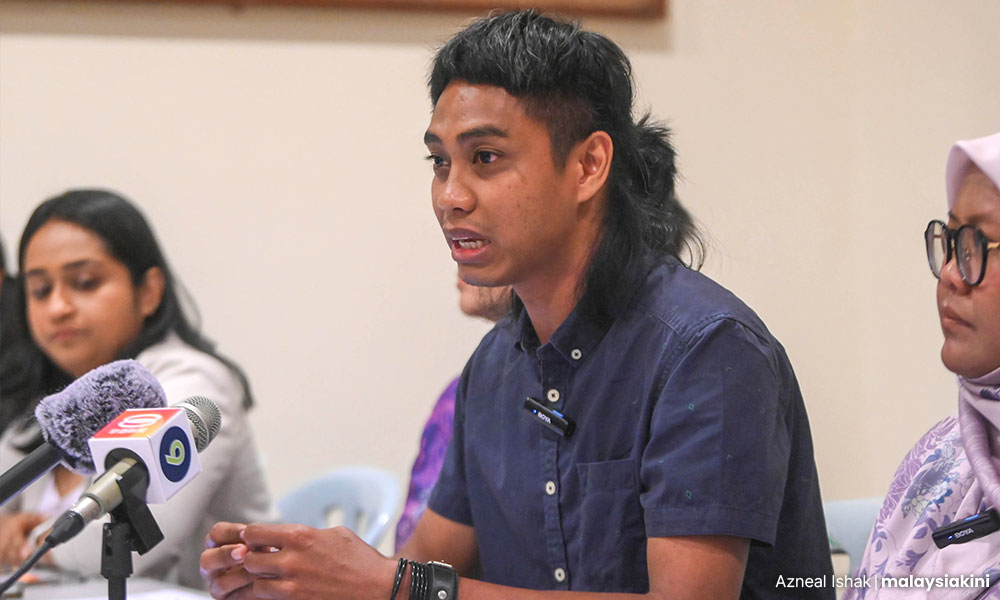
“Today, they are in Putrajaya. The home minister is a member of the Harapan coalition, but the Home Ministry has proposed an amendment to the Federal Constitution regarding citizenship which is cruel and inhumane to Malaysian children who are undocumented or stateless,” said Wong, who finally got his citizenship in July after a 16-year struggle.
Wong, who was born in Keningau Hospital, Sabah, lost his Sarawakian father when he was 10 years old. His mother of uncertain nationality passed away when he was 17.
Making matters worse
Meanwhile, Family Frontiers president Suri Kempe said the proposed amendments will not address the issue of statelessness.
She said they only worsened the situation and would result in the emergence of a new group of people who do not have citizenship in Malaysia.
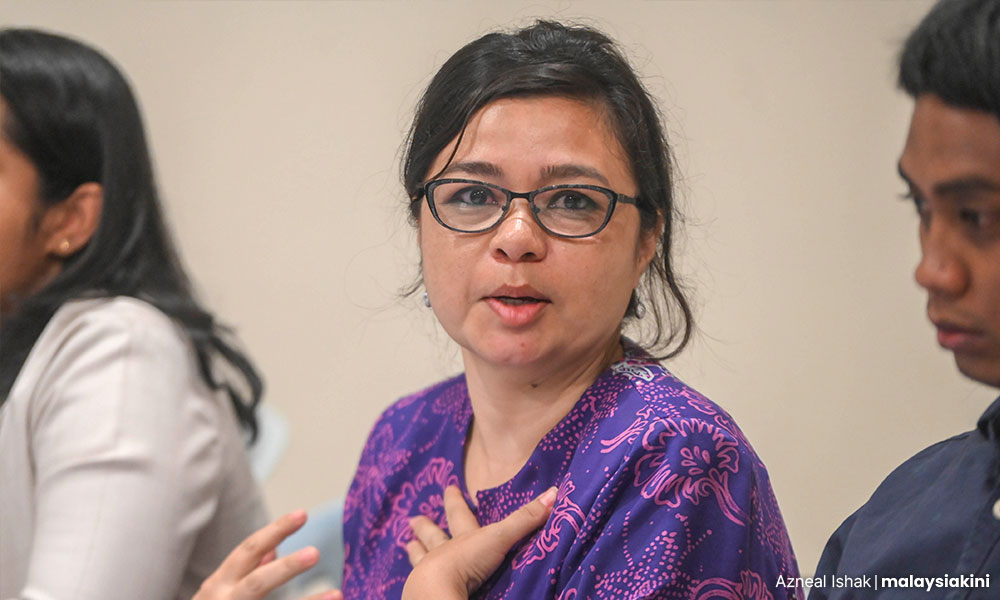
“These amendments are not only intended to close the loopholes in the Constitution but are intended to give absolute power to the home minister and the National Registration Department, making it almost impossible to find a solution if a person’s application for citizenship is rejected.
“These amendments are an attempt to legitimise the procedural restrictions that have been used arbitrarily by the authorities, some of which have been declared by the court to be contrary to the Constitution and a violation of fundamental rights,” she said.
/file/publisher-c1a3f893382d2b2f8a9aa22a654d9c97/2023/11/1646ca105f242117439800b38cd85db2.jpg)
/file/publisher-c1a3f893382d2b2f8a9aa22a654d9c97/2022/07/bf941cc01b9ae9cfdc68ee69982bc3be.jpg)
/file/publisher-c1a3f893382d2b2f8a9aa22a654d9c97/2022/07/e2fde57c63fbc6a4b924c69cf63ada38.jpg)
/file/publisher-c1a3f893382d2b2f8a9aa22a654d9c97/2023/09/e3362750c72049ab5999f19395583496.jpg)


Report this comment
Are you sure you want to delete this comment?
This action cannot be undone.