


/file/publisher-c1a3f893382d2b2f8a9aa22a654d9c97/2024/02/ce5441c0a3e8b8125b2bc5481a4ca7b8.jpg)

Saifuddin: We'll get feedback before setting migrant worker deals
The government has vowed to involve key stakeholders in migrant worker recruitment as it starts work to review the memorandums of understanding (MOU) between Putrajaya and workers’ sending countries.
The MOUs will determine the process in which workers are recruited and supplied to Malaysian employers and is key in ensuring workers’ welfare.
Addressing key stakeholders on the matter yesterday...
The government has vowed to involve key stakeholders in migrant worker recruitment as it starts work to review the memorandums of understanding (MOU) between Putrajaya and workers’ sending countries.
The MOUs will determine the process in which workers are recruited and supplied to Malaysian employers and is key in ensuring workers’ welfare.
Addressing key stakeholders on the matter yesterday, Home Minister Saifuddin Nasution Ismail pledged to engage with relevant stakeholders and has called for names to be submitted to his team so consultations can commence soon.
“I promise to get you involved,” Saifuddin (above) told a room of local and regional stakeholders at the Working Meeting on Reimagining the Management of Migrant Workers in Malaysia that closed yesterday.
This comes as thousands of migrant workers have been caught up in recruitment quota frauds, leaving them jobless in Malaysia.
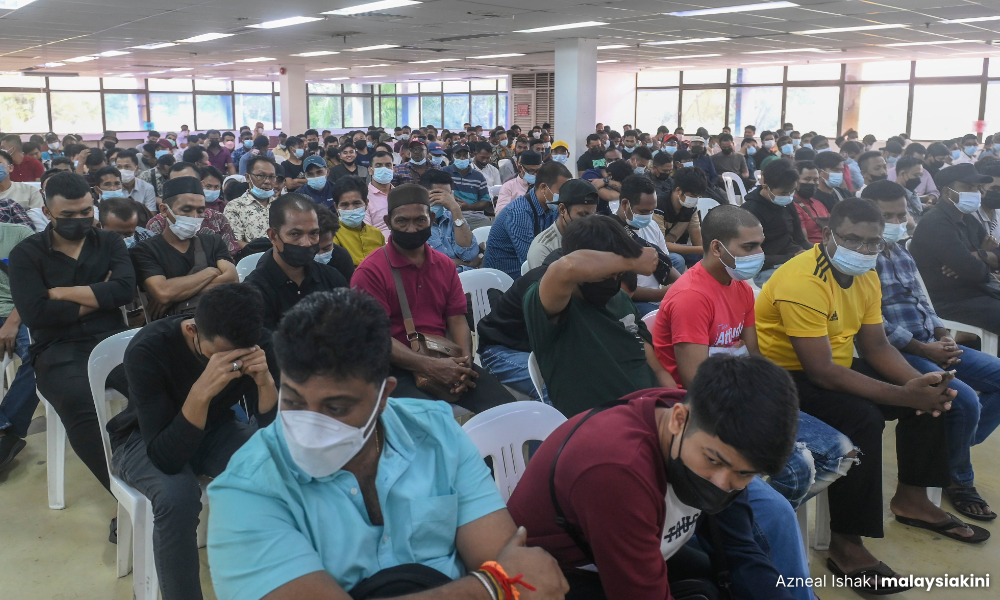
Many also continue to be entrapped in debt bondage after taking on large loans to pay for high recruitment fees.
At the session yesterday, Saifuddin also expressed his commitment to transparency by stating his willingness to make the MOU public.
“The spirit is to improvise (the MOUs) and to protect the interest of Malaysia and that of the source country.
“We are currently collecting feedback and are on a timeline. We need to hold the stakeholder meetings very soon,” he said, adding that his team would need to wrap up stakeholder consultation before going to migrant-sending countries for negotiations.
The workshop on migrant management co-organised by Monitoring Sustainability of Globalization (MSN) and Migrant Forum Asia (MFA) saw the participation of local and regional stakeholders including Malaysian employers.
Sending countries should do the same
Migrant Forum Asia (MFA) regional coordinator William Gois said if Malaysia was engaging stakeholders, it should demand reciprocal transparency from sending countries.
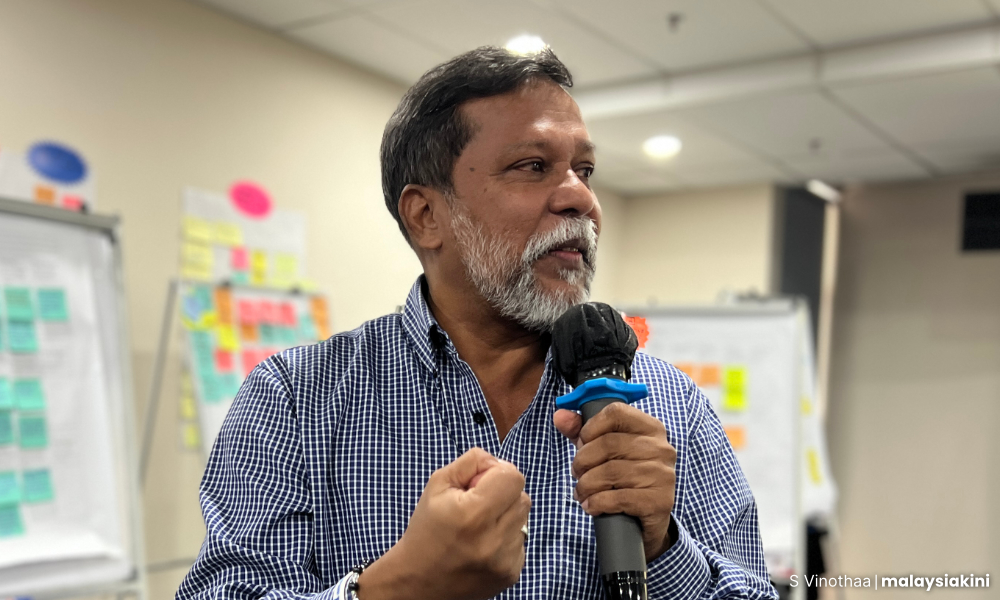
“Accountability is crucial on both sides.
“Let’s not be pretentious about cleaning up the market (labour migration) because it is soiled on both sides.
“Migration requires reliability on both sides. No matter how much you tighten up on your side, the other end must be as reliable as you can possibly make it,” he said.
Gois has reviewed Malaysia’s current MOU with Indonesia, Bangladesh and Nepal, and said the MOUs needed to be changed completely.
He said Malaysia needed to have a standard MOU with all countries based on the country’s labour laws and the government’s guarantees.
“There needs to be a draft MOU that stakeholders can review within a stipulated time frame before the final documents are signed,” he advised.
Zero recruitment fees
Other issues raised at the workshop include a savings scheme for migrant workers, regulating recruitment agents and agencies on both sides of the migration process and zero recruitment fees.
Gois suggested one effective way to address zero recruitment fees was for Malaysia to make a big media splash in migrant-sending countries on the actual processing fees imposed by the government for migrant placements.
“For example, make a statement in Bangladesh, that Bangladeshis seeking employment in Malaysia that if they were paying more than RM2,500, something is wrong.
“Then it becomes public information in the respective migrant-sending countries,” he said.
Name list submission
Former Klang MP and MSN director Charles Santiago said he would be submitting a name list of relevant stakeholders to the ministry within a week.
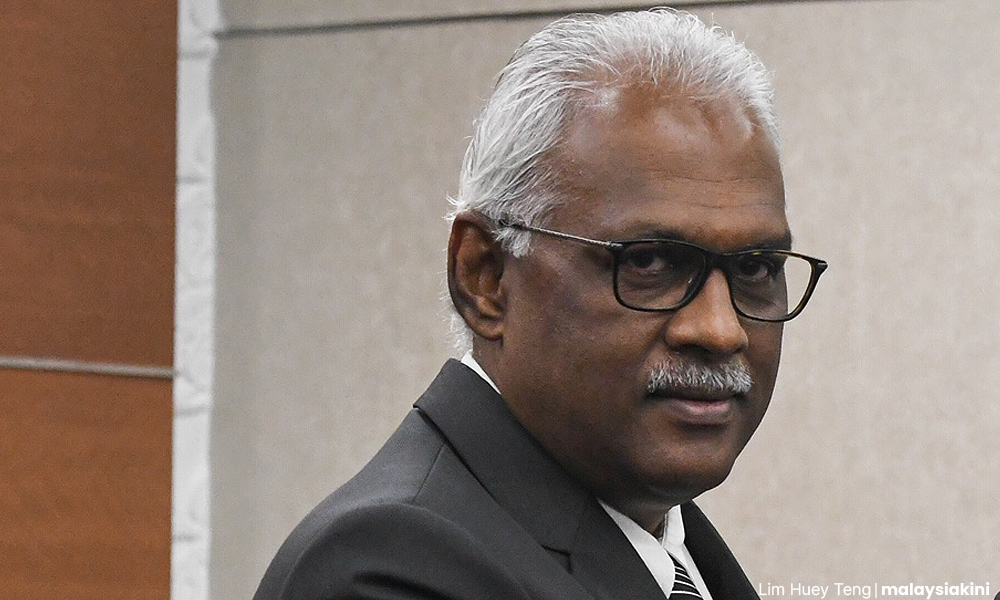
“We will include representatives from trade unions, local and regional civil society, academics, journalists and individuals who have been working on the migration issue.
“The MOU should be transparent and once completed, translated to the local language of migrant sending countries,” Charles said.
Meanwhile, Gois said the MOUs are crucial to address issues plaguing labour migration in Malaysia.
He suggested labelling the MOU as a bilateral agreement for stronger binding, emphasising that even the International Labour Organisation viewed the two documents differently.
“Set up a joint committee on both sides of the corridor that will look into the implementation of the agreement and report back to the governing body.
“The joint committee should also include stakeholders but those who did not work on the draft MOU and those who can monitor, like Suhakam," said Gois.
/file/publisher-c1a3f893382d2b2f8a9aa22a654d9c97/2024/02/802dec28973d4d171c63cd1b6586d09e.jpg)
/file/publisher-c1a3f893382d2b2f8a9aa22a654d9c97/2024/02/9bcb72c346ddc18997f1401a8a157f05.jpg)
/file/publisher-c1a3f893382d2b2f8a9aa22a654d9c97/2021/01/7d046e327c610e312ce1e28697431904.jpg)
/file/publisher-c1a3f893382d2b2f8a9aa22a654d9c97/2020/01/b424e9a0670b0a904dbc94f208e7c207.jpg)


Report this comment
Are you sure you want to delete this comment?
This action cannot be undone.