


/file/publisher-c1a3f893382d2b2f8a9aa22a654d9c97/2024/02/5da51eb359397344d94f500f31d3bc13.jpg)

Home minister denies blocking formation of media council
He said the Home Ministry has no issue with the setting up of the council.
“I have been asked about...
Home Minister Saifuddin Nasution Ismail has denied rumours that the ministry is trying to block the forming of a media council, which is in its final stage.
He said the Home Ministry has no issue with the setting up of the council.
“I have been asked about this issue since yesterday if it is true that the ministry is against this media council. I was shocked to hear this. This matter has been discussed in the previous cabinet meeting.
“I then checked with the ministry secretary-general to find out if there was any part we said that disagreed with it.
“But there was none. This is not true,” he told reporters in Putrajaya today.
Adding further, Saifuddin said the media council will be under the Communications Ministry’s purview instead of the Home Ministry.
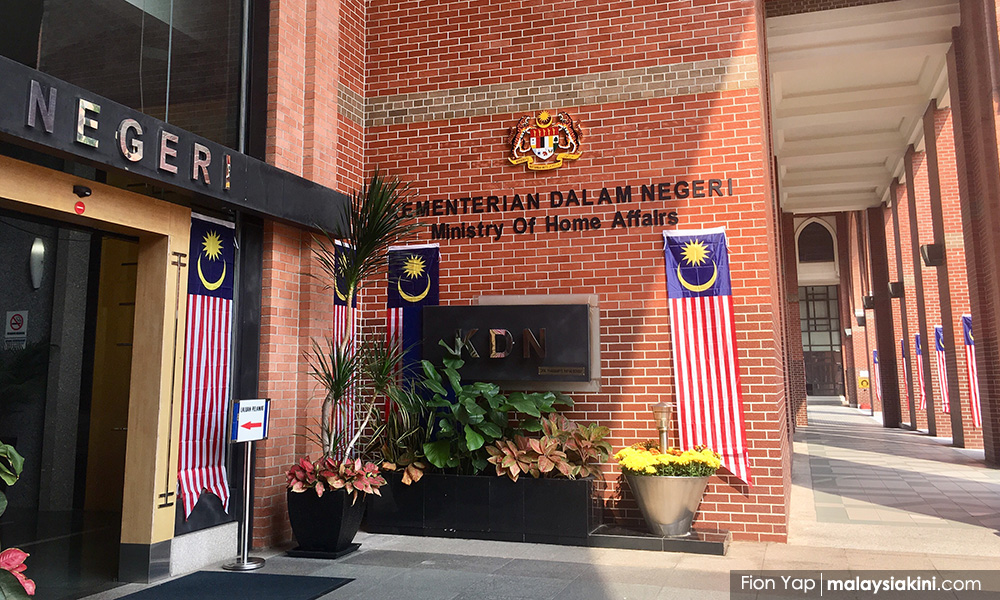
“Before this matter was discussed, a proposal had been submitted to the relevant ministries. On the Home Ministry side, we replied saying that we have no objection.
“(However), when this media council is set up, we will monitor some overlapping issues from the perspective of law enforcement. Because we also have our Enforcement and Control Division.
“Because the media council will have its own enforcement arm. So, we want to harmonise it. That’s all,” he said.
Previously, Communications Minister Fahmi Fadzil said the government is in the final stages of drafting the Media Council Bill before presenting it to the cabinet.
He said it took some time to set up the council as the process involved the Attorney-General’s Chambers, and will also need a decision by the cabinet.
Amending compounds in PPPA
Meanwhile, Saifuddin also denied rumours that his ministry was planning to amend the Printing Presses and Publications Act 1984 (PPPA) to exert control over online news portals.
“I was also asked if the Home Ministry plans to amend the PPPA, where we allegedly want to control online media.
“This too is untrue. We have no such plan.
“What we want to amend now is only the part about compounds regarding certain violations of the law. That is it. No such thing as law amendment to exert control over online media,” he said.
Saifuddin said the ministry also has no intention to repeal the act.
He said this when asked if the media council would be a regulator for media organisations in Malaysia.
“Is the Home Ministry now moving towards repealing PPPA? Not on our radar so far,” he said.
Regulating the media
The law, which requires print media publications to have a government-issued permit to publish, has been panned as a barrier to media freedom in Malaysia as it forces publishers to toe the line to ensure their permits are not revoked.
At present, the law, which has been used to shut down newspapers in the past, does not control online media, allowing online publications like Malaysiakini greater freedom to report.
The Malaysian Communications and Multimedia Commission (MCMC) is currently the regulator of online media content.

MCMC is empowered by the Communications and Multimedia Act 1998 (CMA) to control all online content published in Malaysia, which includes online journalism.
Online media was spared as part of the government’s pledge not to censor the internet under the 1998 Multimedia Super Corridor Bill of Guarantees.
However, there are various other laws which govern online media, including the CMA, Sedition Act, Official Secrets Act, and Contempt of Court.
Malaysiakini then-editor-in-chief Steven Gan and then-chief executive officer Premesh Chandran were charged under the CMA with uploading an offensive video of former attorney-general Mohamed Apandi Ali. The charges were later dropped.
This is not the first time the government is looking at amending the act to include online media.
In 2006, under the BN government, then-deputy internal security minister Fu Ah Kiow said the government was studying extending the PPPA to online media to “level the playing field”.
In 2011, under then-prime minister Najib Abdul Razak, the government amended the PPPA to remove the requirement for an annual publishing permit.
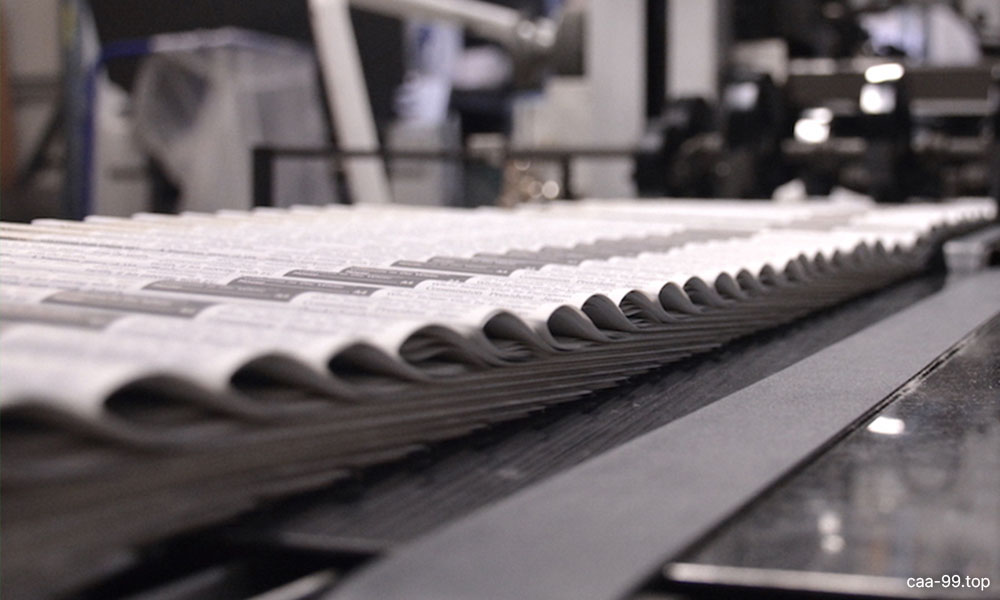
However, rights groups said it still allowed major control by the government as the minister still had the sole discretion to revoke a printing permit, decide who gets issued a permit, and who is allowed a printing press licence.
Further, the law is still used to ban publications deemed “undesirable”, and was last year used to ban several Swatch watches for containing elements in support of the LGBT community.
Hard to take media council seriously
Previously, the Centre for Independent Journalism said the media council could only be successful if the PPPA is repealed.
“Efforts to set up a media council started decades ago and mainly did not succeed because the government would not abolish the PPPA.
“To have both the PPPA and the media council exist simultaneously would defeat the purpose of having a self-regulatory body to regulate media standards.
“It would be difficult for the public and the media industry to take the media council seriously if the Home Ministry still had the power to send show-cause letters to the media, summon editors, and threaten to revoke licences,” it said in a statement in 2020.
At the time, the Pakatan Harapan government had kicked off the process of forming the self-regulatory council, but plans were stalled by the Sheraton Move.
Engagement sessions and work on drafting the bill were revived when Anwar Ibrahim took over as prime minister after the 15th general election in November 2022.
However, there is no indication that Anwar’s government will repeal the PPPA as it pushes ahead with forming the council.
/file/publisher-c1a3f893382d2b2f8a9aa22a654d9c97/2024/02/e16af2d586662419ea27bbdc190b045a.jpg)
/file/publisher-c1a3f893382d2b2f8a9aa22a654d9c97/2024/02/c161f9dccc1c0473509e36d4474c98f2.jpg)
/file/publisher-c1a3f893382d2b2f8a9aa22a654d9c97/2023/09/a5b1898ae5242c491b0c339a3aeb74c7.jpg)
/file/publisher-c1a3f893382d2b2f8a9aa22a654d9c97/2024/02/213ef616c462befdb258f87d517531ef.jpg)


Report this comment
Are you sure you want to delete this comment?
This action cannot be undone.