


/file/publisher-c1a3f893382d2b2f8a9aa22a654d9c97/2023/09/b8f8185c74e2fcb7f3d1c4ef20cb4184.jpg)

'Self-censorship' indicates precarious media landscape: Advocates
Acts of “self-censorship” are clear indications of a concerning atmosphere in the local journalism landscape, said media freedom advocates.
This comes after Deputy Communications Minister Teo Nie Ching said that she believed major media outlets imposed self-censorship when the latter decided to “blackout” a disabled e-hailing driver’s press conference about his alleged assault by Johor Regent Tunku Ismail Sultan Ibrahim’s escort.
The DAP leader said this during a podcast session...
Acts of “self-censorship” are clear indications of a concerning atmosphere in the local journalism landscape, said media freedom advocates.
This comes after Deputy Communications Minister Teo Nie Ching said that she believed major media outlets imposed self-censorship when the latter decided to “blackout” a disabled e-hailing driver’s press conference about his alleged assault by Johor Regent Tunku Ismail Sultan Ibrahim’s escort.
The DAP leader said this during a podcast session with Malaysiakini’s Chinese site yesterday and denied there was government censorship on the issue.
“Let’s not pretend that there are no ‘friendly texts or calls’ to the editors from someone in the office of the powers that be.
“Let’s not pretend writers and publishers are not being ‘gently’ reminded of how a story or headline should be written by someone not in the industry,” Gerakan Media Merdeka (Geramm) spokesperson Radzi Razak told Malaysiakini.
The disabled e-hailing driver Ong Ing Keong held a press conference on May 31, claiming an alleged police cover-up regarding his case.
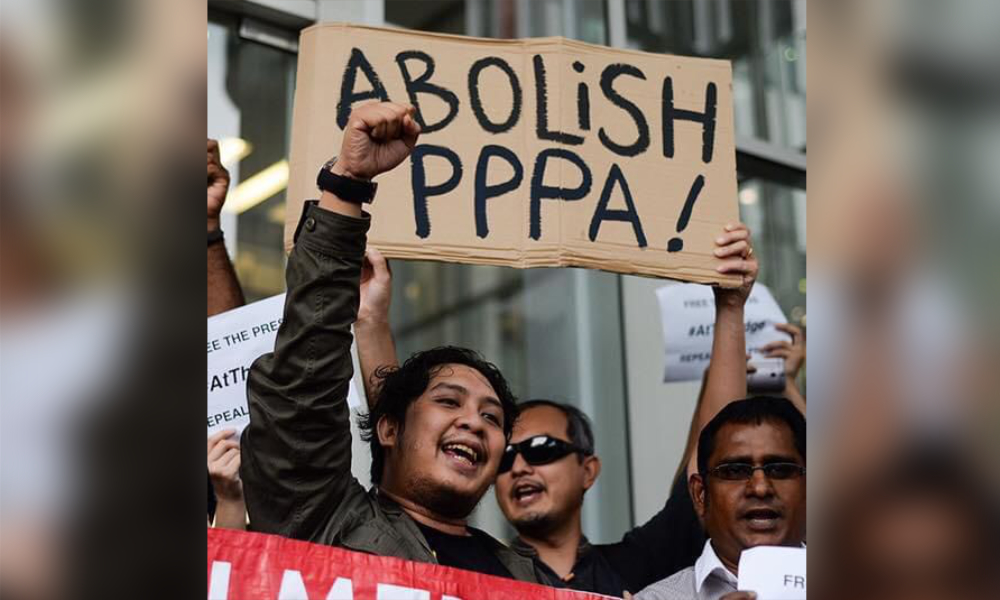
While several notable media did not report the presser, those who did include Malaysiakini, Sinar Harian, Sin Chew Daily, Nanyang Siang Pau, China Press, Guang Ming Daily, Kwong Wah Yit Poh, The Vibes, The Malaysian Insight, Scoop, and MalaysiaNow.
Astro Awani also published an article from the press conference but the article is no longer accessible.
Touching on Teo’s comments, Radzi said her claims signal a failing democracy and urged the government to address the issue.
“When criticism is silenced, there will be a false sense of security, which could make the government more authoritarian or the masses increasingly disillusioned with the powers that be,” he said.
‘Chilling effect’
Echoing the same view, Taylor’s University Peace, Justice, and Strong Institution Impact Lab director Benjamin Loh questioned why Teo suggested self-censorship instead of other possible reasons.
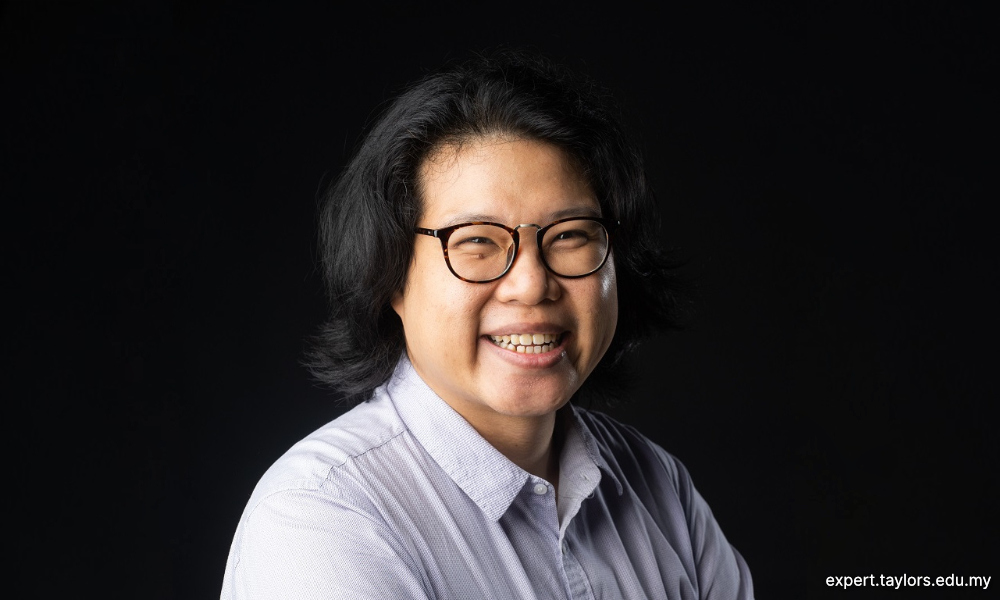
Taking the matter to X, Loh said that if Teo believed it was self-censorship, she should explain her position and propose a safer environment for the media.
“Self-censorship happens when the overarching media environment is hostile towards media outlets if they speak out against the government or other powerful elites.
“For the government to themselves infer that it is self-censorship, this represents a far more chilling effect,” he said.
Loh added that if the media self-censors, such action would cultivate a more authoritarian government as critics silence themselves.
/file/publisher-c1a3f893382d2b2f8a9aa22a654d9c97/2024/06/a0e1dc199c401e321b365c7e0fc43329.jpg)
/file/publisher-c1a3f893382d2b2f8a9aa22a654d9c97/2024/04/6570574ea2a9e115ee6738e10d5e4233.jpg)
/file/publisher-c1a3f893382d2b2f8a9aa22a654d9c97/2024/03/810aa35583e31890aa3b89758da58bd9.jpg)
/file/publisher-c1a3f893382d2b2f8a9aa22a654d9c97/2019/08/15608a2b5d638d1bc786a28b0afd9358.jpg)
/file/publisher-c1a3f893382d2b2f8a9aa22a654d9c97/2024/05/73ccecc46d831fd1f0449bc5e3964eb3.jpg)


Are you sure you want to delete this comment?
This action cannot be undone.