


/file/publisher-c1a3f893382d2b2f8a9aa22a654d9c97/2024/04/c544427cff4d9986eb92b6a2d4a408d5.jpg)

Anwar: Past PMs wanted subsidy rationalisation but feared move
Prime Minister Anwar Ibrahim said the government has been discussing subsidy rationalisation since the 1990s when he was the finance minister.
He said while all the previous premiers agreed that it was necessary, none took action because it was not a popular decision.
“Nobody wanted to take action...
Prime Minister Anwar Ibrahim said the government has been discussing subsidy rationalisation since the 1990s when he was the finance minister.
He said while all the previous premiers agreed that it was necessary, none took action because it was not a popular decision.
“Nobody wanted to take action because it’s not popular.
“I went to Sungai Rokam and was constantly told off that Madani had become ‘Madanon’.
“But I have no problem. I answer with facts… I have gone through many things and am in my 70s.
“So what do I do? I want what’s best for the country. I want to prove that not all politicians are arrogant crooks who abuse the people,” he said during the Finance Ministry’s monthly gathering in Putrajaya today.
He said the easy way forward for politicians was to maintain subsidies despite there being leakages, as long as it brought in votes.
However, Anwar is convinced that the decision to remove blanket subsidies will help elevate the country’s status.
“I don’t care if people want to criticise me, but as long as I have the mandate, I will do it. When the time comes for me to go, I will go.
“But while I’m here, I will stay and fight for what is right to ensure Malaysia emerges as a great nation in Asia.”
The finance minister said that subsidies can no longer be channelled to the rich as well as foreigners.
“This is not discrimination against foreigners, but they don’t pay high taxes, and our government’s main responsibility is our people,” he said.
He added that the savings from these measures would be redirected to help those in need and not towards ministers’ allowances.
Elaborating further, he said it would fund the cost of public transport, Rahmah Basic Necessities Aid (Sara), and nine million recipients of Rahmah Cash Aid (STR).
Abdullah administration did it first
Contrary to Anwar’s claims, subsidy rationalisations had been carried out by past premiers, most notably Abdullah Ahmad Badawi.
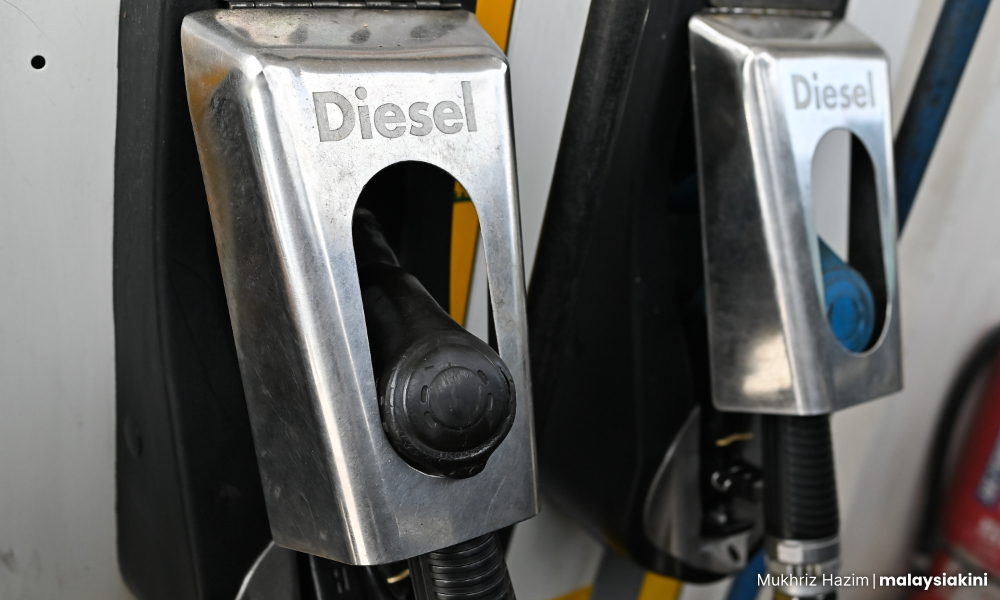
Under Abdullah, fuel subsidies at the pump were slashed several times - with occasional revisions to bring prices lower - albeit not completely removed as is being planned by the Anwar administration.
After a major hike in 2008, the Abdullah administration also introduced annual rebates that would be transferred to motorists to offset the hike in fuel prices.
Like Anwar, Abdullah argued that blanket subsidies were unfair as they benefited the rich and poor, and that he was also making an unpopular move for the sake of the people.
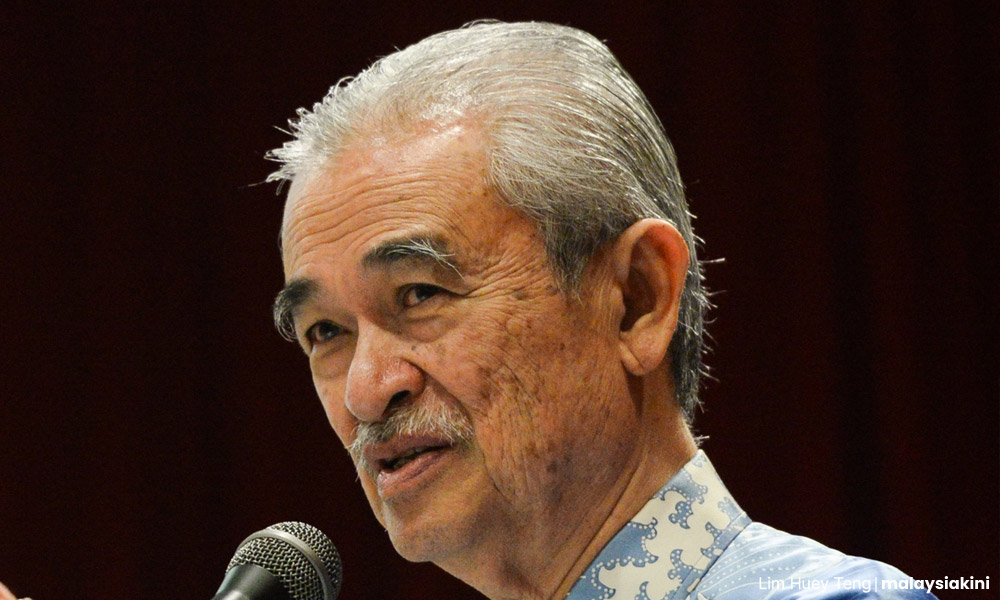
The fifth prime minister also claimed that savings from subsidy cuts would be used to fund public transport, but critics disputed the impact of this.
Anwar was critical of the Abdullah fuel hikes, saying it was “wanton in size and callous in effect”.
He said at the time that the hikes were the “compounded legacy of the now unsustainable secrecy in the way the profits of Petronas are disbursed and was also the cumulative effect of wanton waste in government expenditure”.
He also chastised the annual rebates offered then as being “meagre”.
The Anwar administration plans to make fuel subsidies targeted, starting with diesel, with plans to remove blanket subsidies for RON95 next.
The costs will be offset by monthly cash transfers. For diesel users, the monthly rebate is RM200.
/file/publisher-c1a3f893382d2b2f8a9aa22a654d9c97/2024/05/2c62e9d0203ef8f5ac99a8e1e80aaa14.jpg)
/file/publisher-c1a3f893382d2b2f8a9aa22a654d9c97/2024/03/b0d8447170cf9c28e9de6b9432c60b87.jpg)
/file/publisher-c1a3f893382d2b2f8a9aa22a654d9c97/2024/04/0d10e9457657dc337ca6fd2b0dc6160e.jpg)
/file/publisher-c1a3f893382d2b2f8a9aa22a654d9c97/2022/11/759849cc57d4b34d246280dbace6e378.jpg)
/file/publisher-c1a3f893382d2b2f8a9aa22a654d9c97/2024/06/818db70ae1127798facae40686ab3287.jpg)


Are you sure you want to delete this comment?
This action cannot be undone.