


/file/publisher-c1a3f893382d2b2f8a9aa22a654d9c97/2023/11/02dd2ecb10da7de4b638616638581743.jpg)

Heavier penalties await illegal e-waste importers: Minister
The Natural Resources and Environmental Sustainability Ministry will enforce amendments to the Environmental Quality Act 1974 (Act 127) that will see heavier fines imposed on parties involved in the illegal importation of electronic waste (e-waste).
Minister Nik Nazmi Nik Ahmad said the gazetting of the amendments, which will come into effect on July 7, would among other things see a maximum fine of up to RM10 million imposed on those who commit offences under the act.
He said the fine increased from only RM500,000...
The Natural Resources and Environmental Sustainability Ministry will enforce amendments to the Environmental Quality Act 1974 (Act 127) that will see heavier fines imposed on parties involved in the illegal importation of electronic waste (e-waste).
Minister Nik Nazmi Nik Ahmad said the gazetting of the amendments, which will come into effect on July 7, would among other things see a maximum fine of up to RM10 million imposed on those who commit offences under the act.
He said the fine increased from only RM500,000 previously to curb any importation, smuggling and placement of electronic scheduled waste whether via land, at sea or in transit without the approval of the Environment Department (DOE).
“The ministry through the DOE will continue to beef up monitoring and enforcement on the importation of e-waste used by the recycling industry.
“Strict action will be taken against any importer who fails to comply with the rules and laws that have been set, including sending the imported e-waste container back to the country of origin per Article 9 of the Basel Convention,” he said.
He said this at a press conference after inspecting containers seized by the Customs Department containing e-waste categorised as scheduled waste under the Environmental Quality (Scheduled Waste) Regulations 2005 at West Port today.
Nik Nazmi (above) said based on Customs Department information, as many as 106 of the 301 containers detained from March 21 to June 19 contained e-waste believed to be illegally imported from Western countries.
He said he would bring the report of operations carried out by DOE and Customs Department to the knowledge of the cabinet to find ways to improve the enforcement aspect because it involves different ministries.
Harsher penalties
The bill, which was approved by the Dewan Rakyat on March 25, involves the amendment of Section 28 of Act 127, which among other things includes the strengthening of punishment with a minimum fine of not less than RM5,000 and a maximum fine not exceeding RM10 million while the mandatory imprisonment is not exceeding five years.
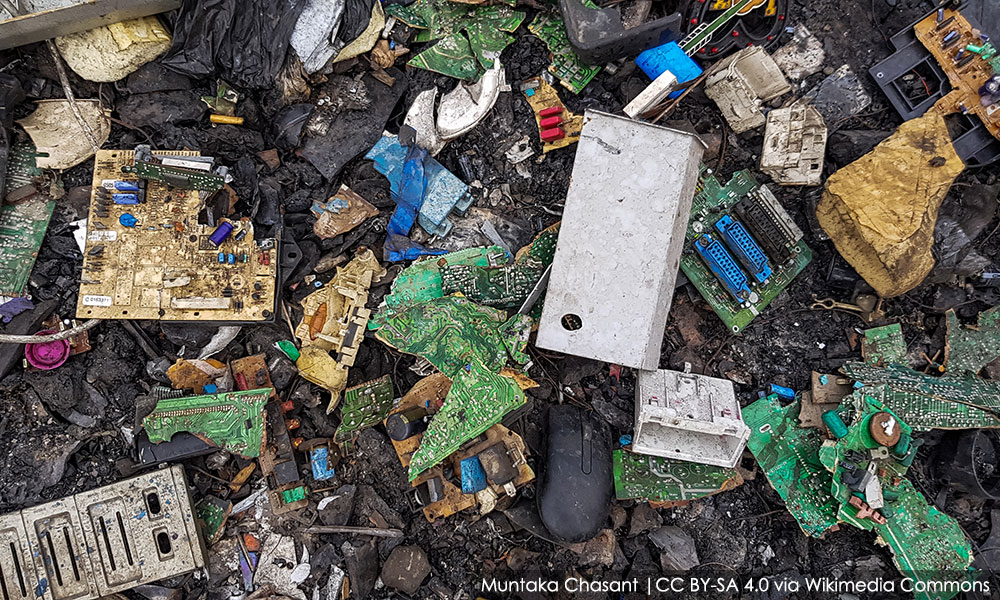
It covers setting a maximum fine of RM10 million for offences involving water pollution, oil waste pollution, waste in Malaysian waters and illegal disposal of scheduled waste.
The mandatory imprisonment of not exceeding five years is imposed for offences involving the illegal disposal of scheduled waste, water pollution and non-compliance with the requirements of the Environmental Impact Assessment Report (EIA).
In other developments, Nik Nazmi said his ministry through the Malaysian Meteorological Department is closely monitoring the development of La Nina, which is expected to bring more humid weather between July and September.
He said the ministry would also work with several other ministries, particularly the Housing and Local Government Ministry to prepare for the phenomenon.
- Bernama
/file/publisher-c1a3f893382d2b2f8a9aa22a654d9c97/2024/01/3bd7bc2102b9f6a856531b1f50feb737.jpg)
/file/publisher-c1a3f893382d2b2f8a9aa22a654d9c97/2024/02/942f05c28136cea494d27cbdabfc7d36.jpg)
/file/publisher-c1a3f893382d2b2f8a9aa22a654d9c97/2024/04/504a3f9b837838814fc3b4c59335f2c9.jpg)
/file/publisher-c1a3f893382d2b2f8a9aa22a654d9c97/2023/12/efcfebf309b98f7dd1ccc9fa697b574d.jpg)
/file/publisher-c1a3f893382d2b2f8a9aa22a654d9c97/2023/07/428d625e461ae6b0ca0f6b296083fd00.jpg)
/file/publisher-c1a3f893382d2b2f8a9aa22a654d9c97/2022/04/85f52c7171caf419ba8babc3dbc13327.jpg)


Are you sure you want to delete this comment?
This action cannot be undone.