


/file/publisher-c1a3f893382d2b2f8a9aa22a654d9c97/2024/08/71afe9bfa996ebada9d99791c47f22b1.jpg)

RimbaWatch calls for halt to T'ganu oil palm project
Environmental watchdog Rimbawatch is calling for a 2,228.67ha oil palm project in Terengganu’s Kuala Nerus district to be scrapped.
In a statement today, RimbaWatch said it was concerned by the proposal to develop 2,228ha of oil palm on a virgin peat swamp forest in Terengganu for a project titled “Projek Penanaman Kelapa Sawit, Kelapa dan Buah-Buahan” (Oil Palm, Coconut and Fruits Plantation Project).
The entire project is located...
Environmental watchdog Rimbawatch is calling for a 2,228.67ha oil palm project in Terengganu’s Kuala Nerus district to be scrapped.
In a statement today, RimbaWatch said it was concerned by the proposal to develop 2,228ha of oil palm on a virgin peat swamp forest in Terengganu for a project titled “Projek Penanaman Kelapa Sawit, Kelapa dan Buah-Buahan” (Oil Palm, Coconut and Fruits Plantation Project).
The entire project is located within the former Belara Forest Reserve, and all of the land is forested. However, it was controversially revealed to have been degazetted in 2020.
“Such a project will cause habitat loss, including several endangered species and the loss of carbon stocks.
“The mitigation measures proposed by the project proponent are inadequate and unreasonable given the gravity of the expected environmental impacts, indicating that the impact of this project cannot be mitigated.
“Further, the project is inconsistent with Malaysian and Asean policies, international commodity standards and the Malaysian Sustainable Palm Oil certification,” said RimbaWatch.
It said this indicates that not only is the project potentially technically illegal, but it is also commercially unviable.
Earlier this month, an environmental impact assessment (EIA) was published for the project which is being proposed by Pure Green Development Sdn Bhd.
Inadequate EIA process
The EIA is in the public consultation stage until today, after which the Environment Department (DOE) will review the public feedback.
RimbaWatch said it believes that the fact that such a proposal could proceed to the stage of a schedule 2 EIA, passing preliminary approval stages such as terms of reference, highlights the inadequacy of the DOE’s existing EIA process.
RimbaWatch calls for the following actions to be taken:
The DOE to reject the EIA.
The Terengganu government to re-gazette the Belara Forest Reserve in its entirety.
The federal government to amend the EIA screening process to ensure that projects which are inconsistent with Malaysia’s legal frameworks are made ineligible for entry into the EIA process at all stages.
“The degazettement attracted controversy from a number of organisations including the Malaysian Nature Society, who had recorded the presence of great hornbills in the forest, classified as vulnerable by the International Union for Conservation of Nature, and dusky langurs, which are near-threatened.
“Furthermore, peat swamp forests are one of the most carbon-intensive ecosystems in the world, storing significantly more carbon than other terrestrial forests, making it a high carbon stock forest,” said RimbaWatch.
Affected species
It also said the project will affect 257 species of trees, shrubs and grasses, 90 species of birds, 51 species of reptiles and amphibians, 43 species of mammals and 30 species of fish.
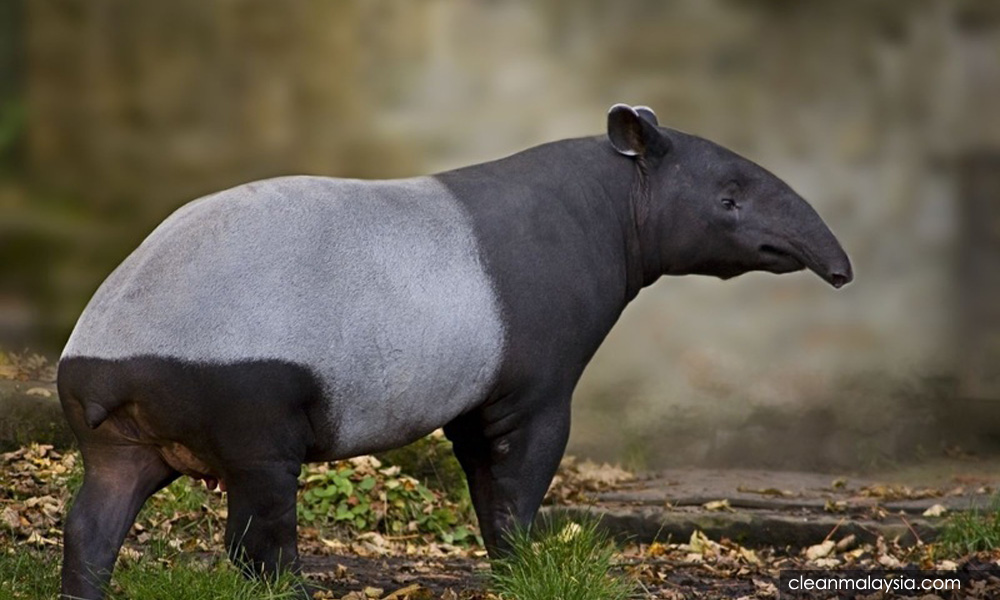
“This includes endangered species such as the Malayan tapir, long-tailed macaque and Malayan sun bear.
“According to the EIA, all locals surveyed expected human-wildlife conflict to be exacerbated by this project.
“The mitigation measures proposed by the EIA consultant for these environmental impacts are excessively inadequate.
“No mitigation measures whatsoever are proposed for the loss of carbon stocks, with the only measures related to emissions addressing smoke from heavy machinery and open burning,” added the group.
/file/publisher-c1a3f893382d2b2f8a9aa22a654d9c97/2023/07/449bc7056db9bbfb7c7f4876104395af.jpg)
/file/publisher-c1a3f893382d2b2f8a9aa22a654d9c97/2024/05/a4473431cdc133fceb1700c611bf04b2.jpg)
/file/publisher-c1a3f893382d2b2f8a9aa22a654d9c97/2024/05/12e6f94bb879970708e3367c1248ee71.jpg)
/file/1210/87f7aa629412dddf2bab116185558a8a.jpeg)


Are you sure you want to delete this comment?
This action cannot be undone.