


/file/publisher-c1a3f893382d2b2f8a9aa22a654d9c97/2022/06/85c3128a312970567bb6999585cf30e5.jpg)

Respect non-Muslims' houses of worship, MCA leader tells T'ganu mufti
MCA vice-president Wee Jeck Seng urged Terengganu mufti Mohamad Sabri Haron to respect the sanctity of non-Muslim houses of worship.
This came after Sabri was reported as saying that it was permissible for Muslims to enter non-Muslim places of worship to spread Islam.
“The mufti’s recent remarks...
MCA vice-president Wee Jeck Seng urged Terengganu mufti Mohamad Sabri Haron to respect the sanctity of non-Muslim houses of worship.
This came after Sabri was reported as saying that it was permissible for Muslims to enter non-Muslim places of worship to spread Islam.
“The mufti’s recent remarks are regrettable. I urge all citizens, especially political, religious and social leaders to revisit Malaysia's founding spirit.
“Let’s acknowledge that Malaysia is a diverse nation where one's religious views should not be imposed on others,” Wee (above) said in a statement.
On Aug 4, Sinar Ahad reported Sabri as saying that Muslims are permitted to enter places of worship of other religions to spread Islamic teachings and principles.
He also emphasised that Muslims should not equate Islam with other religions as it contradicts the principles of faith, highlighting Islam’s unique status as recognised by Allah.
“We can’t go (to houses of worship of other religions) without a purpose. Come to introduce Islam and to preach, allowed.
“It is not the purpose of stating that Islam is the same as other religions,” Sabri was reported as saying.
Yesterday, the Malaysian Consultative Council of Buddhism, Christianity, Hinduism, Sikhism and Taoism (MCCBCHST) criticised Sabri for his views and urged him to respect the rights of all persons and adhere to the correct interpretation of the Federal Constitution.
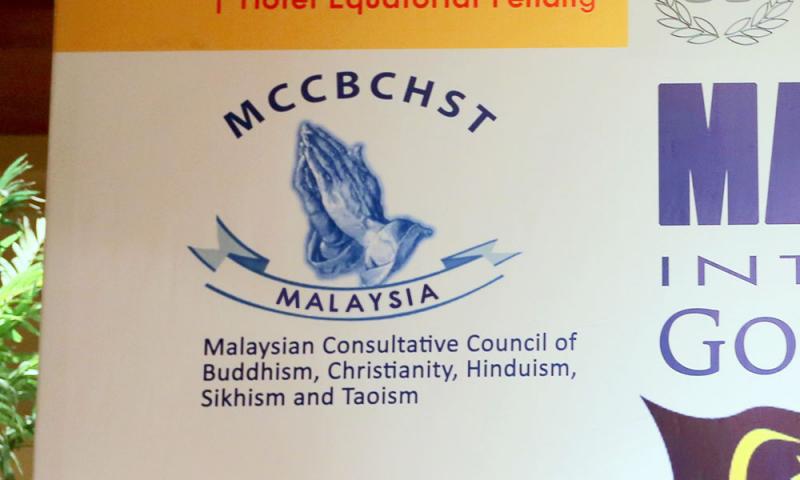
The group reminded the mufti that all places of worship are sacred, and the community has the right to stop other religious groups from proselytising in their space.
Rise in religious provocations
Concurring with MCCBCHST’s views, Wee said the mufti’s comments could undermine the sanctity of non-Muslim places of worship and foster hostility between religions.
With that said, the MCA leader expressed concerns over the increasing frequency of religious provocations and incidents in the country.
“In recent times, we have repeatedly seen incidents where dress codes infringing upon people's freedom of attire, Terengganu banning non-Muslim female singers from performing at Chinese temple events and leaders or followers of different religions giving inappropriate remarks, all of which undermine national and racial harmony.
“In our daily interactions and dealings with others, we strive to respect one another.
“Why, then, when it comes to religious matters or speeches by leaders, is it difficult to uphold the principles of tolerance, understanding and respect?” he asked.
Wee then urged governments at all levels to formulate colour-blind policies, following universal principles to uphold the country's pluralistic and moderate system.
“We cannot allow provocative rhetoric and extreme actions to become the norm in society.
“As we celebrate the 67th year of our independence, we should be moving towards a more open and progressive society, embracing and respecting religious differences of every Malaysian to maintain national harmony and stability,” he stressed.
/file/publisher-c1a3f893382d2b2f8a9aa22a654d9c97/2020/06/f157fe876f28f156b981e1861826bc0d.jpg)
/file/publisher-c1a3f893382d2b2f8a9aa22a654d9c97/2024/08/5e27896e06caf15086ba35a3cc3c3558.jpg)
/file/1037/d9dc22957e354343fd1865e73ef273f2.jpg)
/file/publisher-c1a3f893382d2b2f8a9aa22a654d9c97/2023/11/57360f6d02fa1ad081adfeb5e9f30499.jpg)
/file/publisher-c1a3f893382d2b2f8a9aa22a654d9c97/2024/08/275f255deb3c9755dd9b163de6894af1.jpg)


Report this comment
Are you sure you want to delete this comment?
This action cannot be undone.