


/file/publisher-c1a3f893382d2b2f8a9aa22a654d9c97/2022/12/8fde8817a2e5e02d350fd76645a12789.jpg)

NGO wants review of AG's sole authority in determining prosecution
Global Human Rights Federation (GHRF) has urged the government to review the attorney-general’s ultimate authority in deciding whether to prosecute or drop charges against alleged offenders.
Its president S Shashi Kumar said this due to the Attorney-General’s Chambers (AGC) decision not to prosecute hate preachers despite evidence stacked against the alleged perpetrators.
Global Human Rights Federation (GHRF) has urged the government to review the attorney-general’s ultimate authority to decide whether to prosecute or drop charges against alleged offenders.
Its president S Shashi Kumar said this due to the Attorney-General’s Chambers (AGC) decision not to prosecute hate preachers despite evidence stacked against the alleged perpetrators.
“In the name of comparative religion, they (hate preachers) attack and insult other religions and faiths.
“Many police reports have been lodged, and this matter has even been investigated and brought to the AGC, but the latter always classify it as no further action,” he told Malaysiakini in an interview.
In 2021, GHRF filed for private prosecution under Section 133 of the Criminal Procedure Code against Islamic preachers Muhammad Zamri Vinoth and Firdaus Wong.
However, on Sept 3 of that year, magistrate Mohamad Redza Azhar Rezali dismissed the application, with the Shah Alam High Court affirming the dismissal of the private prosecution bid last year.
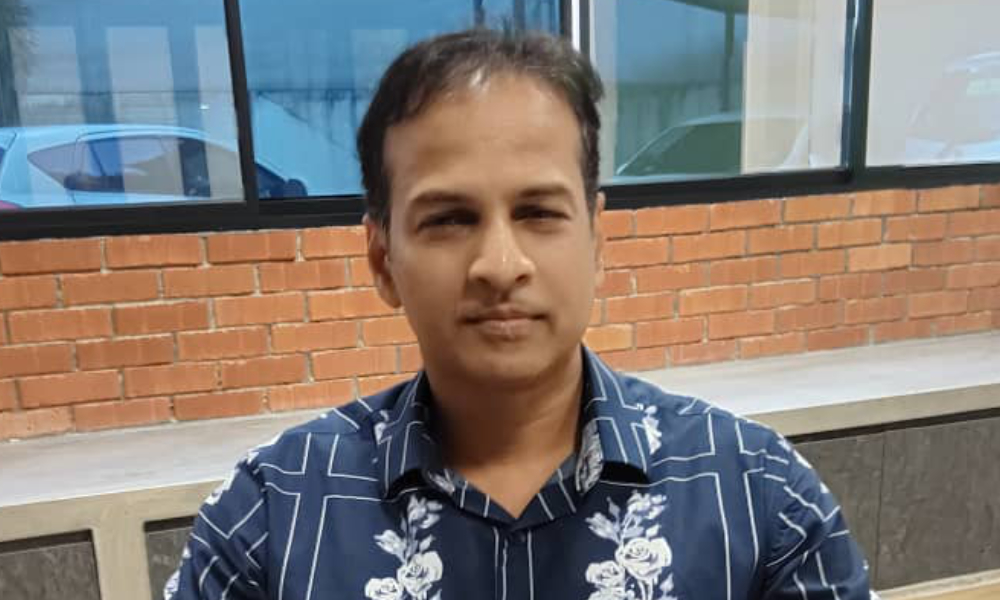
Shashi had since approached the Court of Appeal for redress.
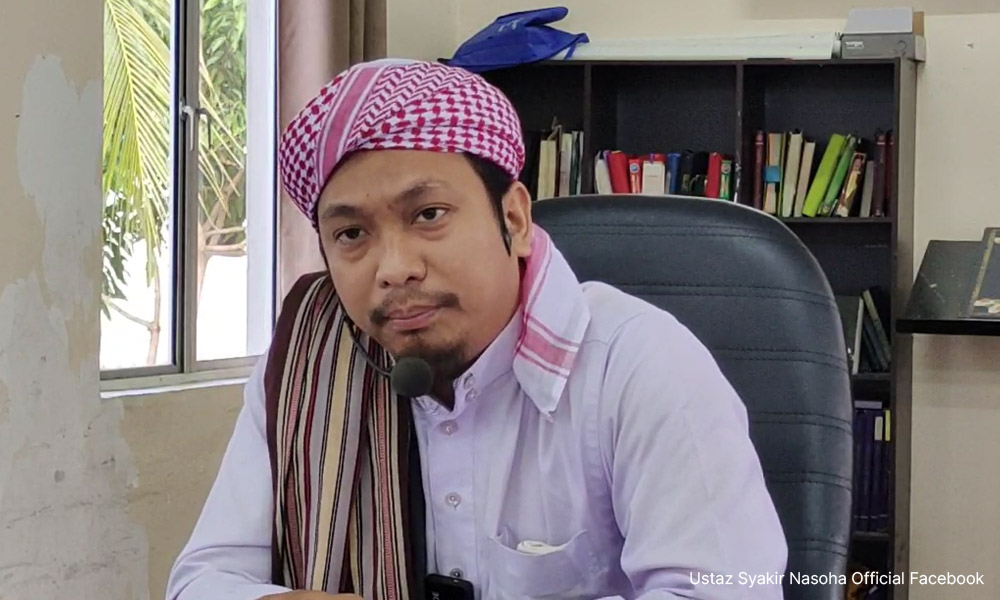
Separately, the AGC had also decided not to prosecute another preacher, Syakir Nasoha, who was found making disparaging remarks against Hindus, Buddhists and Christians.
On Sept 26, 2023, the Kuala Lumpur High Court denied leave for five groups, including GHRF, to proceed with judicial review to compel the AG and inspector-general of police to prosecute Syakir.
Under Article 145 of the Federal Constitution, the AG has the power, exercisable at his discretion, to institute, conduct or discontinue any proceedings for an offence, other than proceedings before a syariah court, a native court, or a court martial.
Get CJ involved
Offering solutions, Shashi suggested amending Article 145 to ensure a check and balance to the AG’s powers.
“The Constitution should be amended to have the AG consult the chief justice before deciding to prosecute or drop charges,” he opined.
Shashi said the authorities’ inaction against hate preachers is fuelling discontent among non-Muslims as they feel an injustice has been perpetuated against them.
ALSO READ: No country harping on race, religion has succeeded: NGO leader
“Check social media and see their comments. They feel there is no justice for non-Muslims.
“They have lost hope in our judicial system and the enforcement agencies,” he added.
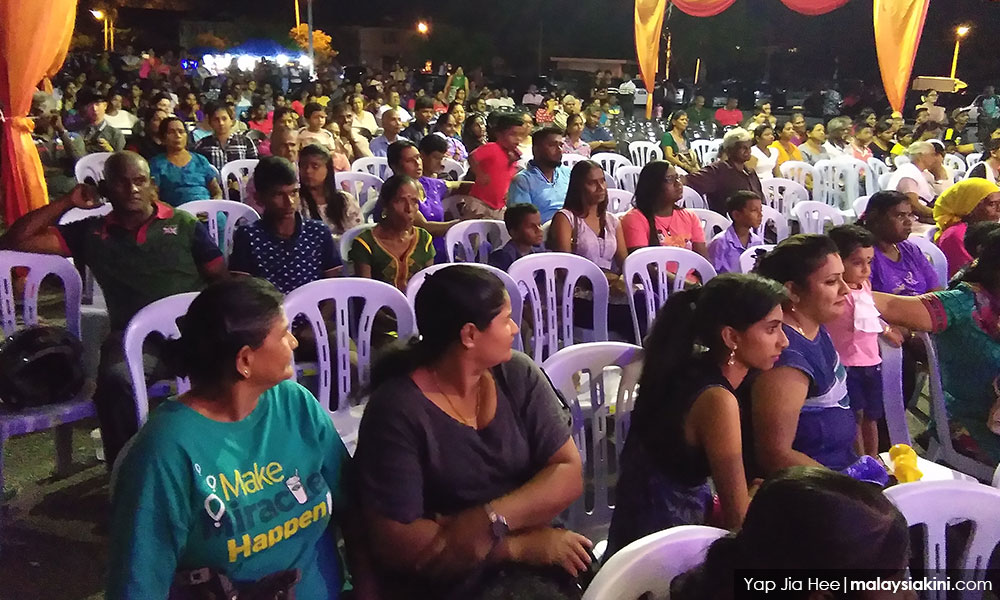
He said this also contributes to the problem of non-Malays avoiding the Malay community in several ways.
“They feel since you’re treating me like a second- or third-class citizen… we keep away from you.
“These people won’t interact with the Malays and decide not to offer employment to them,” he claimed, adding the community is bearing the brunt of the mistakes of a few.
Shashi also lashed out at Malay political leaders and related NGOs for keeping mum when hate preachers strike.
“We are not against Islam but just against certain individuals (hate preachers).
“And we just want justice as per Article 8 of the Federal Constitution which guarantees equality before the law.”
Suhakam a failure
When asked about Suhakam, Shashi called the human rights body a failure.
Citing its history, the NGO leader said Suhakam did little to champion human rights issues in Malaysia since its inception in 1999.
“Until today, we hardly see them voicing out against discrimination of minorities.
“And I was miffed when a few years ago, Suhakam actually conducted a colouring contest for Dec 10, which is International Human Rights Day.
“Are they getting paid to organise colouring contests? They should be handling major human rights issues, but that is not happening,” he said.
Shashi also rued former prime minister Ismail Sabri Yaakob’s decision to appoint Rahmat Mohamad as Suhakam chairperson in July 2022 despite the latter’s controversial involvement in the government backtracking on inking the Rome Statute in 2019.
“The problem is, these people are political appointees (by the government).
“As long as the commissioners are being appointed in this matter, Suhakam is not going to go far.”
Rahmat quit Suhakam in August 2023, and former Court of Appeal judge Hishamudin Yunus succeeded him in July this year.
Shashi was also puzzled by Suhakam’s inefficiency despite millions in government funding and employing about 80 staff.
“They are getting RM10 million annually and are now demanding more but what are they doing (to fight for human rights)?
“Look at us, GHRF, for example; we are doing much more using our own funds compared to the human rights body,” he pointed out.
PSSC scrutiny
Shashi called for reform in the appointment of Suhakam commissioners, urging the parliamentary special select committee to vet candidates first.
He also urged Suhakam to engage human rights NGOs frequently to understand the situation on the ground.
While Shashi lauded Suhakam for investigating the disappearance of Pastor Raymond Koh and Amri Che Mat, he claimed that it was only done as the cases received international attention.
“If it had not (investigated), it would’ve looked bad,” he alleged.
/file/publisher-c1a3f893382d2b2f8a9aa22a654d9c97/2019/12/25bc28153ae117ff6ee86f76f9d3fbe6.jpg)
/file/publisher-c1a3f893382d2b2f8a9aa22a654d9c97/2024/07/d89f02c18ebd018a712a6742c2dd8d7e.jpg)
/file/publisher-c1a3f893382d2b2f8a9aa22a654d9c97/2024/03/05e10cacaa4d0c5a579710c936984bd6.jpg)
/file/publisher-c1a3f893382d2b2f8a9aa22a654d9c97/2021/09/e93c750421fdbfe036beb2a0ebcfb22d.jpg)


