


/file/publisher-c1a3f893382d2b2f8a9aa22a654d9c97/2023/10/5fdd3104b1f5200fa53949985d79ff69.jpg)

World Bank upgrades M'sia's growth forecast to 4.9pct
The World Bank Group has upgraded Malaysia’s economic growth forecast to 4.9 percent in 2024, an increase of 14 percent from its initial 4.3 percent forecast set in April, according to Apurva Sanghi, its lead economist for Malaysia.
He said both domestic and external factors back the upgraded growth forecast as the global economy is doing much better than expected six months ago.
On the domestic front, Apurva (above) said the positive economic momentum, rising political stability, and an increasingly conducive policy environment that boosts and mobilises more investments...
The World Bank Group has upgraded Malaysia’s economic growth forecast to 4.9 percent in 2024, an increase of 14 percent from its initial 4.3 percent forecast set in April, according to Apurva Sanghi, its lead economist for Malaysia.
He said both domestic and external factors back the upgraded growth forecast as the global economy is doing much better than expected six months ago.
On the domestic front, Apurva (above) said the positive economic momentum, rising political stability, and an increasingly conducive policy environment that boosts and mobilises more investments, have contributed to the upgraded growth projection.
“Global growth is expected to stabilise at around 2.6 percent this year, despite ongoing geopolitical tensions and high interest rates, while inflation is receding, so there is a new appetite for growth especially in advanced economies.
“Malaysia is in a good place. In emerging markets in general, (there are) positive trends in consumer confidence, manufacturing and services,” he told the media during a briefing of the October 2024 Malaysia Economic Monitor at the World Bank office in Kuala Lumpur today.
High-income status within reach
According to Apurva, Malaysia’s per capita output growth - which is used to measure welfare - is 12 percent higher than the pre-pandemic level, outperforming its Asean peers.
“This means that high-income status for Malaysia is within reach - based on our assumption of the US dollar against the ringgit at the 4.54 level and with an average growth rate of 4.3 percent, we expect Malaysia to reach the high-income nation status by 2028.
“If the US dollar and ringgit exchange rate stays at the current level of about 4.20, then the high-income goal (could be reached) a year earlier in 2027,” he said, adding that the high-income nation is not the same as a high development nation and that there is always a risk of reversal.
On the ringgit, Apurva said its recent strong performance reflected improved investor sentiment due to three factors - US monetary policy easing, stronger domestic economic data in the second quarter, and important reforms by the government.
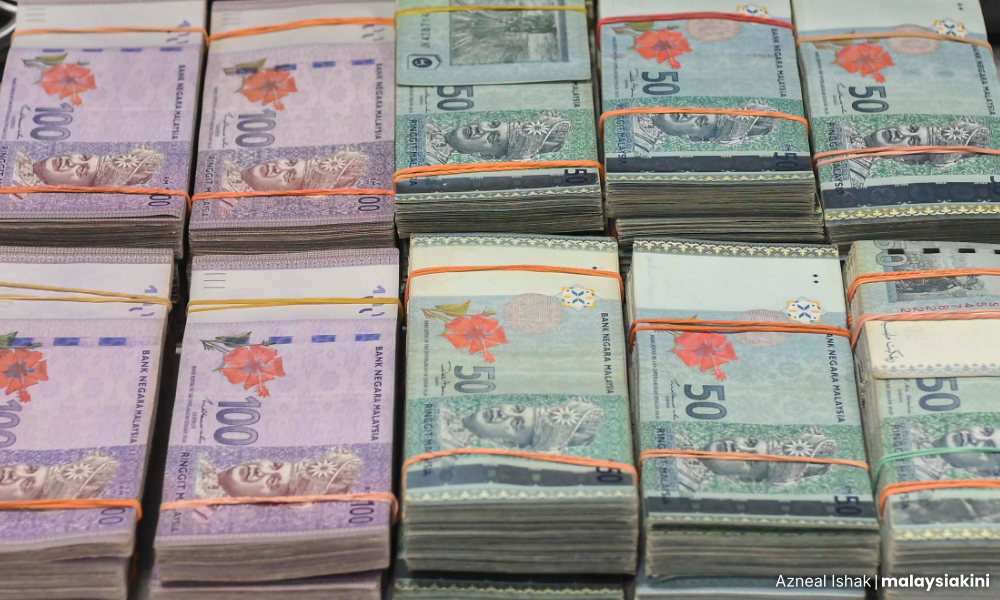
“I believe that all these factors have bolstered investor confidence and increased demand for the ringgit. Let’s not forget that the highly specific targeted initiatives by the government and Bank Negara Malaysia’s effort to repatriate funds and improve the functioning of the currency market have further supported the ringgit,” he added.
In the meantime, Apurva said Malaysia saw higher net foreign direct investment (FDI) inflows in the second quarter of 2024 compared to last year’s corresponding period, primarily in the services sector.
However, he noted that the country has high FDI restrictiveness according to the index developed by the Organization for Economic Co-operation and Development (OECD). Based on this index, Malaysia and Thailand have similar levels of FDI restrictions, which are less restrictive than Indonesia and the Philippines, but significantly more restrictive compared to Vietnam.
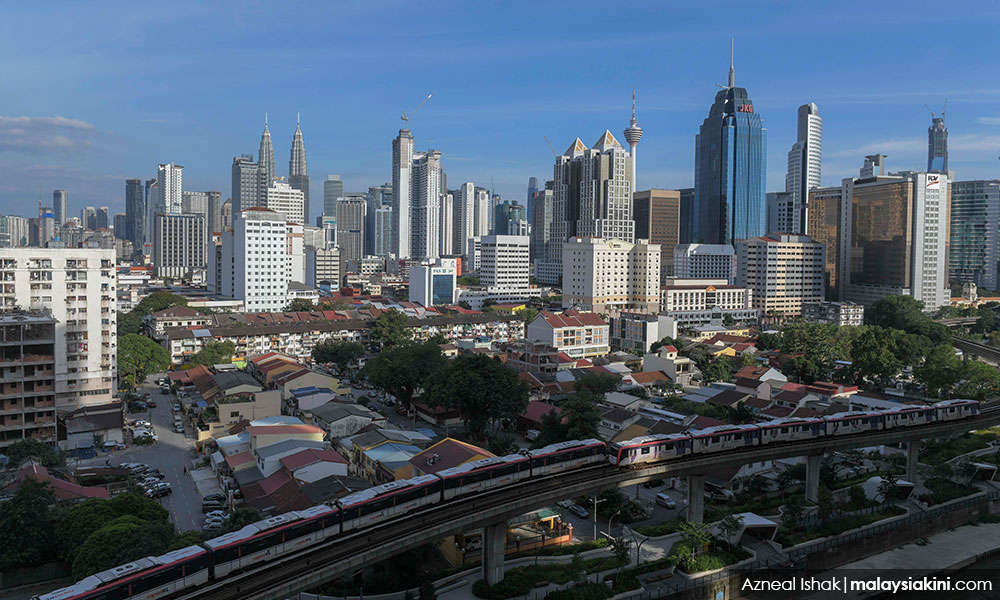
“There is a lot of variation within sectors, the sector that is least FDI restrictive is manufacturing, which is almost zero restrictive, but it is high in the upstream sectors such as distribution, electricity and financial services. In a way, relaxing the restrictiveness in the upstream sectors can increase productivity in the downstream sectors,” he added.
On the possibility of subsidy rationalisation for the RON95 petrol, Apurva reckons its success would depend on three things - timing, price level and narrative.
“Timing in particular (with) what is happening right now - geopolitical tensions that are already beginning to increase; price level is to make the subsidy rationalisation gradually; and very importantly, the narrative for the RON95 reform,” he said.
- Bernama
/file/publisher-c1a3f893382d2b2f8a9aa22a654d9c97/2024/07/ce83f45025550a90def7b662ad2e08f6.jpg)
/file/publisher-c1a3f893382d2b2f8a9aa22a654d9c97/2024/06/7b594cae3f293081b638587ed9142e1b.jpg)
/file/publisher-c1a3f893382d2b2f8a9aa22a654d9c97/2024/07/6b1edfc0887daa9cac78b9a822414ba5.jpg)


Report this comment
Are you sure you want to delete this comment?
This action cannot be undone.