


/file/publisher-c1a3f893382d2b2f8a9aa22a654d9c97/2024/10/94889519ed935b411fc5d3b193a86913.jpg)

Don't ask MPs to accept entire citizenship bill, says Syed Saddiq
PARLIAMENT | Muar MP Syed Saddiq Syed Abdul Rahman said lawmakers debating the proposed citizenship amendments should not be forced to accept the bill wholesale.
Instead, he said there are progressive and regressive elements to the proposed amendments, as identified by over 100 civil society organisations and prominent individuals working on issues including women's rights, child rights and citizenship rights.
"These groups have dedicated...
PARLIAMENT | Muar MP Syed Saddiq Syed Abdul Rahman said lawmakers debating the proposed citizenship amendments should not be forced to accept the bill wholesale.
Instead, he said there are progressive and regressive elements to the proposed amendments, as identified by over 100 civil society organisations and prominent individuals working on issues including women’s rights, child rights, and citizenship rights.
“These groups have dedicated their lives to defend the rights of women most at risk, the most marginalised... They raised objections to several problematic regressive amendments.
“They supported the good and opposed those deemed regressive,” said Syed Saddiq (above) in debating the Citizenship Amendment Bill in the Dewan Rakyat today.
“Do not force us (MPs) to accept everything. We accept the good and reject the bad so it can be further refined and improved.”
He also said this in response to Hannah Yeoh’s (Harapan-Segambut) earlier remark that “women are watching” the debates and there could be “repercussions” on those who did not support the amendments.
The former Muda president credited Home Minister Saifuddin Nasution Ismail for his ministry’s efforts to expedite approvals of citizenship applications but argued that the proposed amendments should include more protection for vulnerable groups.
Specifically, he cited children born in Malaysia - to parents who are both permanent residents - who will no longer be entitled to citizenship.
“This change opens up the risk of creating an entire generation of stateless people.
“This is a massive problem, and the negative impact way outweighs the positive impact,” he said, adding that Saifuddin might have noble intentions but at the same time could not be expected to look into tens of thousands of individual cases.
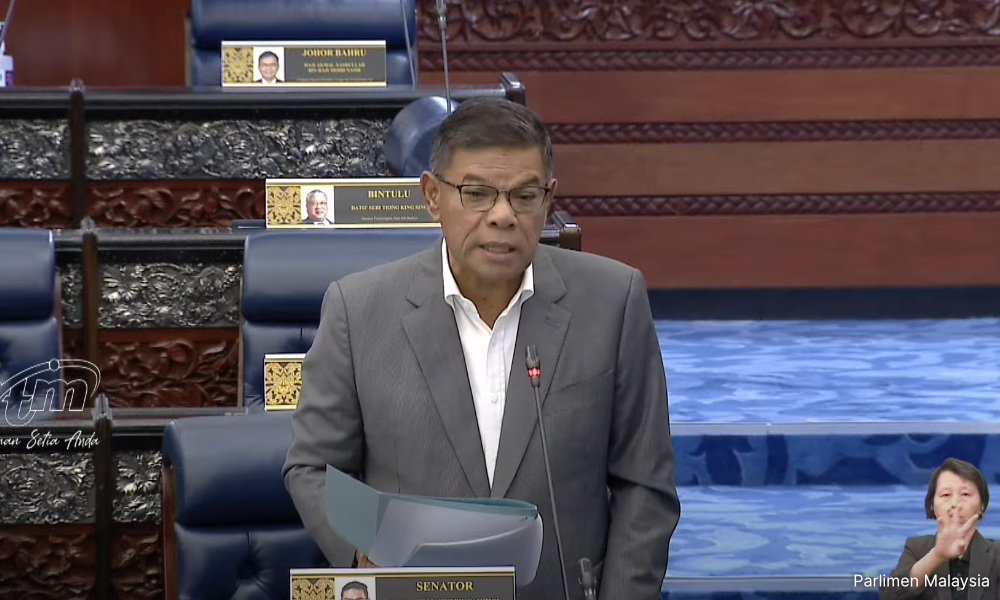
“With all due respect, it’s not about you minister, it’s about the system, there needs to be guardrails or pre-conditions in place to prevent these problems,” he stressed.
Review amendments
Syed Saddiq suggested that some proposed amendments be passed while others need to be reviewed.
“We can also proceed to pass the positive amendments, but delay the others pending further review. So that in future, even when the minister is no longer (in power), the system with safeguards will remain,” he said.
The proposed amendments involve the Second Schedule Part II, Article 14(1)(b) Section 1(a) of the Federal Constitution which currently states that anyone born in Malaysia to at least one parent who is a citizen or someone “permanently resident” in Malaysia is automatically granted citizenship.
The amendment seeks to remove the words “permanently resident”, so those born under those circumstances would no longer gain automatic citizenship and have to register.
According to the Human Rights Commission (Suhakam), this would affect communities such as the Orang Asal in rural Sabah who, despite being indigenous, do not have proper documentation.
Other MPs in the Dewan Rakyat who debated the amendment and called the government to protect Orang Asli and indigenous communities include Wong Shu Qi (Harapan-Kluang) and Mas Ermieyati Samsudin (PN-Masjid Tanah).
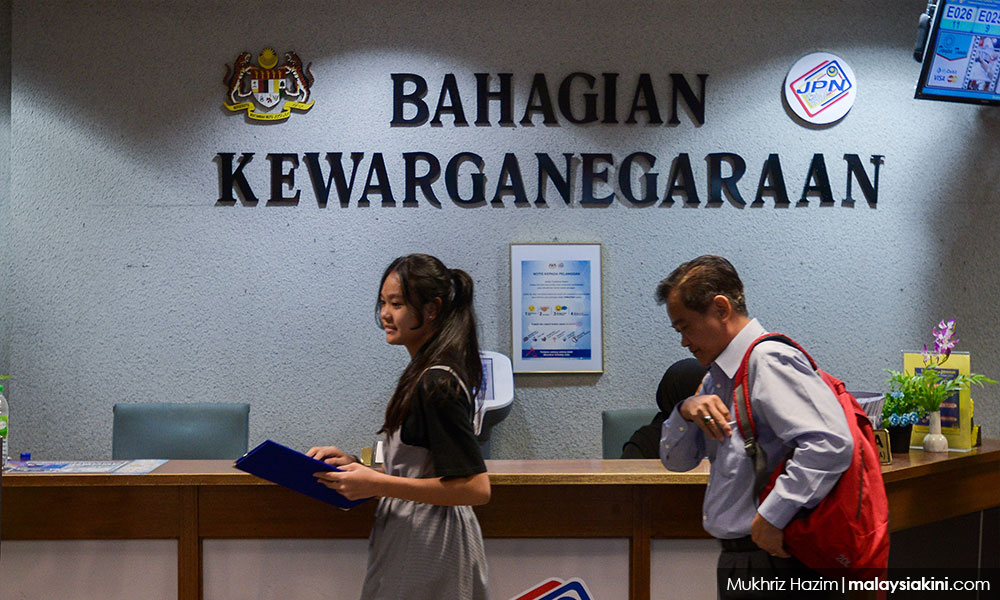
A majority of MPs who stood up to debate the long-awaited amendments echoed sentiments of support for changes that will provide women with equal rights to confer citizenship on their children born abroad with a foreign father.
‘Language requirement’
Other concerns raised included a requirement for individuals applying for citizenship to know the Malay language.
Takiyuddin Hassan (PN-Kota Bharu) said current regulations state that the government must be “satisfied” that an applicant has sufficient knowledge of the language, but there is no clear method for the process.
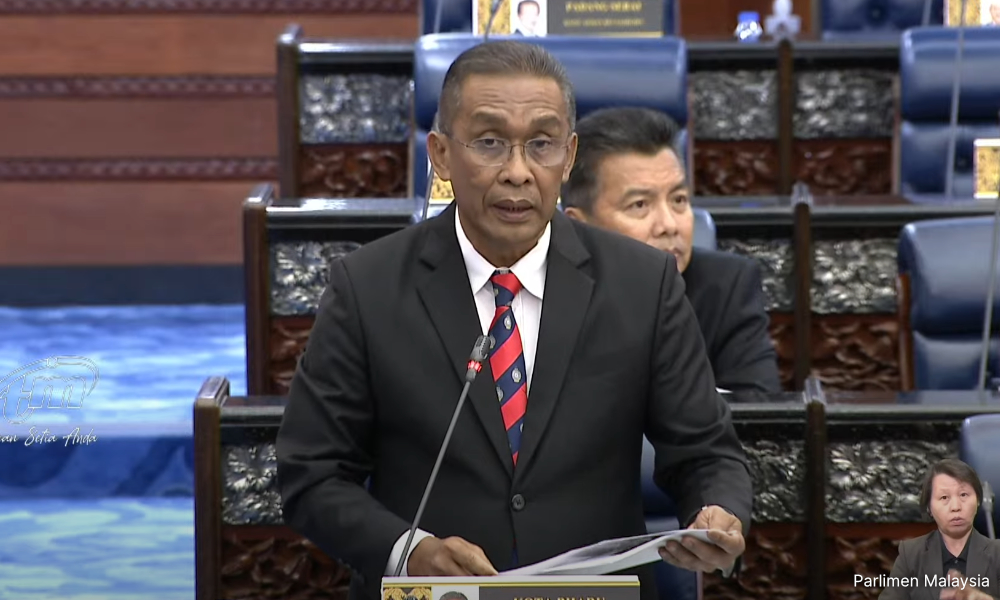
“And will children born overseas (and granted citizenship) also be required to have sufficient knowledge of the Malay language?” asked the PAS lawmaker.
Similarly, Abd Ghani Ahmad (PN-Jerlun) warned that only requiring “sufficient knowledge” could potentially threaten national unity among future generations.
“I propose the phrase ‘sufficient knowledge’ of Bahasa Melayu to be replaced with ‘an understanding of’ Bahasa Melayu.
“To me, there is a difference between knowing and understanding. If someone only has knowledge, it doesn’t mean they understand, but if they understand then they surely have the knowledge,” he said.
As such, he proposed for the National Registration Department to impose an oral test for all individuals applying for citizenship, with a requirement that must be met before approval.
/file/publisher-c1a3f893382d2b2f8a9aa22a654d9c97/2019/01/759a1a5dfd328c649ba539161da6bbf1.jpg)
/file/publisher-c1a3f893382d2b2f8a9aa22a654d9c97/2024/03/05e10cacaa4d0c5a579710c936984bd6.jpg)
/file/publisher-c1a3f893382d2b2f8a9aa22a654d9c97/2024/10/5db9cac7cbbb66c8a9d3a8aef7c49eba.jpg)
/file/publisher-c1a3f893382d2b2f8a9aa22a654d9c97/2024/10/1690a3b2be44386324c02de82d5b1fe8.jpg)


Report this comment
Are you sure you want to delete this comment?
This action cannot be undone.