


/file/publisher-c1a3f893382d2b2f8a9aa22a654d9c97/2024/10/47cf600a13a159f37911eab42695a661.jpg)

UKM: We celebrate differences in views, staff allowed to voice opinions
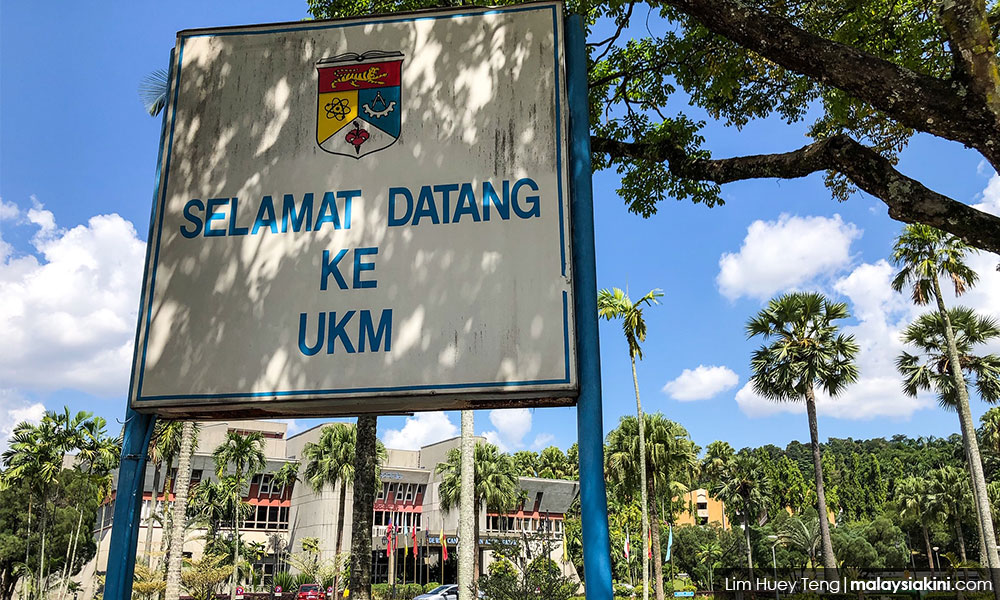
Universiti Kebangsaan Malaysia (UKM) said the university celebrates differences in opinion and does not hinder freedom of speech, rebutting claims that it has silenced its academics from publicly voicing their opinions.
It clarified that it does not prevent the freedom of expression of all its staff in giving statements either verbally or in writing, including on social media.
This was in response to a purportedly leaked memo from...
Universiti Kebangsaan Malaysia (UKM) said the university celebrates differences in opinion and does not hinder freedom of speech, rebutting claims that it has silenced its academics from publicly voicing their opinions.
It clarified that it does not prevent the freedom of expression of all its staff in giving statements either verbally or in writing, including on social media.
This was in response to a purportedly leaked memo from UKM prohibiting academics from making public statements which has courted strong criticism.
However, the university emphasised that statements need to be presented properly.
"The ethics and maturity of presenting views and arguments must be practised through good communication procedures and prudent critiques where every point of view must be supported with facts and the environment of scientific discipline and expertise," it said in a statement.
Yesterday, former education minister Maszlee Malik shared the leaked memo dated Oct 8.
It reminded UKM academics that they were prohibited from making public statements, including on social media, unless they had authorisation.
It also cautioned against making public statements, whether in oral, written, or other forms, “which can be detrimental to policies, plans or decisions by any statutory body or the government on any issues”.
Violations could result in disciplinary action, reinforcing the regulations set under the Statutory Bodies Act (Discipline and Surcharge) 2000 (Act 605), the memo warned.
UKM, in its response, said that as an institution that highly values public intellectuals, it consistently encourages its staff to speak out based on the tradition of knowledge and its role as a national university.
"Constructive public statements are highly encouraged as a vessel of knowledge and scientific discipline that is a catalyst for scientific discussion within UKM,” it added.
Govt meddling?
Former UKM professor P Ramasamy questioned the leaked circular.
"The initial circular from UKM’s acting registrar essentially endorsed the directive from the chief secretary to the government, which prohibits staff from making verbal or written statements contrary to the government’s aims and objectives.
"UKM was the first public university to endorse this directive, though it now seems to have softened its stance," he said in a statement.
He criticised the government’s apparent desire to regulate the production of knowledge and restrict critical publications, which suggested that it aims to keep academic discourse at a mediocre level, confined to works that uncritically endorse the ruling administration.
"In the subsequent clarification, UKM stated that it welcomes critical comments, provided they are aimed at improving government performance. However, the meaning of this follow-up statement remains unclear,” added Ramasamy, who UKM sacked in August 2005.
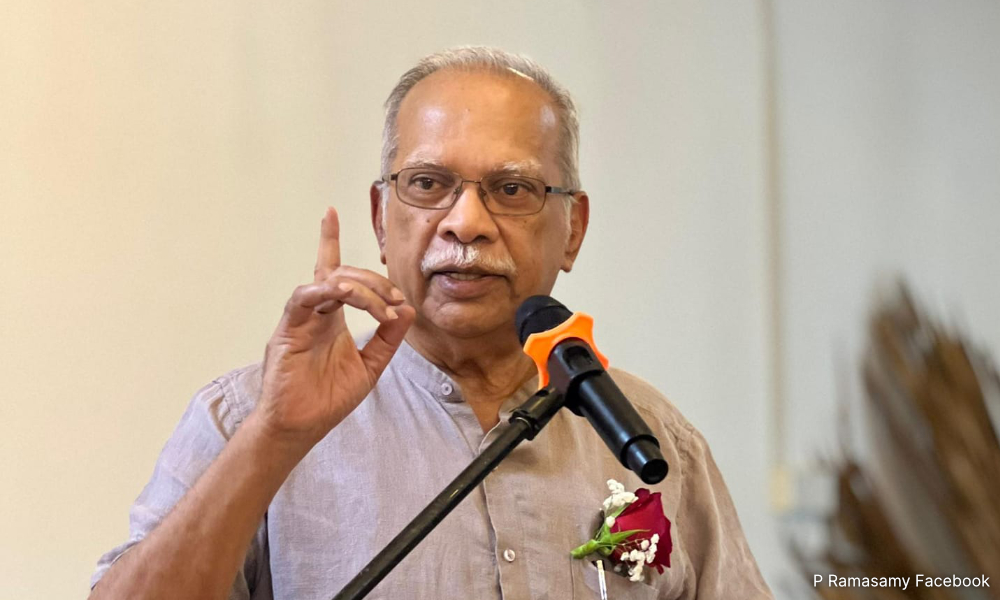
At the time of his sacking, he said that he was victimised and discriminated against for being outspoken and critical on many issues.
Liberalise academia
Ramasamy stressed that universities operate under different principles than government agencies, stating that the rules and regulations governing civil servants are far more stringent than those in academia.
“Even though public universities are taxpayer-funded, it is unnecessary to impose directives that demand compliance from academics in this manner,” he said.
The former Penang deputy chief minister urged the government to liberalise academia instead of imposing further controls on a group that is already heavily restricted by laws and regulations compared to other countries.
Ramasamy said that critical and challenging publications are essential for stimulating knowledge and expertise.
"Academics should not be expected to align their work with government policies; in fact, they are supposed to critically engage with those policies, particularly when they do not serve the public interest.
"It is particularly surprising that this directive, which discourages critical publications, came from the chief secretary of the so-called Madani government.”
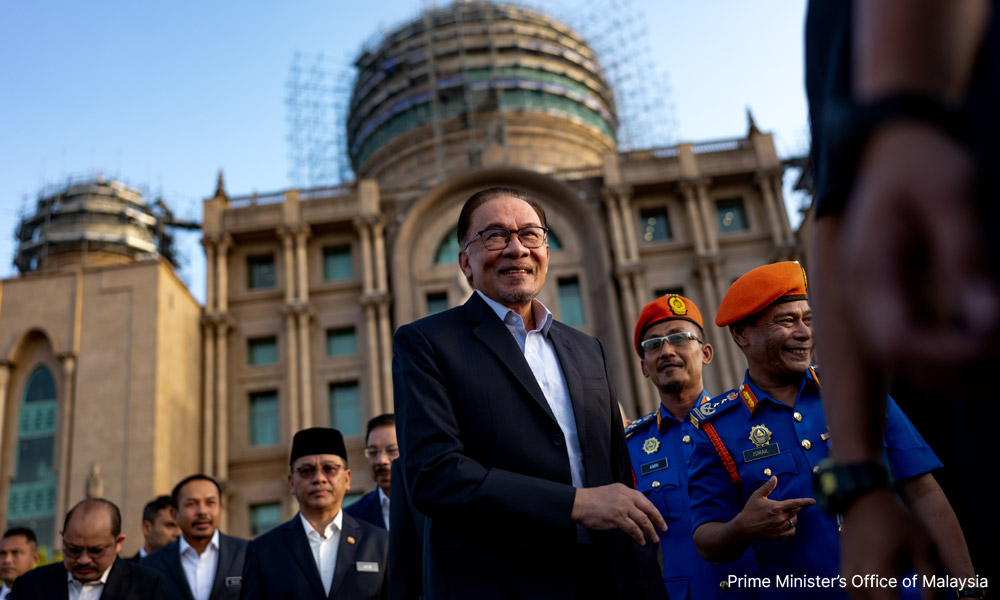
He pointed out that Prime Minister Anwar Ibrahim’s philosophy emphasises the pursuit of knowledge through critical and creative thinking, yet these virtues seem to have been lost amid such directives and circulars.
"Could it be that these directives are issued with Anwar’s full knowledge? Are we to believe that the Madani government’s stated virtues are mere pretensions?" Ramasamy asked.
/file/publisher-c1a3f893382d2b2f8a9aa22a654d9c97/2023/07/d7c910704b3ec26b540d480946d32e0b.jpg)
/file/publisher-c1a3f893382d2b2f8a9aa22a654d9c97/2022/08/28160a016ab0d6ac8206d6fd2be28e8a.jpg)
/file/publisher-c1a3f893382d2b2f8a9aa22a654d9c97/2019/04/0898a9e1874c35dc11e56608e8682193.jpg)
/file/publisher-c1a3f893382d2b2f8a9aa22a654d9c97/2024/09/6ad7e9dcbb9e7b7afc0f7302f2755662.jpg)
/file/publisher-c1a3f893382d2b2f8a9aa22a654d9c97/2023/12/96781bbc7abb739f364ad22b8068fe65.jpg)
/file/publisher-c1a3f893382d2b2f8a9aa22a654d9c97/2023/06/6fa892ec3bfe4182597430db31974b47.jpg)


Report this comment
Are you sure you want to delete this comment?
This action cannot be undone.