


/file/publisher-c1a3f893382d2b2f8a9aa22a654d9c97/2024/10/affe43d0cf15e734265f7823711a5ce8.jpg)

MPs question FashionValet investment, call for GLC, GLIC reform
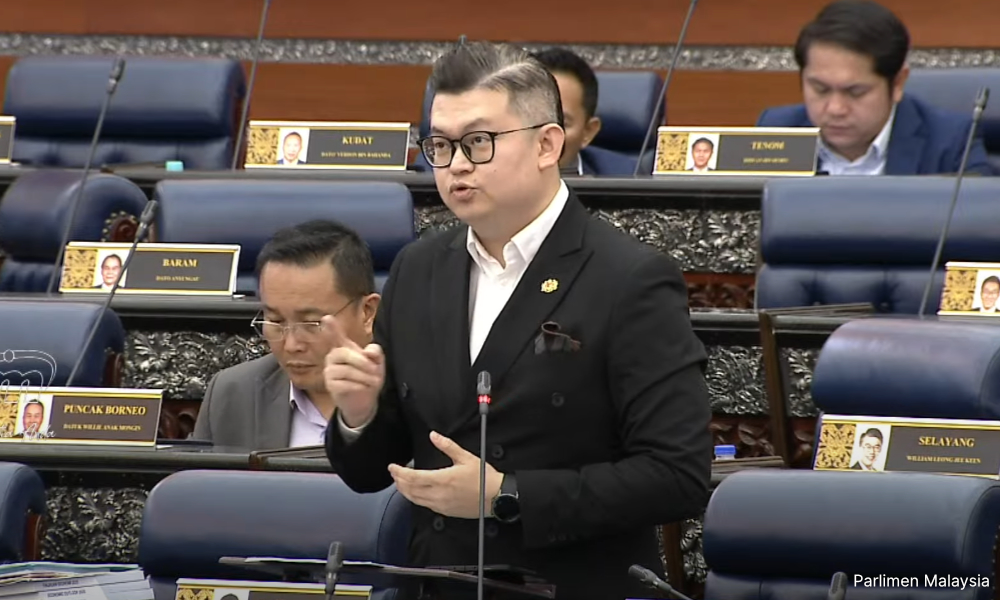
PARLIAMENT | A backbencher debating the Supply Bill 2025 today questioned the selection processes for investments by government-linked companies and whether there were any “special treatments” for well-connected individuals.
Specifically, Dr Kelvin Yii (Harapan-Bandar Kuching) questioned how FashionValet secured a substantial investment from Khazanah Nasional and Permodalan Nasional Berhad (PNB) and subsequently recorded nearly RM44 million in losses.
PARLIAMENT | A backbencher debating the Supply Bill 2025 today questioned the selection processes for investments by government-linked companies and whether there were any “special treatments” for well-connected individuals.
Specifically, Dr Kelvin Yii (Harapan-Bandar Kuching) questioned how FashionValet secured a substantial investment from Khazanah Nasional and Permodalan Nasional Berhad (PNB) and subsequently recorded nearly RM44 million in losses.
“For example, Grab did not get the help they needed, and now, Grab is the unicorn in Singapore. (This) is a missed opportunity.
“Local start-ups are forced to seek funding abroad because they are treated like beggars in the country.
“FashionValet did not receive merely RM1 or RM2 million but more than RM40 million. How was this amount determined? What was the process for deciding on the given quantum?” he inquired.
Following MACC’s launch of an investigation into the matter on Nov 2, Prime Minister Anwar Ibrahim, who also serves as the chairperson of Khazanah, has directed the company to conduct an internal audit to “investigate problems linked to its recent losses of investment worth RM43.9 million.”
Where was the accountability?
While commending Anwar’s directive, Yii argued that the same investment, with proper management, could support many more businesses.
“I understand that the rationale behind this investment was to empower bumiputera businesses, which I fully support.
“However, if managed appropriately, that amount allocated to FashionValet could empower hundreds of other bumiputera and non-bumiputera enterprises,” he said.
He further questioned an apparent lack of accountability for reported losses over the years, before the issue was made public.
“There needs to be accountability in this matter. The shares were sold in 2023. Why have we not heard of any actions taken until now? If we look at Singapore, they too have experienced losses, and due to accountability, some individuals had to resign,” he noted.
“If I were an investor and had invested a significant sum, I wouldn’t simply monitor my investment and allow it to languish for years without taking action.
“So, what safeguards should be in place for such investments to ensure that profits and losses can be managed? Furthermore, we should be able to monitor and provide guidance to those tasked with managing these investments. We shouldn’t just allocate RM40 million and allow them to act as they wish,” he explained.
Commenting further, Yii suggested that more parliamentarians should engage with high-interest issues.
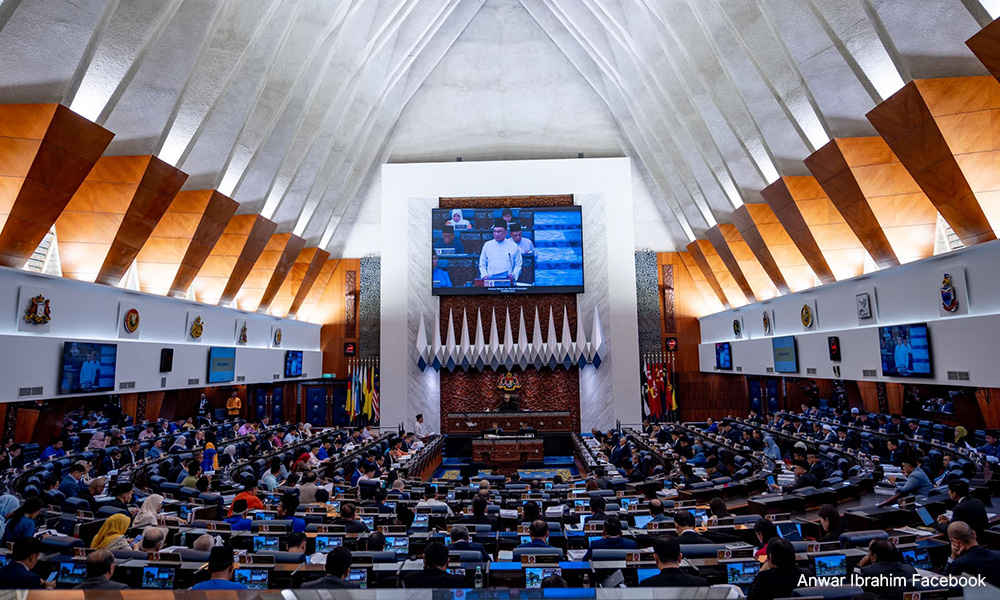
“I hope that all high-interest investments or financial statements of every GLC and GLIC can be presented in Parliament, particularly in the Special Parliamentary Committee on Finance.
“If possible, we should establish a special parliamentary committee for the reform of GLCs and GLICs to gather insights from experienced members of Parliament on this matter,” he proposed.
‘I can’t comprehend it’
Deputy Dewan Rakyat speaker Ramli Mohd Nor also raised questions regarding the investment, asking if his queries could be added to Yii’s inquiry directed at the responsible minister.
“FashionValet received nearly RM40 million in investment from Khazanah. Did the GLC and GLIC obtain approval from the Finance Ministry?
“When FashionValet sold their shares, did they secure clearances from the ministry or Khazanah?” Ramli asked.
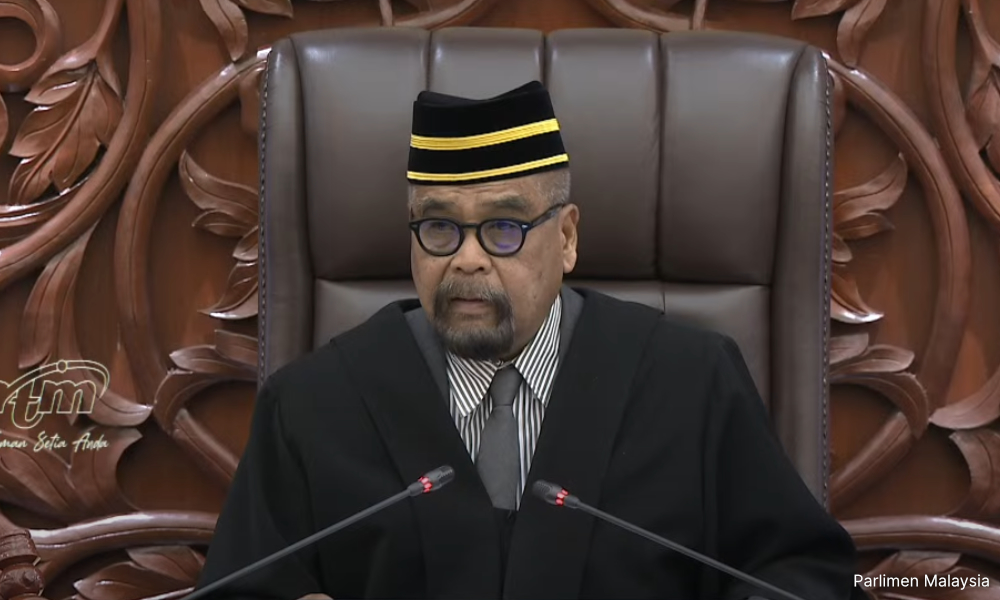
The Cameron Highlands MP expressed his confusion over the situation, emphasising that RM40 million is public money.
“I was an investigator in the past, and this issue has been weighing on my mind; I can’t comprehend it from a governance perspective,” he added.
Anyone can apologise, resign
Separately, during a press conference, Awang Solahuddin Hashim (PN-Pendang) urged the government to enhance the regulation of GLCs.
Awang asserted that such measures are necessary to ensure greater transparency and accountability in investment management.
“We do not want to simply resign and apologise for the company’s losses. Anyone can do that.
“There is no need to appoint educated individuals to manage large GLCs if that’s the case.
“Every year, the government has to bail out companies established by the government to provide returns to the government. So, if they take advantage of the situation to cause losses in government-linked companies but profit afterwards when audited, resign, and apologise, that’s too easy,” he said.
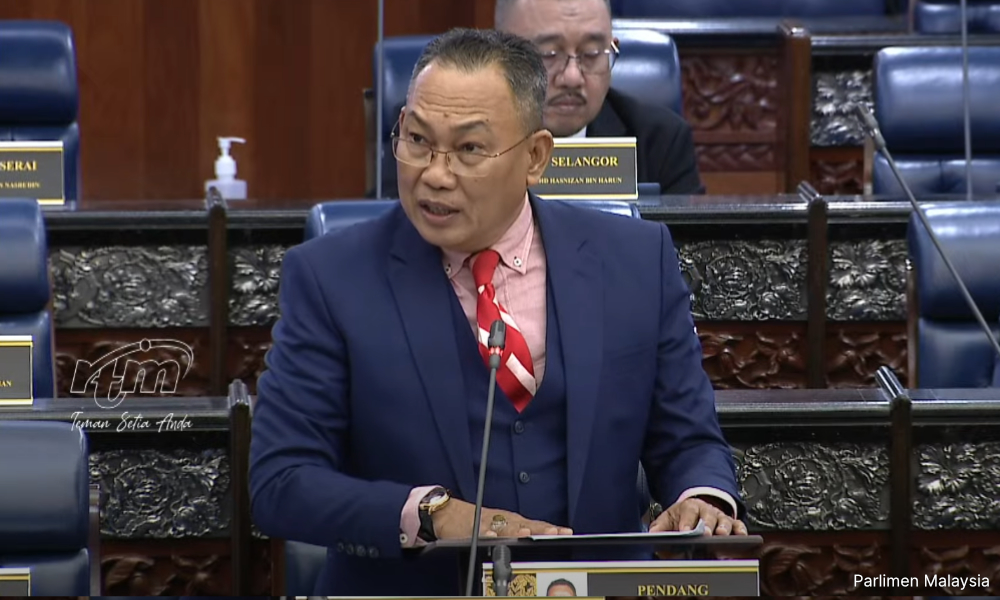
Further commenting, Awang stated that his party also urges GLCs and GLICs to be more open in reporting their investment performance, including action plans to address investment losses.
“The public has a right to know how their money is managed, and therefore, we demand that investment performance reports be made publicly available so we can assess the transparency and accountability of the management of these public funds.
“The public has the right to demand explanations for every loss incurred and the actions taken to rectify these mistakes. Transparency in the management of public funds is essential for the people and is the foundation of public trust in those entrusted with managing these funds,” he stated.
He added that his party does not want political interference in GLCs.
“Appointing individuals with political connections to manage state affairs forces them to make decisions based on the self-serving interests of the politicians who appointed them.
“This is what is happening, and we hope it does not happen to Nafas, which is currently burdening the people, especially small farmers, amid the crisis in Nafas’ administration today,” he said.
/file/publisher-c1a3f893382d2b2f8a9aa22a654d9c97/2024/10/cc39746d6ab5e3d5c316334333524aa6.jpg)
/file/publisher-c1a3f893382d2b2f8a9aa22a654d9c97/2024/11/ff3594815a7a684ba503847467e69b13.jpg)
/file/publisher-c1a3f893382d2b2f8a9aa22a654d9c97/2024/11/64fee758b839bc1bfb8c5841565002aa.jpg)
/file/publisher-c1a3f893382d2b2f8a9aa22a654d9c97/2024/08/ac551c8a2c2b917d6013c0c8e4cd8e08.jpg)
/file/publisher-c1a3f893382d2b2f8a9aa22a654d9c97/2024/10/3b5d533849ec82b5cd9a55ac29d4adf1.jpg)
/file/publisher-c1a3f893382d2b2f8a9aa22a654d9c97/2024/10/976c1f8ab95eec51ccba7e11132f505b.jpg)


Are you sure you want to delete this comment?
This action cannot be undone.