


/file/publisher-c1a3f893382d2b2f8a9aa22a654d9c97/2024/11/546aabba852271ecb719134beb47db69.jpg)

Loke won't quarrel with Akmal, to focus on good governance
This is despite Akmal’s repeated attacks on DAP leaders, including Loke himself.
The DAP chief further explained that, as a cabinet minister and key government leader...
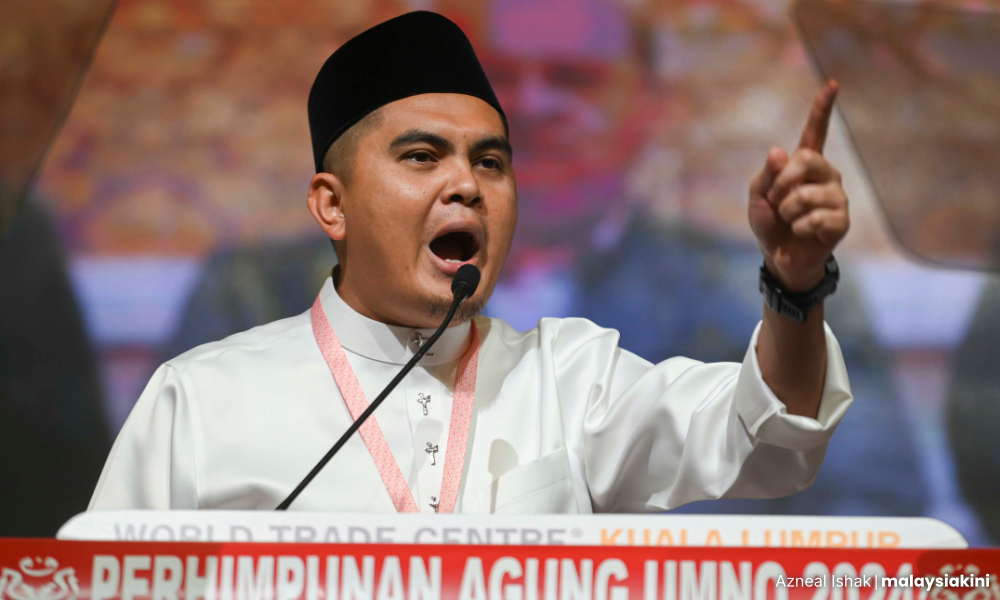
DAP secretary-general Anthony Loke has chosen not to respond to Umno Youth chief Dr Muhamad Akmal Saleh because the latter is not at the same level as him.
This is despite Akmal’s repeated attacks on DAP leaders, including Loke himself.
The DAP chief further explained that as a minister and key government leader, he has more important tasks such as implementing government policies and economic improvements.
“I am the top leader of the party, the secretary-general. If I had to react to every comment made by second- or third-tier leaders from either opposition or allied parties, I would not have time to do anything else as my attention would be constantly diverted.
“If I respond to him, it actually elevates his status. He’s just a youth chief, not a decision-maker, not a top leader of his party, not in the cabinet, and not even an MP.
“So, if our party needs to respond, there are people who can handle it. Our youth wing or other central committee members can respond.”
Loke, who is also the transport minister, Seremban MP, and Chennah assemblyperson, said this during an interview for a Malaysiakini Chinese-language podcast earlier this month.
The second part of this podcast was aired on YouTube, Spotify, and Apple Podcasts last night.
Loke was responding to remarks made by Ang Say Tee, a businessperson and leader of several Chinese NGOs.
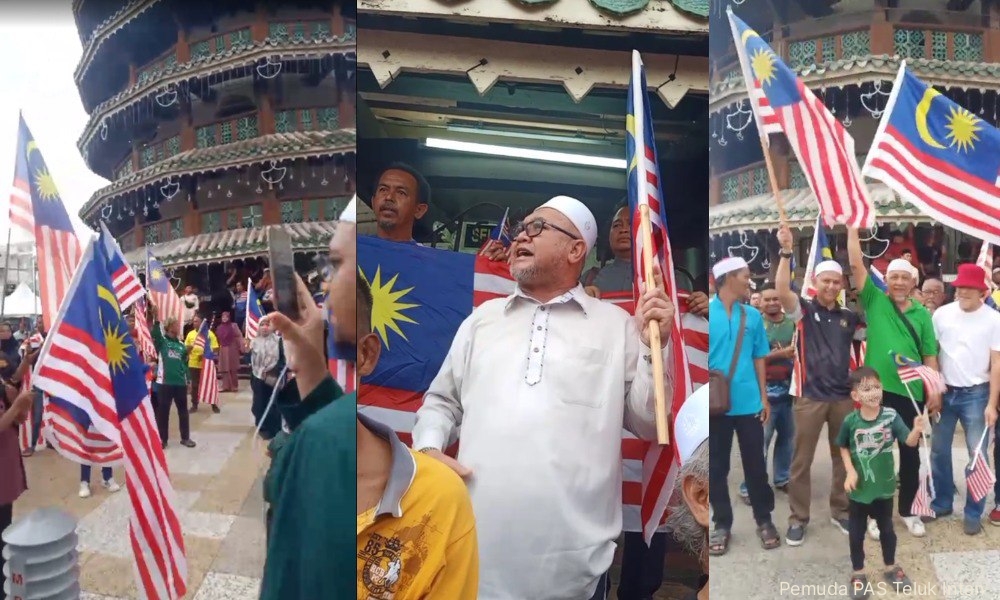
On Oct 27, during the height of the “flag war” incident over the Guan Gong Cultural Festival, Ang likened Loke to a “mouse” when facing Akmal, whom he referred to as a “small cat”.
Ang also suggested that Loke should emulate Seputeh MP Teresa Kok and act like a “big cat”.
READ MORE: KINIGUIDE | ‘Flag war’ over Guan Gong Festival
Loke said every party has “characters” who stir up issues or try to act like heroes, but he would not entertain such people.
He emphasised that if necessary, many DAP leaders are capable of countering Akmal’s comments.
“This is how we handle it. There is no such thing as ‘being mice’. What is there to fear? What are we afraid of?
“However, if we engage in constant noisy disputes, it would make the government seem unproductive, as if it’s neglecting important matters, policies, and economic development, and only focused on bickering.
“Therefore, I delegate the task (of responding or countering Akmal) to other leaders,” he said.
Cabinet operates harmoniously
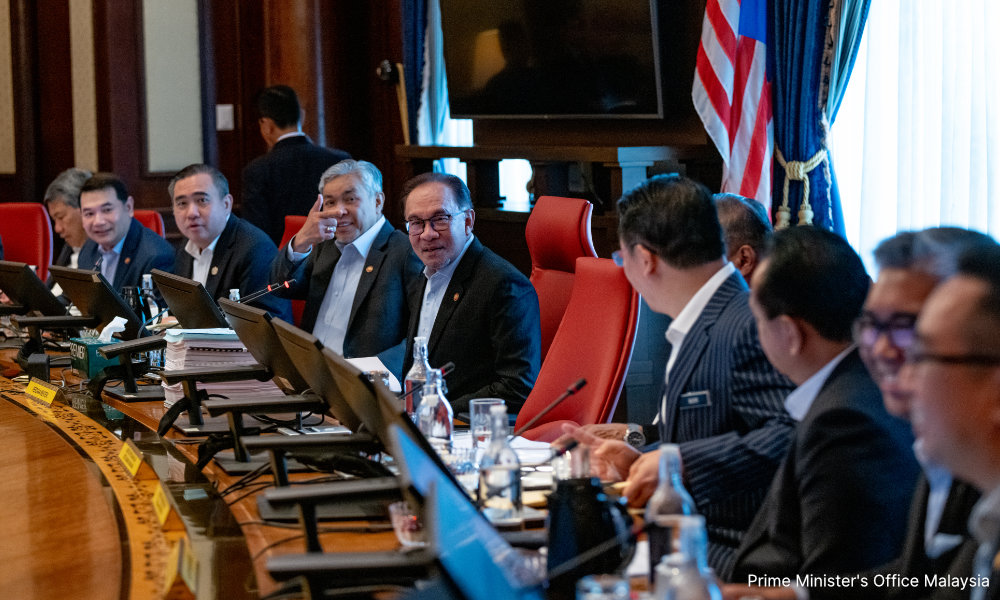
Loke added that the top government leadership works well together, including himself, Prime Minister Anwar Ibrahim, and Deputy Prime Minister Ahmad Zahid Hamidi, who is also the Umno president and Akmal’s party boss.
He further said the Madani government is more stable than the previous administration led by Dr Mahathir Mohamad during Pakatan Harapan’s first time in power from 2018 to 2020.
Loke, who was also transport minister under Mahathir’s administration, said during the former prime minister’s cabinet meetings, tensions between DAP, Bersatu, or “certain figures in PKR” were so high that disagreements escalated to table-pounding.
In contrast, under the Anwar-led Madani government, Loke said the cabinet operates harmoniously, with constructive discussions and no lingering grudges or resentment.
For example, he said he has privately followed up with the prime minister and Home Minister Saifuddin Nasution Ismail on the status of the Teoh Beng Hock case.
Loke believes no one in Anwar’s cabinet opposes reopening the investigation into the case.
“I don’t see any backlash; the prime minister has met with Teoh’s family and promised a reinvestigation. Within the cabinet, there’s no dissenting opinion. I don’t see any obstacles.”
However, Loke noted that they still need to wait for the police’s investigation results before taking further action.
READ MORE: After 15 years, how many Gen Z know about Teoh Beng Hock?
Loke also confirmed that the Pakatan Harapan presidential council has not met for “two to three months”, as the primary platform for the ruling coalition’s activities is now the Unity Government Secretariat.
Asked whether the ruling coalition should form an alliance before or after elections, he admitted that “it is difficult to make a decision at present”.
Nonetheless, he hopes that the Madani government’s parties can maintain their collaborative model and contest the next general election as a united front.
ALSO READ:
/file/publisher-c1a3f893382d2b2f8a9aa22a654d9c97/2024/10/62a855d71c1123bfe99bcf1c5d675ed7.jpg)
/file/publisher-c1a3f893382d2b2f8a9aa22a654d9c97/2023/10/1efed5e1c5849245c4d8dcd82861b6f7.jpg)
/file/publisher-c1a3f893382d2b2f8a9aa22a654d9c97/2024/09/f12b03e5e3d26dfcf8ce3c2bcc6ba319.jpg)
/file/publisher-c1a3f893382d2b2f8a9aa22a654d9c97/2024/10/113c904f2f472f0f64afc4b7f4de4263.jpg)
/file/publisher-c1a3f893382d2b2f8a9aa22a654d9c97/2024/08/cd00d1e2780018a80b075f1269cd064a.jpg)


Are you sure you want to delete this comment?
This action cannot be undone.