


/file/publisher-c1a3f893382d2b2f8a9aa22a654d9c97/2024/12/9807c738c94eabaf51e81a309913ba7f.jpg)

Street worker to volunteer, Mami Vin serves Yogya's HIV/AIDS patients
The founder of the Yayasan Keluarga Besar Waria Yogyakarta (Yogyakarta Transgender Family Foundation), Vinolia Wakijo, 68, said their services have helped 340 HIV/AIDS patients since 2006...
From working the streets to volunteering among street communities, “Mami Vin” is known as an HIV/AIDS activist in the Special Region of Yogyakarta, Indonesia.
The founder of the Yayasan Keluarga Besar Waria Yogyakarta (Yogyakarta Transgender Family Foundation), Vinolia Wakijo, 68, said their services have helped 340 HIV/AIDS patients since 2006.
“Most of them survived, and some have even returned to their families.
“Our operations are not funded by foreign entities or the Indonesian government,” said Vinolia, a transgender woman, also known as waria in Indonesian - a combination of the words wanita (woman) and pria (man).
“If the local government (of Yogyakarta) provides any help, it’s only to cover meals for five people per day.
“The rest we cover ourselves,” she added.
Vinolia explained that the costs they bear include annual rent for premises used as both an office and shelter. The amount has increased from six million rupiah in 2006 to 25 million today, equivalent to about RM8,000.
Before starting the foundation, also known as Yayasan Kebaya, Vinolia served as a volunteer with the Indonesian Planned Parenthood Association (PKBI) for 13 years, distributing condoms to prevent HIV/AIDS infections.
She said her journey as an activist was motivated by awareness of the rising rate of HIV/AIDS infections among the transgender and gay communities, not just in Yogyakarta but globally.
“I don’t want people to die in vain because of HIV,” she said, revealing that she spent much of her youth working on the streets after being forced out of her family home.
During a sharing session with Malaysian and Indonesian media, Vinolia recounted a harrowing experience of being “passed around by three drunk men”, “not being paid”, and ultimately being abandoned by a ravine.
Toiling for income
After quitting street work and losing her source of income, Vinolia began washing clothes for students from several universities in the city, also known as a student hub.
“I earned 50,000 rupiah a month. Back then, daily meals cost 3,000 Rupiah.
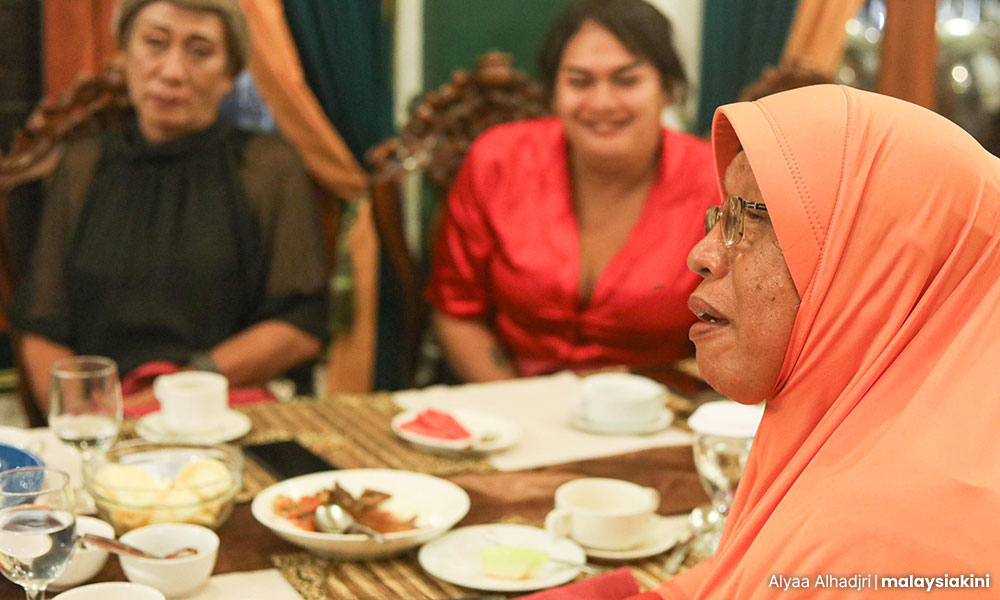
“As a PKBI volunteer, I got 3,000 rupiah in transportation allowance for each field session. With eight sessions a month, that was 24,000 rupiah.
“In total, I earned 74,000 rupiah a month, while just food alone cost 90,000 rupiah,” she told Malaysiakini.
For comparison, the minimum wage in the Special Region of Yogyakarta in 1993, when she first joined PKBI, was 76,500 rupiah, or approximately RM21 based on the current exchange rate.
Foundation work
Recognising the need for specialised services for HIV/AIDS patients, including transgender individuals, Yayasan Kebaya now supports 13 residents.
Initially, Yayasan Kebaya provides protection against health risks and physical violence. Now it has awareness campaigns on the impact of social media, including its use by transgender individuals for activities like busking or fundraising shows.
“I visit their homes or meet them during group activities.
“I offer advice, including how to avoid endangering themselves or their friends,” she said.
Specifically, Vinolia commented on at least two cases where transgender individuals from Indonesia and Malaysia - each with thousands of followers - shared social media posts of themselves performing the umrah (Islamic pilgrimage to Mecca) dressed as women.
“In my opinion, we (transgender people) are still born as males.
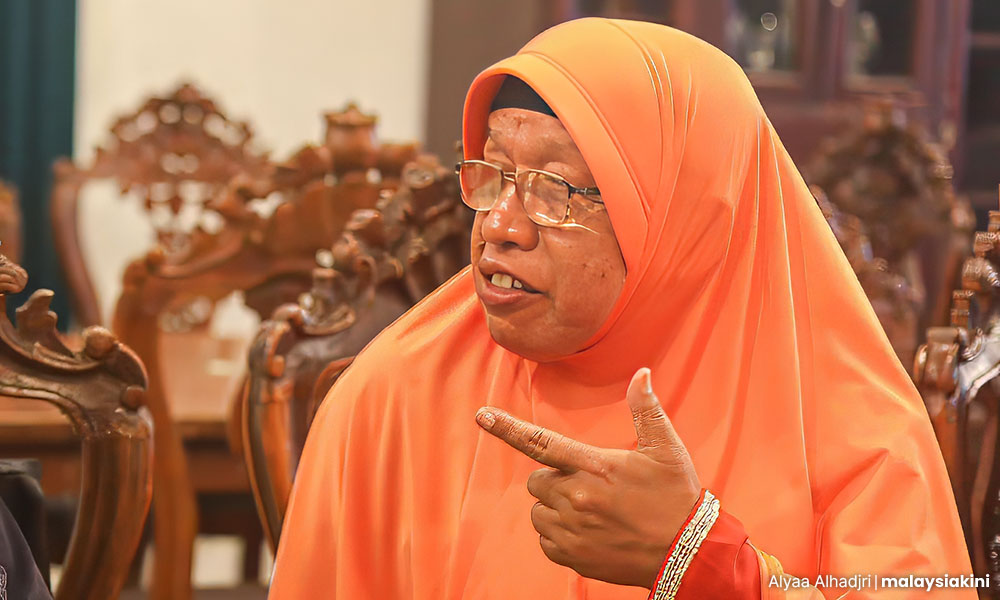
“So, if you perform umrah or hajj, you should do so as a man, according to your birth gender,” she said, acknowledging differing views within the transgender community.
“For those who choose to perform umrah as women, they should avoid publicising it on social media,” she added.
Worshipping as a transgender person
She stressed that transgender individuals should not be barred from worshipping according to their faith but instead guided to avoid creating negative perceptions.
She also acknowledged that transgender individuals require “extra courage” before deciding to travel to Mecca.
“You need extra courage to go to the holy land. I’ve declined offers to be sponsored to (go to) Mecca.
“For me, performing hajj is a heavy responsibility.
“I just want to live life on my terms, be useful to others, and see those I help smile,” she said.
Besides Yayasan Kebaya, two other organisations - Pondok Pesantren Waria Al-Falah and Waria Crisis Centre - operate in the Special Region of Yogyakarta, the only province in Indonesia still governed by a king.
Their free services include providing “safe spaces” for worship and learning Islamic teachings, care for elderly transgender individuals, access to education and career opportunities, and community advocacy.
/file/publisher-c1a3f893382d2b2f8a9aa22a654d9c97/2024/12/0d6773260e3a4d8c69b6b96fa0c43419.jpg)
/file/publisher-c1a3f893382d2b2f8a9aa22a654d9c97/2024/11/6c3d0f43a822f7de2146ab0900a83cbc.jpg)
/file/publisher-c1a3f893382d2b2f8a9aa22a654d9c97/2023/10/c591b84ff3b23581c927ab8a9c6a3f31.jpg)
/file/publisher-c1a3f893382d2b2f8a9aa22a654d9c97/2023/06/bf4008c32190a84684b0bcfee8829a17.jpg)


Are you sure you want to delete this comment?
This action cannot be undone.