


/file/publisher-c1a3f893382d2b2f8a9aa22a654d9c97/2021/07/2bb63963204b55d2b4b7786ca791b443.jpg)

Take mental health issues seriously, expert urges
With rising mental health cases among adolescents, another unfortunate situation it triggers is suicide, and a mental health expert urged parents, healthcare professionals and society to take the matter seriously.
Universiti Malaysia Sarawak psychiatrist and medical lecturer Nur Iwana Abdul Taib cited the National Health and Morbidity Survey (NHMS) 2022 by the Health Ministry which showed that about 13.1 percent of adolescents had suicidal ideation and 9.5 percent had attempted it.
Summary
According to statistics, one in 10 adolescents had either suicidal ideation or attempted it.
Psychiatrist Nur Iwana Abdul Taib also warns of suicide contagion, where clusters of suicides happen within a particular group in a short period of time.
She highlights the importance of early screening and intervention to help those affected.
With rising mental health cases among adolescents, another unfortunate situation it triggers is suicide, and a mental health expert urged parents, healthcare professionals and society to take the matter seriously.
Universiti Malaysia Sarawak psychiatrist and medical lecturer Nur Iwana Abdul Taib cited the National Health and Morbidity Survey (NHMS) 2022 by the Health Ministry which showed that about 13.1 percent of adolescents had suicidal ideation and 9.5 percent had attempted it.
“That is about one in 10 adolescents,” she told Malaysiakini.
Elaborating, Iwana said suicide is a complex issue with multiple contributing factors.
“No single cause can be isolated. Instead, a combination of factors, including biological, psychological, and social factors can contribute to suicidal thoughts and behaviours.
“Adding to this concern is the rising prevalence of a troubling phenomenon known as suicide contagion, fuelled by increased access to information and media exposure,” she said.
‘Suicide contagion’
Suicide contagion, Iwana said, refers to the increased risk of suicide among individuals who are exposed to suicide, directly or indirectly, where one can see clusters of suicides happening within a particular group in a short period of time.

The unfortunate phenomenon, Iwana added, occurs due to as follows:
Media coverage of suicide: sensationalised or graphic reporting of suicides can trigger suicidal thoughts and behaviours in vulnerable individuals.
Social contagion: suicide clusters, where multiple suicides occur within a specific geographic area or social group, which could increase the risk among those who are connected to the individuals who died by suicide.
Online influence: social media platforms can facilitate the spread of harmful content, including suicide-related information and methods.
Iwana said adolescents are particularly vulnerable due to several factors, including increased sensitivity.
“Adolescence is a period of heightened emotional sensitivity and impulsivity due to ongoing brain development, particularly in the prefrontal cortex (responsible for decision-making and impulse control).
“This makes them more susceptible to emotional contagion and peer influence. They struggle with regulating emotions and assessing long-term consequences, making them more susceptible to imitative behaviours,” she noted.
Peer pressure
Iwana further mentioned that adolescents are highly influenced by their peer group.
For example, the death of a peer (person of the same age group/generation) by suicide may normalise suicide as a coping mechanism, especially for those already struggling with mental health issues.
“Peer groups may glorify or romanticise the deceased, increasing the risk of contagion within the group.”
Another problem Iwana stated is social media influence, where such platforms amplify the impact of suicide contagion by spreading information and normalising suicidal behaviours.
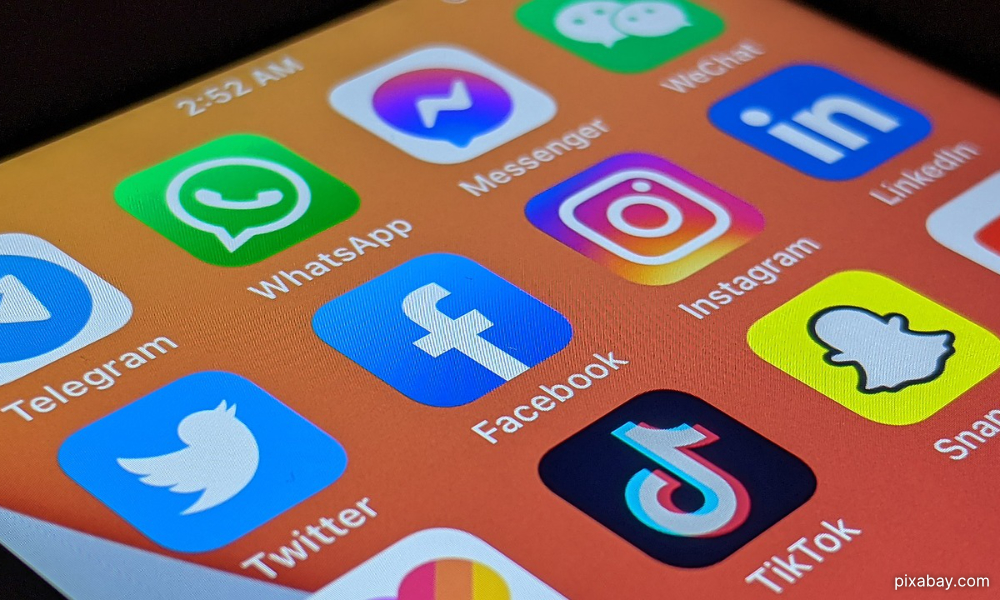
“Media coverage of suicides, especially when detailed or sensationalised, has been shown to increase the risk of suicide contagion.
“Adolescents who identify with the individual may view suicide as an option for solving their own problems. Some even learn of a ‘successful’ method from these unsafe media reporting or sharing.
“Overall, many adolescents lack effective coping mechanisms and may see suicide as an escape from overwhelming emotions or problems,” she stated.
Normalise seeking help
Asked how people can help adolescents suffering from mental health issues, Iwana urged for open communication to reduce stigma and promote the act of seeking help.
“Encouraging conversations about mental health and suicide to reduce stigma and promote help-seeking behaviour among adolescents would be a good start.
“As a community, we can also provide an open space for the child and adolescent to share, for example, in schools with teachers or community groups like churches,” she said.
Iwana also highlighted the importance of early screening and intervention to provide help as soon as possible.

“Identifying at-risk adolescents through regular mental health screenings and providing targeted interventions is helpful too.
“Plus, we also need to build resilience through strong social connections, fostering self-esteem, and teaching effective problem-solving skills.
“This can be conducted using school activities focusing on these skills or community activities. We can also encourage our children to be involved in community groups such as volunteering to promote social connections.”
Iwana also stressed the importance of postvention support, where those who had lost their loved ones due to suicide are given support.
“Postvention support is activities that we conduct after a suicide to manage the grief and trauma following the incident to reduce suicide risk among those left behind.
“It can be conducted by trained mental health personnel or NGOs. Awas (Awareness against Suicide) and Dee Hati Grief, Bereavement and Trauma Centre are examples of community-initiated postvention services.”
On that note, Iwana also urged the media to report mental health issues and suicide responsibly by referring to the Health Ministry’s guidelines.
“Basically, we should avoid sensationalism, limiting explicit details, and including crisis resources in reporting about suicides,” she added.
If you are feeling depressed or suicidal or know someone who is, please call the following hotlines:
Talian Kasih Hotline: 15999
The Befrienders Hotline: 03-76272929
Agape Counselling Centre Malaysia Hotline: 03-77855955 or 03-77810800
Life Line Association Malaysia Hotline: 03-42657995
/file/publisher-c1a3f893382d2b2f8a9aa22a654d9c97/2022/06/0928d1c964d0b614db755c13ab6f2cbc.jpg)
/file/publisher-c1a3f893382d2b2f8a9aa22a654d9c97/2021/07/2bb63963204b55d2b4b7786ca791b443.jpg)
/file/publisher-c1a3f893382d2b2f8a9aa22a654d9c97/2024/10/8ad2c6ef049029677e42fc9e66759398.jpg)
/file/publisher-c1a3f893382d2b2f8a9aa22a654d9c97/2024/10/e5684ea61ad23f683128d60e9a90638b.jpg)
/file/publisher-c1a3f893382d2b2f8a9aa22a654d9c97/2023/05/4a575aef285003d036f13425baffd353.jpg)


Looking at the comments our politicians make, I believe 80% of them have mental issues ...?
Are you sure you want to delete this comment?
This action cannot be undone.