


/file/1321/7cb0a77d5999df025e601516865f40bd.jpeg)

Duterte arrest due to Manila internal feud, not Rome Statute: Analysts
They believe the ICC’s success in getting custody of the former Philippine president was only due to the country’s internal political struggle instead of the court’s power.
“This has mostly to do with...
Summary
Former Philippines president Rodrigo Duterte was arrested following an International Criminal Court (ICC) warrant last week despite the country having withdrawn from the Rome Statute in 2019.
Two experts believe the treaty had nothing to do with Rodrigo being surrendered to the ICC and say he was transferred to The Hague due to a feud between his daughter Sara, who is the vice-president, and the current president Ferdinand Marcos Jr.
Another academician, however, believes the opposite and warns the action might have wide implications for Asean and Malaysia.
The Philippines’ previous ratification of the Rome Statute has no bearing on last week’s arrest of Rodrigo Duterte and his subsequent surrender to the International Criminal Court (ICC), said analysts.
They believe the ICC’s success in getting custody of the former Philippine president was only due to the country’s internal political struggle instead of the court’s power.
“This has mostly to do with the Philippines’ domestic political tussles, which pits the president against the vice president, whose father, the former president, was the subject of the extraordinary rendition,” said Oh Ei Sun.
Oh, who is a senior fellow of the Singapore Institute of International Affairs, was referring to Philippine president Ferdinand Marcos Jr and his vice-president Sara Duterte, the daughter of Rodrigo (above).
“So of course the power that be in the Philippines made convenient use of the arrest warrant and willingly complied with it to extradite (Rodrigo) Duterte to The Hague,” he added.
Similarly, geostrategist Azmi Hassan said Manila could have ignored the court’s warrant on Rodrigo, regardless of its status in the ICC.
However, the warrant was honoured by Philippine authorities “only because of Marcos Jr’s political interests”, said the Universiti Teknologi Malaysia academician.
According to news reports, the families of Marcos and Duterte had been having a longstanding political feud since their political alliance fell apart after winning the country’s 2022 general election together.
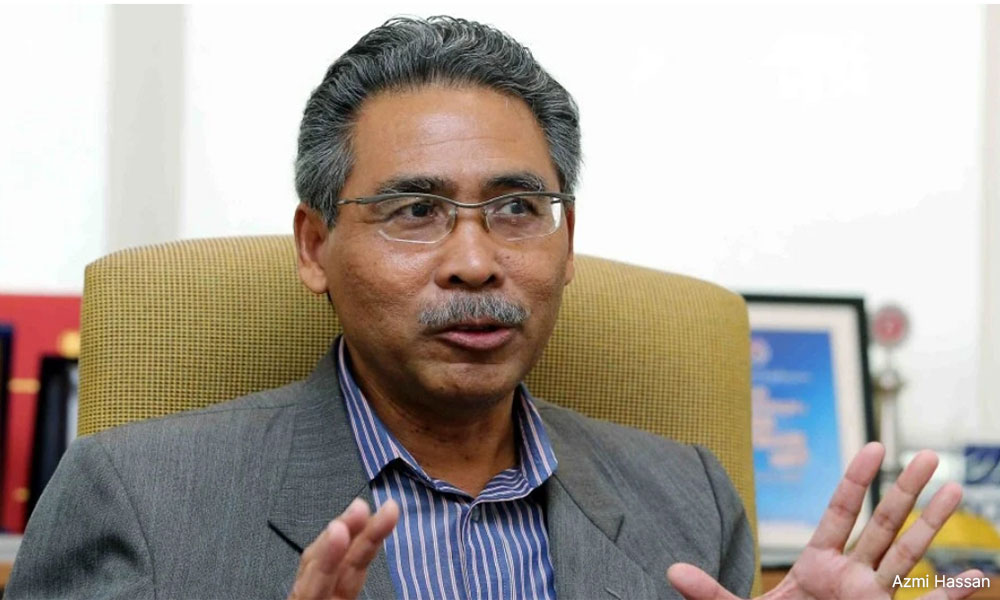
Adding further, Azmi said Rodrigo’s arrest, while historic, won’t have much impact on other countries, including Asean members like Malaysia, which had previously ratified the treaty.
“I dont think there will be any major negative impact to other countries because what happened in Manila was only made possible by the cooperation of Ferdinand Marcos Jr’s administration, who viewed Duterte’s family as enemies due to his (Ferdinand’s) political tussle with vice president Sara Duterte.
“Asean countries should not have too much concern that similar incidents would affect them,” Azmi told Malaysiakini.
The Rome Statute is a treaty that lays the foundation for the establishment of the ICC. It sets out the court’s jurisdiction over genocide, crimes against humanity, war crimes, and the crime of aggression.
For the record, the Philippines had become a party to the Rome Statute in 2011 but withdrew from it in 2019.
Similarly, Malaysia also formally acceded to the statute in March 2019.
However, the government, then led by Dr Mahathir Mohamad, decided to cancel the ratification a month later following backlash that it would affect the sovereignty of Malay rulers.
Southeast Asian countries at risk
Political analyst Awang Azman Awang Pawi holds an opposite view.
The Universiti Malaya academic said surrendering Rodrigo to the ICC would have wide implications for Southeast Asian countries, especially Malaysia as it previously signed the Instrument of Accession to the Rome Statute of the ICC.
“This would set a precedent in this region and show that Southeast Asian countries can bow down to the power of international bodies like the ICC despite having withdrawn from the Rome Statute.
“This case can potentially be used as a precedent for other countries, including Malaysia, when dealing with cases of crimes against humanity.
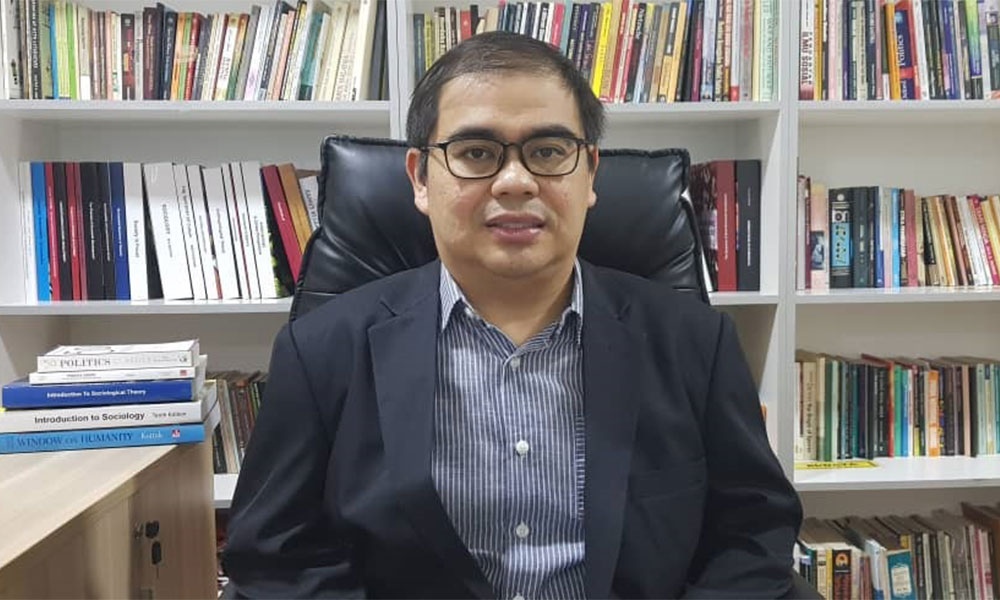
“It will put pressure on government institutions and leaders. International NGOs and Western powers might also push Malaysia harder to take responsibility under international legal frameworks,” he said.
According to Awang Azman, the move taken by the Philippines has opened the door for the West to meddle in Asean internal discussions under the pretext of defending human rights.
Malaysia, he said, might face a similar risk as it previously ratified the Rome Statute.
He said Malaysia as the current rotating chair of Asean should reaffirm the bloc’s principle of non-interference in the affairs of member countries.
/file/publisher-c1a3f893382d2b2f8a9aa22a654d9c97/2019/04/994e58f0e4b2ceadfe05b9b50629bba0.jpg)
/file/publisher-c1a3f893382d2b2f8a9aa22a654d9c97/2025/03/ab6e411fa3dffe068f4e3b5bc0760eb1.jpg)
/file/publisher-c1a3f893382d2b2f8a9aa22a654d9c97/2025/03/f87fa350f2a7bd429813af77e1b4e650.jpg)
/file/1321/bab20795964aa6574a5aa5b2742f10f4.jpeg)
/file/1353/cebc1ac48244e180d05c1f2cc641e675.jpeg)


Are you sure you want to delete this comment?
This action cannot be undone.