


Only 3 Suhakam commissioners remain as selection awaits PM's decision
Suhakam is now running with only three commissioners as seven of them have completed their term.
Suhakam secretary Altaf Deviyati said the selection process for new commissioners has been completed, while the independent selection committee has also submitted its recommendations to Prime Minister Anwar Ibrahim.
"In the interim, despite the reduced number...
Summary
Seven Suhakam commissioners complete their term, only three remain while awaiting new appointments.
The selection committee has submitted its recommendations to Prime Minister Anwar Ibrahim, though no official announcement has been made.
Suhakam is now running with only three commissioners as seven of them have completed their term.
Suhakam secretary Altaf Deviyati said the selection process for new commissioners has been completed, while the independent selection committee has also submitted its recommendations to Prime Minister Anwar Ibrahim.
"In the interim, despite the reduced number of commissioners, Suhakam continues to discharge its core functions, particularly in ongoing investigations, public engagements and monitoring activities," she told Malaysiakini.
The remaining commissioners as of June 21 are chairperson Hishamudin Yunus, children's commissioner Farah Nini Dusuki, and Tengku Fauzi Hamid.
Last month, Malaysians Against Death Penalty and Torture (Madpet) group representative Charles Hector raised concerns over the lack of announcement regarding the commissioners who will serve from 2025 to 2028.
In a statement on June 16, he expressed hopes that suitable and independent individuals committed to human rights will be appointed immediately to prevent any leadership vacuum.
"We do not want a recurrence of 2022, where Suhakam had no chairperson and commissioners after the term of the chairperson and commissioners ended on April 27 - the new commissioners were appointed more than two months later on June 22," he said.
PM’s influence
Charles also called for the prime minister and government to be stripped of any power in the selection, reappointment, or removal of commissioners.
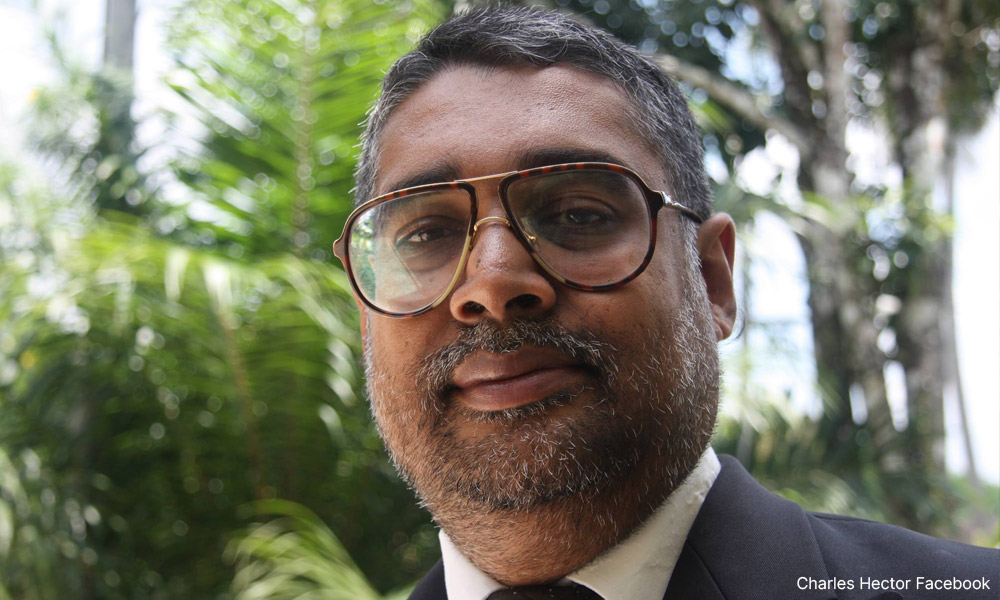
"A national human rights institution like Suhakam is not a government department or agency, and should never be placed under any minister or prime minister.
“It must be independent of the government, as one of the reasons is that at most times, the alleged perpetrators are public officers, under the different ministers of the prime minister’s cabinet," he explained.
Under Section 5(2) of the Suhakam Act 1999, appointments are made by the Yang di-Pertuan Agong on the advice of the prime minister, following consultation with a Section 11A committee – three of whom are appointed by the prime minister.
This mechanism undermines Suhakam’s independence, especially since Section 5(6) also grants the prime minister influence over reappointments, he added.
Charles warned that this creates pressure on commissioners to remain in the government’s favour to secure a second term.
He proposed amendments to the Act to increase the term from three to six years, with no option for reappointment or extending the term.
Suhakam could fall under Parliament or an independent body instead, he suggested.


Report this comment
Are you sure you want to delete this comment?
This action cannot be undone.