


US tariffs: Opposition hits out, jibes minister's White House run
Opposition lawmakers came out swinging at the government for failing to prevent the latest hike in United States tariffs on Malaysian goods.
In an immediate response, Bersatu MP Wan Saiful Wan Jan demanded an explanation, calling the outcome a failure of diplomacy and negotiations.
Summary
Wan Saiful Wan Jan takes aim at Investment, Trade and Industry Minister Tengku Zafrul Abdul Aziz.
UPDATED 3.38PM | Radzi Jidin and Ahmad Fadhli Shaari want to know why Malaysia is the only one in Asean facing a rate higher than the original.
Opposition lawmakers came out swinging at the government for failing to prevent the latest hike in United States tariffs on Malaysian goods.
In an immediate response, Bersatu MP Wan Saiful Wan Jan demanded an explanation, calling the outcome a failure of diplomacy and negotiations.
“The government must explain why talks with the US not only failed to reduce tariffs but resulted in an increase instead. The purpose of such negotiations should have been to lower the rates, not make them worse,” he said in a statement today.
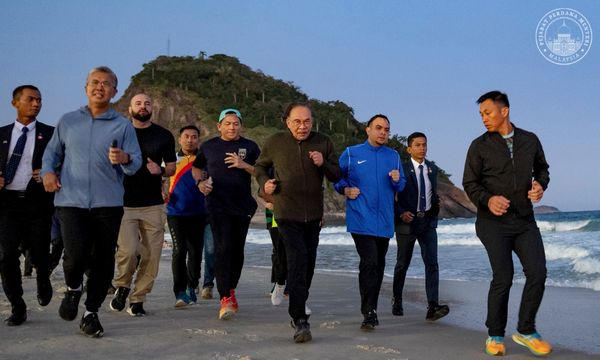
In a snark reference to Investment, Trade and Industry Minister Tengku Zafrul Abdul Aziz’s previous social media post, which appears to have been deleted, of him jogging past the White House, Wan Saiful accused him of neglecting core responsibilities while being overly focused on public appearances.
“This is clear evidence that the minister failed to defend the country’s interests,” he added.
Wan Saiful (above) also raised concerns about whether taxpayer money was being used wisely and called on the government to table a full report detailing the negotiation process and its impact on Malaysian exporters.
In the social media post, Tengku Zafrul quipped: “Helllooooo… President (Donald) Trump. Are you home? We have come to visit.”

He noted that although the Malaysian delegation did not meet with the US president, discussions on the tariffs were held with American officials.
Malaysia has been in talks with the US since April to reduce a 24 percent tariff. The latest round of negotiations took place on June 18.
25pct blanket tariff
However, Malaysiakini reported earlier today that Washington has now imposed a 25 percent blanket tariff on all Malaysian products entering the country, effective Aug 1 - one percentage point higher than the earlier rate and separate from all sectoral tariffs.
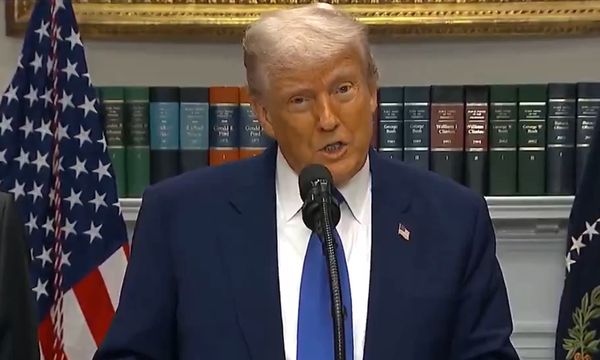
In a letter addressed to Prime Minister Anwar Ibrahim and the Yang di-Pertuan Agong, posted Monday on his Truth Social account, Trump said: “The 25 percent number is far less than what is needed to eliminate the trade deficit disparity we have with your country.”
The tariff hike is part of the US’ newly implemented “reciprocal tariff regime,” aimed at correcting what it views as long-standing trade imbalances.
M’sia only Asean member getting tariff hike
In separate statements later, Bersatu vice-president Radzi Jidin and PAS information chief Ahmad Fadhli Shaari also raised questions regarding the tariff hike.
Both questioned why, compared to the tariff rates announced for other Asean countries, Malaysia is the only one facing a rate higher than the original.
“As a comparison, the new tariff rates for Vietnam, Cambodia, Laos, and Myanmar have been reduced by 26 percent, 13 percent, 8 percent, and 4 percent respectively from their previously announced rates.
“This situation raises many questions. Government leaders had previously painted a picture of the negotiations being highly positive and fruitful.
“However, the actual outcome of the negotiations, as announced, does not reflect this portrayal,” said Radzi.
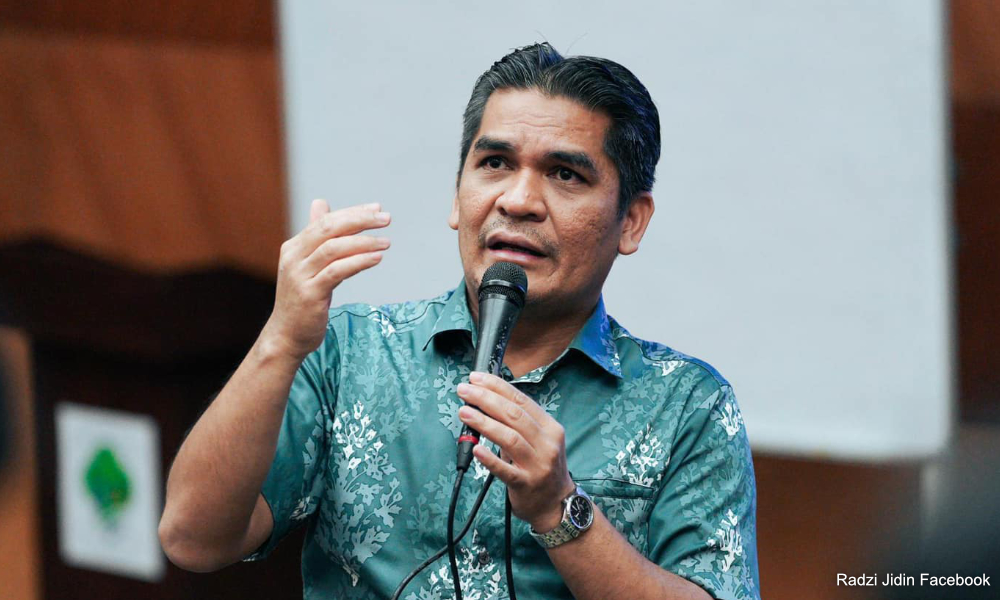
The Putrajaya MP listed three key questions, which he said require immediate and detailed answers from Anwar and Zafrul:
Was the 25 percent tariff rate set after the government agreed to relax national policies as part of negotiation concessions with the US? If so, what are the specific policies that were relaxed?
Will the government continue negotiations until Aug 1, before the new tariff rate comes into effect? If yes, does the government intend to make further concessions by relaxing more national policies in the next round of talks? Which policies are being considered as negotiation concessions?
What forms of strategic assistance and incentives will the government provide to support the affected economic sectors, particularly for micro, small and medium enterprises and traders directly exporting to the US market?
“The government can no longer remain silent or evasive. Transparent and comprehensive explanations are crucial, given the implications of these reciprocal tariffs on the national economy, the people’s livelihoods, and the future of Malaysia’s international trade.
“It would be even more unfortunate if the government had already compromised national principles and policies as negotiation concessions, only to still end up with a higher tariff rate,” he added.
Fadhli similarly questioned the government's strategy in dealing with increasingly challenging foreign trade policies.



Report this comment
Are you sure you want to delete this comment?
This action cannot be undone.