


/file/publisher-c1a3f893382d2b2f8a9aa22a654d9c97/2023/02/faa9dc243b4d3687b5c33ccd630d113b.png)

NGO slams Rakan KKM as 'privatisation in disguise'
Gerakan Ekonomi Malaysia (GEM) has raised the alarm over the federal government’s Rakan KKM pilot scheme, warning that the initiative risks ushering in the quiet privatisation of Malaysia’s public healthcare system.
In a statement today, GEM president Armin Baniaz Pahamin described the programme, which allows patients to pay for expedited treatment at public hospitals, as a betrayal of the fundamental principle of universal healthcare.
Summary
Gerakan Ekonomi Malaysia (GEM) warns that the Rakan KKM pilot programme could lead to systemic inequality due to its pay-for-priority-access model.
GEM president Armin Baniaz Pahamin says it could also cause the diversion of medical resources to those who can afford it, while leaving the rest to suffer.
He calls the scheme a “moral and social crisis in the making” and urges the government to suspend it immediately.
Gerakan Ekonomi Malaysia (GEM) has raised the alarm over the federal government’s Rakan KKM pilot scheme, warning that the initiative risks ushering in the quiet privatisation of Malaysia’s public healthcare system.
In a statement today, GEM president Armin Baniaz Pahamin described the programme, which allows patients to pay for expedited treatment at public hospitals, as a betrayal of the fundamental principle of universal healthcare.
“Rakan KKM is not reform. It is privatisation disguised as progress. It monetises priority access in a system that was designed to serve the most vulnerable, not the wealthiest,” said Armin.
He said the move could lead to systemic inequality, where access to faster treatment is dictated by personal finances rather than medical urgency.
It could also result in the diversion of public healthcare resources, with doctors prioritising fee-paying patients over those who rely on subsidised services, he warned.
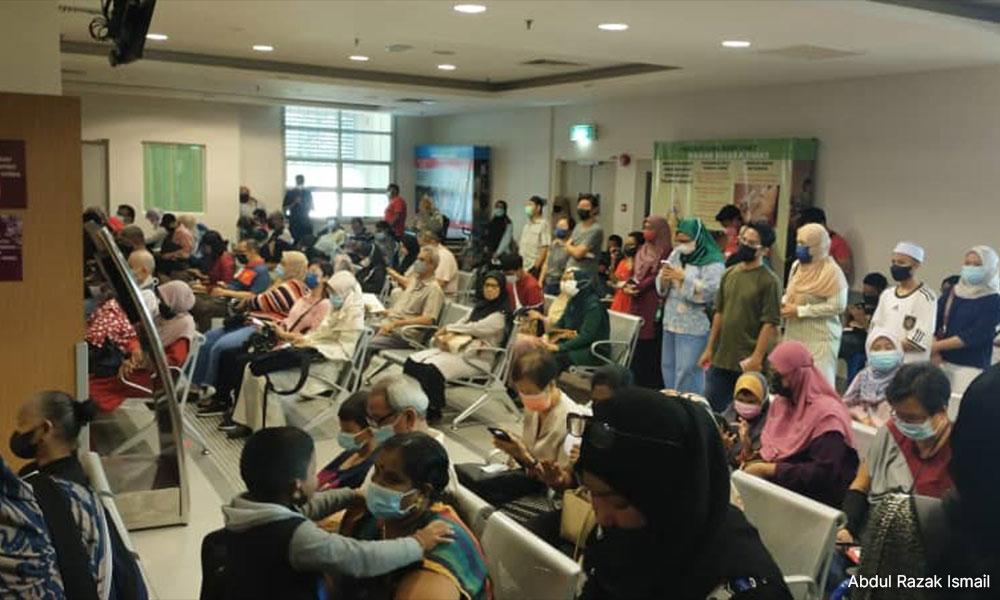
Armin further cautioned that the scheme could erode public trust, compromise the fairness and universality of healthcare, and foster fiscal complacency if the government begins relying on patient payments instead of addressing structural underfunding.
‘Premium economy’
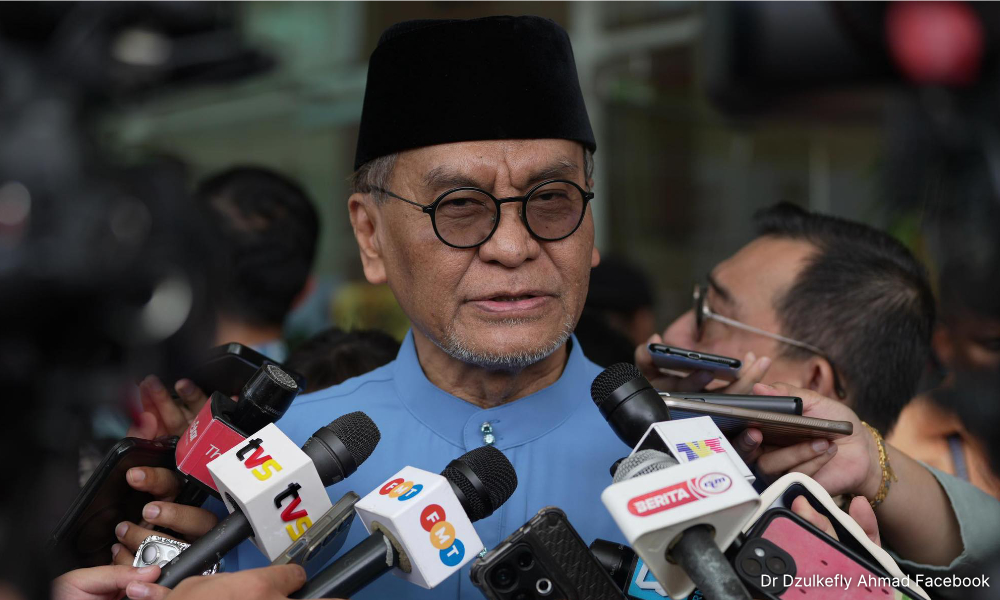
The scheme, announced by Health Minister Dzulkefly Ahmad, is designed to offer “premium economy value-based healthcare services”, with revenue from paying patients used to subsidise care for others.
Dzulkefly also said that Rakan KKM Sdn Bhd is wholly owned by the Minister of Finance Incorporated (MOF Inc), while the Health Ministry will retain control over key decisions concerning the company’s operations.
However, Armin argued that allowing wealth to influence access to treatment represents a shift from a rights-based public healthcare model to one increasingly governed by market forces.
He warned that the absence of regulation, transparency, and an equity framework could open the door to widespread healthcare commodification, ultimately undermining the communities that the public system is meant to protect.
Solve public healthcare issues first
GEM also drew comparisons to dual-practice models in countries like the United Kingdom, Australia, and France, which only introduced such systems after strengthening their public healthcare infrastructure, complete with oversight mechanisms and transparent governance.
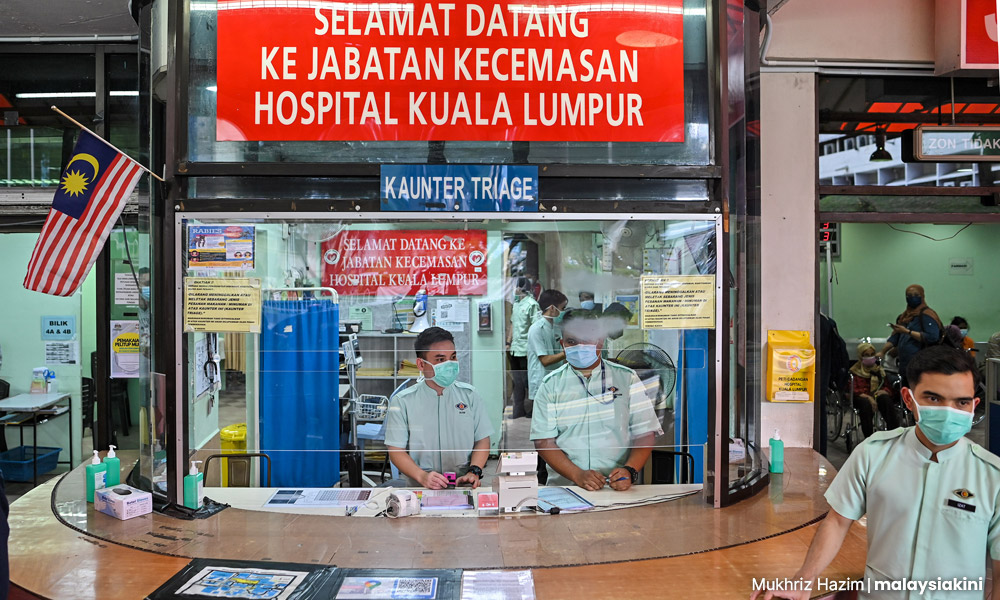
“Malaysia, however, continues to face deep systemic challenges. The Health Ministry has acknowledged a shortage of over 11,000 medical specialists, while public hospitals struggle with outdated infrastructure, staff burnout, and overcrowding.
“In this fragile context, introducing a pay-to-access model like Rakan KKM risks diverting the limited time and attention of public healthcare professionals to affluent patients, thereby eroding both access and quality of care for the wider population,” he said.
“We must never allow a dual-class healthcare system to take root in Malaysia - one that fast-tracks the rich while telling the poor to wait, suffer, or die in silence. Healthcare is not a luxury. It is a right,” he stressed.
Calling the scheme “a moral and social crisis in the making”, GEM urged the government to immediately suspend the programme.
It further called for an independent and transparent review of Rakan KKM’s long-term implications on equity, accessibility, and the integrity of Malaysia’s healthcare system.
“If the government insists on continuing down this road, it will not be reforming the system. It will be abandoning the rakyat,” said Armin.
/file/publisher-c1a3f893382d2b2f8a9aa22a654d9c97/2024/09/87c79f61e4b7ee4cf8b1f834c61f95e9.jpg)
/file/publisher-c1a3f893382d2b2f8a9aa22a654d9c97/2022/10/00900daf1ab37fcedebf25f066daacfa.jpg)
/file/publisher-c1a3f893382d2b2f8a9aa22a654d9c97/2022/10/2a7233d3a013d651805f0271b305b9ec.jpg)
/file/publisher-c1a3f893382d2b2f8a9aa22a654d9c97/2024/10/cfc133bcaff57f8b811a1579872c15c4.jpg)
/file/publisher-c1a3f893382d2b2f8a9aa22a654d9c97/2022/09/b98852fbd029a3753d5ad6b320133a2a.jpg)
/file/publisher-c1a3f893382d2b2f8a9aa22a654d9c97/2023/09/702a0488841d85575baf8128cf57399c.jpg)


Are you sure you want to delete this comment?
This action cannot be undone.