


/file/publisher-c1a3f893382d2b2f8a9aa22a654d9c97/2025/08/ba3f0ee6f7a93fbe130dce341092a823.jpg)

KLIA-bound smuggler nabbed with 30 tortoises at Indian airport
An Indian passenger bound for Malaysia was arrested with 30 baby Indian Star tortoises at the Kempegowda International Airport, Bengaluru, in the Indian state of Karnataka, on Sunday.
According to an official document sighted by Malaysiakini, the 29-year-old man identified as Ashik Ali Shahul Hameed was stopped by the Indian Customs’ Air Intelligence Unit (AIU) before he was about to board Batik Air flight OD242 bound for KLIA.
Summary
An Indian passenger heading from Karnataka, India, to Malaysia has been arrested with 30 baby Indian Star tortoises at the Kempegowda International Airport.
This is the latest in a string of wildlife smuggling attempts by air passengers travelling between India and Malaysia.
An Indian passenger bound for Malaysia was arrested with 30 baby Indian Star tortoises at the Kempegowda International Airport, Bengaluru, in the Indian state of Karnataka, on Sunday.
According to an official document sighted by Malaysiakini, the 29-year-old man identified as Ashik Ali Shahul Hameed was stopped by the Indian Customs’ Air Intelligence Unit (AIU) before he was about to board Batik Air flight OD242 bound for KLIA.
Authorities found the live animals inside his checked-in baggage, which is a species listed under Appendix I of the Convention on International Trade in Endangered Species (Cites), which prohibits commercial international trade.
Indian authorities have detained the man, while the animals have been handed over to the Karnataka Forest Department for rehabilitation.
Previous cases
On July 16, Indian Customs AIU officials rescued 403 live Indian Star tortoises from two KLIA-bound passengers at the Tiruchirappalli International Airport, in the Indian state of Tamil Nadu.
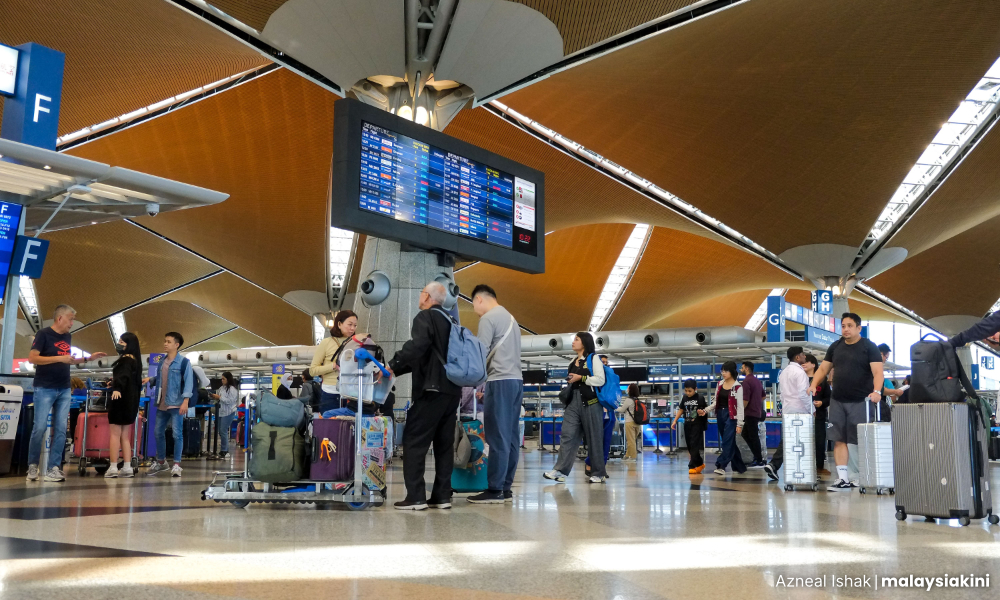
The officials intercepted the two men when they arrived at the airport to board Batik Air flight OD224 and found the live animals inside their luggage. They were arrested, while the rescued animals were handed over to the Trichy Forest Office.
On June 27, Indian authorities rescued a squirrel monkey from a passenger who arrived at the Tiruchirappalli International Airport from KLIA on Batik Air flight OD223.
Acting on a tip, Indian Customs AIU officials checked the passenger’s luggage and found the animal hidden in a box containing clothes.
Indian forest officials said squirrel monkeys are not native to India and are commonly found in Central and South America. It is listed under Appendix II of Cites.
The passenger was arrested while officials sent the monkey back to Malaysia.
Top smuggling hub
Malaysia has emerged as a major transit hub for illegal wildlife trafficking in Southeast Asia and is among the top 10 global smuggling hubs, according to the Global Organised Crime Index.
In June this year, KLIA was identified as a top wildlife smuggling hub into three major Indian airports, with a Thai airport sharing the dubious honour.
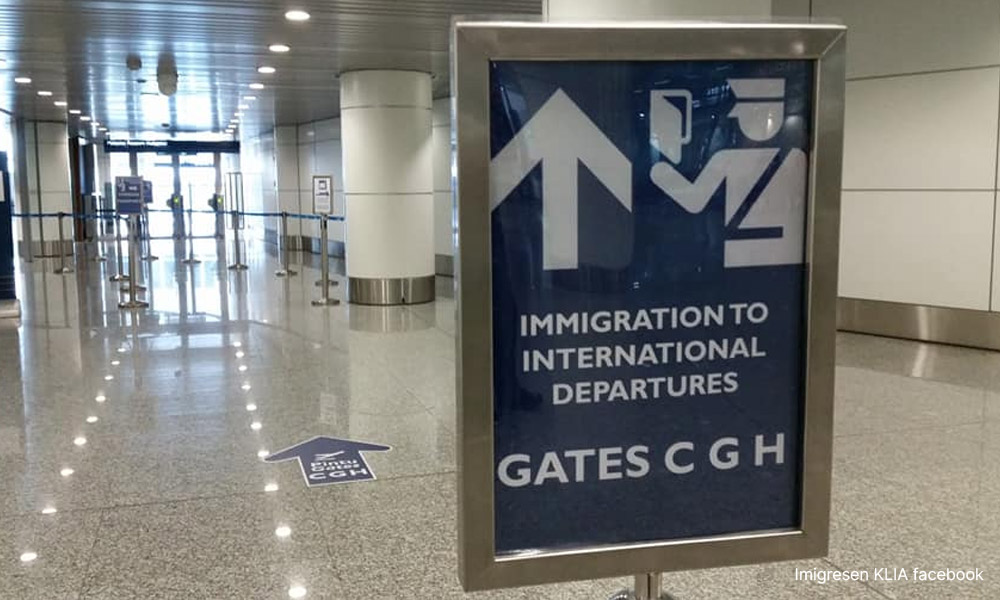
Using data obtained via India’s Right to Information Act, India’s The New Indian Express said that between 2024 and this year, customs officials at Kempegowda International Airport have made 23 wildlife seizures originating from Thailand and Malaysia.
Wildlife trafficking represents a major global criminal enterprise, with demand driven by traditional medicine, exotic pets, jewellery and accessories, and trophy hunting.
The trade threatens biodiversity and is regulated internationally through Cites, of which Malaysia is a signatory.
/file/publisher-c1a3f893382d2b2f8a9aa22a654d9c97/2025/07/ccc511f1737aed6ae717889b79b46fa7.jpg)
/file/publisher-c1a3f893382d2b2f8a9aa22a654d9c97/2024/10/b3d8be28efbd002114776d41ac2d9a0c.jpg)
/file/publisher-c1a3f893382d2b2f8a9aa22a654d9c97/2023/07/49bb3af3efc23ac8d84455977cb4601d.jpg)
/file/1284/e8dccc41c99902c6a4a564c9eaceb572.jpeg)


Are you sure you want to delete this comment?
This action cannot be undone.