


/file/publisher-c1a3f893382d2b2f8a9aa22a654d9c97/2025/08/164577295fdd4fe536c32edb422bc8ea.jpg)

13MP needs to make M-pop popular like K-pop, Amirudin says
PARLIAMENT | The 13th Malaysia Plan (13MP) must address the lack of government support for the creative industry to ensure that local productions are recognised on a global level, said Selangor Menteri Besar Amirudin Shari.
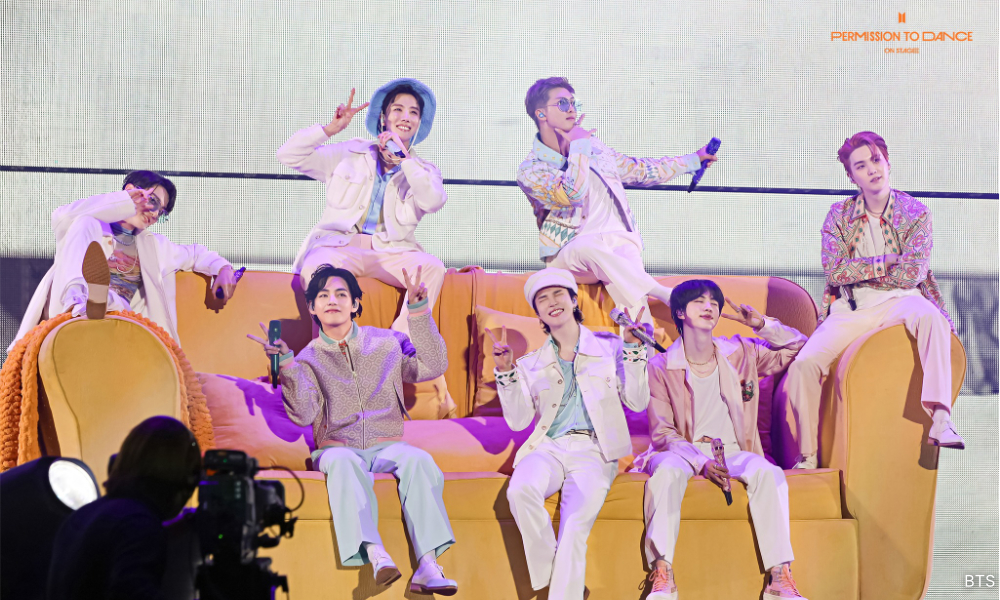
Referencing efforts by the South Korean government to add value to their artistic and cultural activities, Amirudin (Harapan-Gombak) highlighted that such implemented structures did not emerge organically, as they were deliberately established as part of their governmental measures.
Summary
Gombak MP Amirudin Shari says 13MP must address lack of government support for the creative industry.
Amirudin highlights efforts by the South Korean government to add value to their artistic and cultural activities.
PARLIAMENT | The 13th Malaysia Plan (13MP) must address the lack of government support for the creative industry to ensure that local productions are recognised on a global level, said Selangor Menteri Besar Amirudin Shari.
Referencing efforts by the South Korean government to add value to their artistic and cultural activities, Amirudin (Harapan-Gombak) highlighted that such implemented structures did not emerge organically, as they were deliberately established as part of their governmental measures.
“South Korea, which succeeded in creating the K-wave (Korean wave), and even Japan in the 1980s and 1990s, made several major shifts that added great value to their pop culture,” Amirudin said in Parliament today while debating the 13MP.
“For the K-wave, their government’s efforts from the 1990s saw a focus on producing local content, including music, dramas and films, at a massive scale, leading to international hits like ‘Parasite’ and ‘Squid Game’.”
Pointing to South Korea’s 2011 Masterplan for the Promotion of the Content Industry, Amirudin said Malaysia has yet to establish a framework or planning blueprint equivalent to the National Energy Transition Roadmap for the creative industry.
He argued that the cultivation of values in activities that are often dismissed as mere pastimes deserves serious attention from the government and should be allocated appropriate funding to ensure their development is able to meet intended goals.
“The creative economy offers vast room and opportunity to be developed… we cannot focus solely on one sector - we need to build an entire ecosystem, as South Korea has done.
“Until today, Malaysia still lacks a National Creative Economy Policy or Creative Economy Blueprint,” he lamented.
Govt support necessary
Amirudin also pointed out that even at the ministerial level, the cultural portfolio has often been lumped together with tourism and arts, with the Communications Ministry now “largely” overseeing creative matters.
“(This is despite how) the creative economy’s value is vast, and Malaysia already has high-quality examples to show for it. Take Les’ Copaque’s ‘Upin & Ipin’, which made it all the way to Hollywood, or ‘Ejen Ali’ and ‘Mechamato’.
“In previous years, we were immensely proud of our advertising industry - think of those heartwarming Petronas advertisements that became part of our national image,” Amirudin said.
He cautioned, however, that if these forms of value creation are not supported by structured government backing and quality-driven value creation, they risk being lost to time - or worse, stolen and developed elsewhere.
He stressed that such government support is necessary to ensure that 30 years from now, “Malaysian Pop or Malay Pop will be sung across the world and not just in our own country”.
Open to abuse
Syerleena Abdul Rashid (Harapan-Bukit Bendera), in her debate speech, also urged the government to be more aggressive in supporting the country’s creative industry.
Describing the industry’s current state as “menyedihkan” (pathetic), she pointed out that Malaysia’s artistes are still being subjected to ill-treatment and open to abuse.
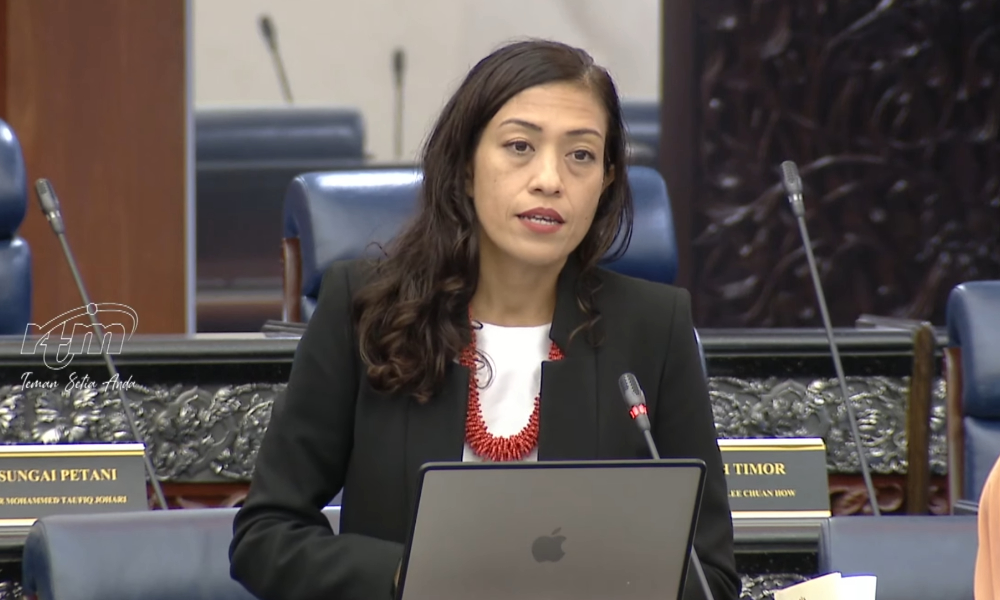
Syerleena gave the example of a case involving comedian Amirullah Azmi, or better known as Amir Raja Lawak, who recently had to beg a TV station to pay their dues so he could support his cancer-ridden father.
“This is not an isolated case - this reflects a broken system that does not put forth the welfare of art performers.
“Where is justice? Where is the protection for our artistes? Why do they have to beg for what is rightly theirs?” she asked.
The DAP representative suggested the government learn not only from Korea but also from Indonesia and Thailand, which have invested significantly in their art industries.
“It is time for us to be more aggressive. Offer interesting packages for international musicians to record their music here - use our studios, sleep at our hotels, and spend their money in our community.
“Market our locations as the best filming spots in this region. But before that, we have to repair our house first. Make sure our artists are paid, protected and respected.”
Reporting by Qistina Nadia Dzulqarnain, Alyaa Alhadjri, B Nantha Kumar
/file/publisher-c1a3f893382d2b2f8a9aa22a654d9c97/2023/12/25f13f6b263607ea4a745a08118697a1.jpg)
/file/publisher-c1a3f893382d2b2f8a9aa22a654d9c97/2022/11/99b2b679a75fc0097fcee99284485508.jpg)




Are you sure you want to delete this comment?
This action cannot be undone.