


/file/publisher-c1a3f893382d2b2f8a9aa22a654d9c97/2024/09/3b4708435d5687f62b316667c1fb24f5.jpg)

KINIGUIDE | Halal food, logos, and interfaith meals
KINIGUIDE | In Malaysia, controversies regarding the halal status of food crop up time and again - whether it’s about halal certification, food names, or even who is preparing the food.
This Kiniguide unpacks the basics of halal rules, the grey areas, and what you need to know whether you’re the one doing the eating or cooking.
What is halal?
In Arabic, it means...
KINIGUIDE | In Malaysia, controversies regarding the halal status of food crop up time and again - whether it’s about halal certification, food names, or even who is preparing the food.
This Kiniguide unpacks the basics of halal rules, the grey areas, and what you need to know whether you’re the one doing the eating or cooking.
What is halal?
In Arabic, it means permissible, and within the gastronomic context, it means food that Muslims are permitted to eat.
In the Islamic faith, the general concept is that all things are permissible unless there is a prohibition, which makes it haram (forbidden).
In this matter, there are four main sources Muslims rely on to decide what food is halal or haram - the Quran, the hadith (sayings of the Prophet Muhammad), as well as scholarly consensus (ijma) and analogical reasoning (qiyas) on grey areas not covered by the other two sources.
For the purpose of this Kiniguide, given that we are in Malaysia, most scholarly consensus will be based on the Syafie school of thought unless specified otherwise.
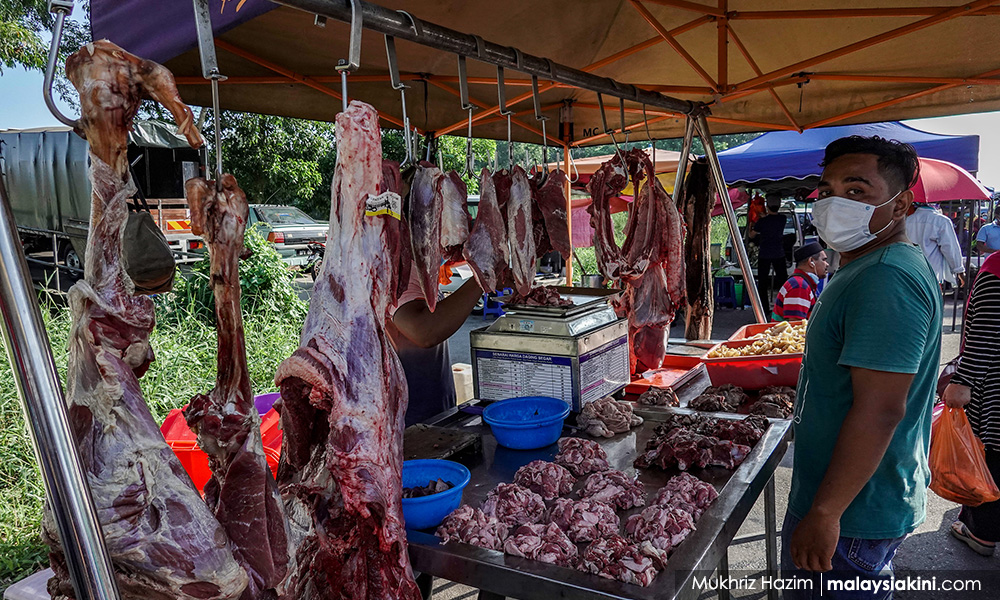
The Quran specifically forbids swine, blood, carrion (an animal that died on its own), animals that are slaughtered in the name of other deities, animals that have been beaten or strangled to death, as well as wine and other intoxicants.
For meat, the Quran says that the name of Allah must be mentioned during slaughter, while seafood is allowed.
Meanwhile, there is a hadith in which the Prophet forbade eating predatory animals that hunt using fangs, and birds of prey that hunt using talons.
This hadith has been interpreted to cover a wide variety of animals, from tigers to lions, eagles and owls, as well as snakes.
So all chicken and beef is ok, right?
As mentioned earlier, land animals that Muslims are permitted to eat must have the name of Allah pronounced upon them when they are slaughtered.
In terms of practice, there are additional conditions, including that the slaughterer must be a Muslim, and that the blade must be sharp enough to make the process swift and painless.
The Islamic Development Department (Jakim) allows for controlled electrical stunning following strict guidelines that must be supervised by a Muslim.
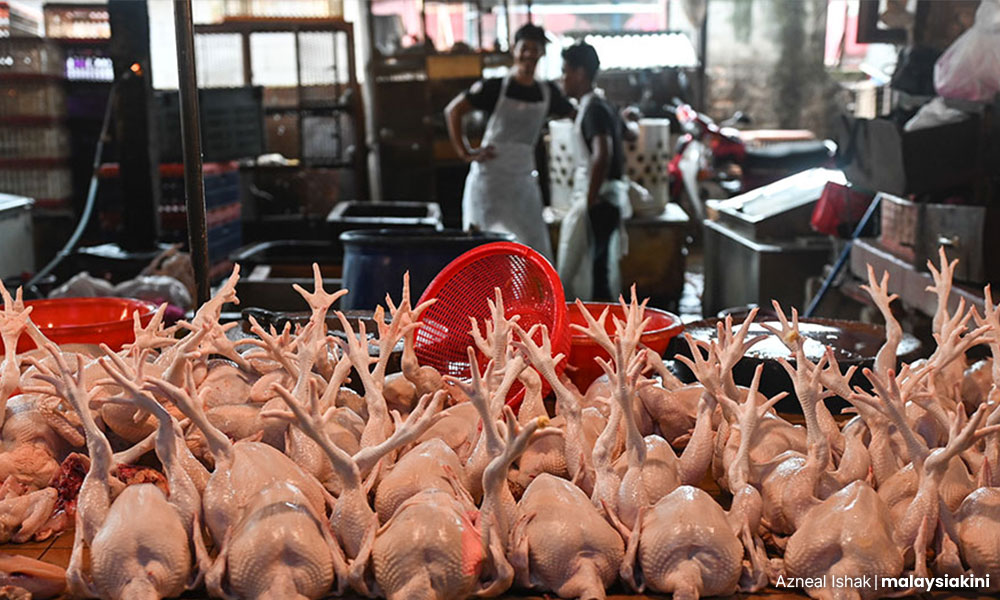
Thus, permissible animals such as chicken, duck, or cow can be non-halal if it does not meet Islamic requirements.
In the Malaysian context, most chicken, duck, or beef available at grocers and supermarkets are halal.
What about fish?
While the Quran makes a specific provision allowing the consumption of seafood, it does not specify what type of seafood is allowed.
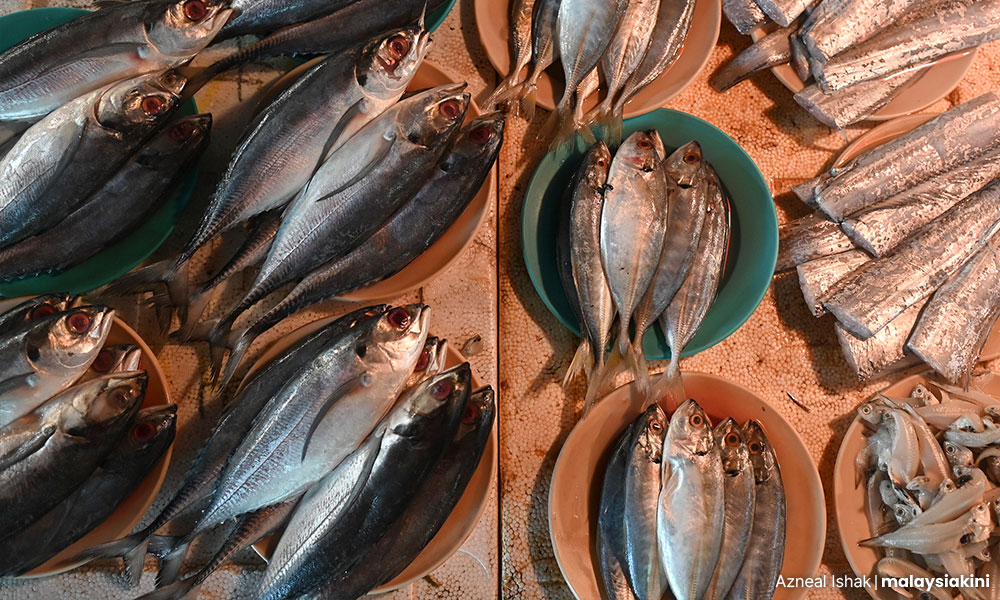
There are disagreements between the Sunni schools of thought on this matter, but the Syafie position is that all seafood is allowed, except those that are poisonous, or can live on land for extended periods.
This makes most crabs halal, as they are not able to live on land for extended periods.
What about frogs and ‘dua alam’ animals?
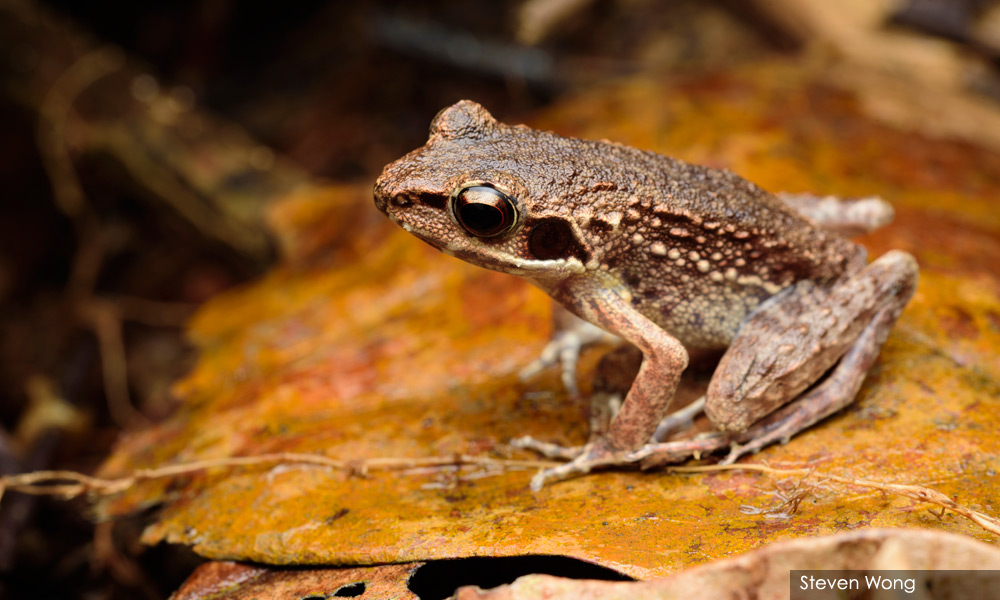
Animals that can live on both land and in water - referred to as “dua alam” (of two worlds) in Malay nomenclature - are considered as haram in the Syafie school of thought.
This includes frogs, crocodiles, and turtles.
Turtle eggs, however, are generally viewed in the Syafie school as permissible.
However, modern day scholars such as former Federal Territories mufti Zulkifli Mohamad Al-Bakri discouraged the practice, citing current laws and the turtles’ endangered status.
What about alcohol?
Alcohol as a drink is not allowed in Islam.
This includes wine being used as an ingredient in cooking, even if the alcohol evaporates during the cooking process.
This is because alcoholic beverages are considered najis (filth), and mixing them into halal food renders the dish haram.
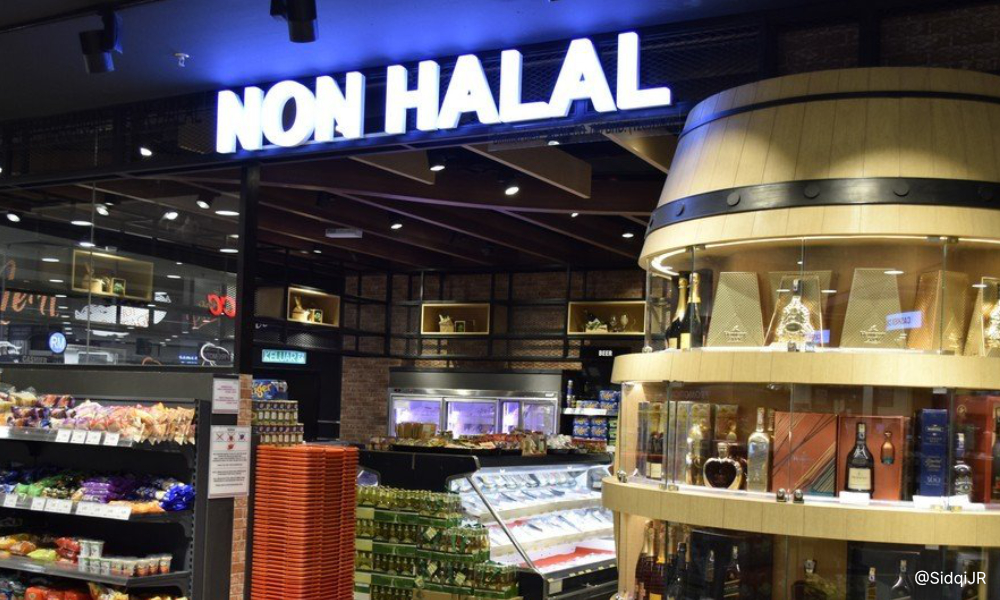
There are some exceptions, however.
Vinegar made of wine that has naturally turned - without the use of additives - is considered permissible.
The National Fatwa Committee states that alcohol as a food stabiliser can also be permitted if it is below 0.5 percent and the alcohol is not a byproduct from producing alcoholic beverages.
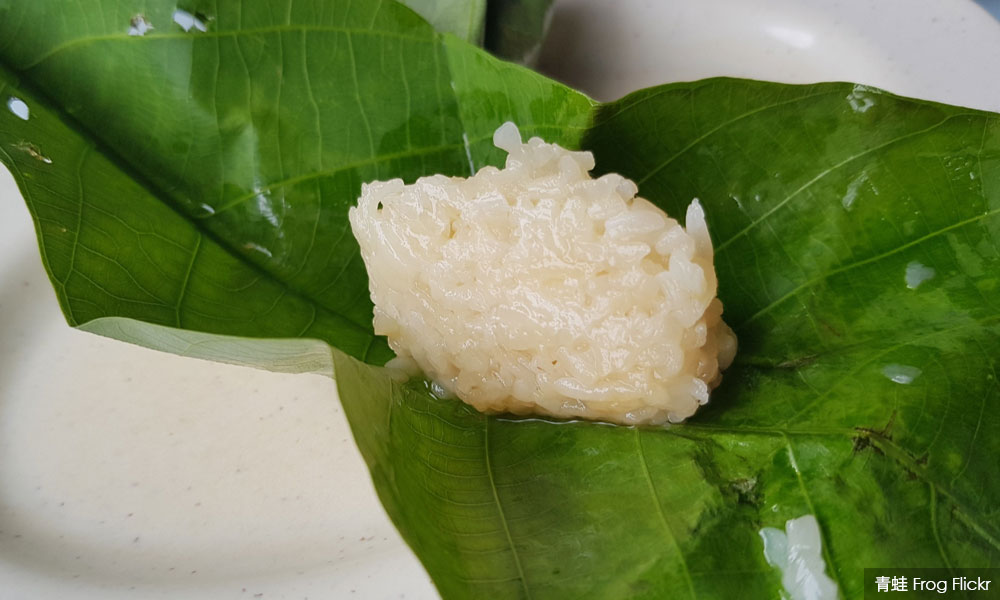
The consensus of local scholars is that food which creates alcohol as a byproduct during fermentation, such as tapai (fermented glutinous rice dessert), can be eaten, as long as it does not cause intoxication.
Can Muslims eat food prepared by non-Muslims?
In general, if the food prepared uses halal ingredients and there is no cross-contamination with pork, lard, or alcohol, then there is no prohibition.
Food that is cross-contaminated with such ingredients is not halal.
Cross-contamination can occur not just from mixing ingredients, but also from cutlery and cookware that have not been properly cleaned.
This fear of cross-contamination is what makes many Muslims wary of eating at places that serve pork.
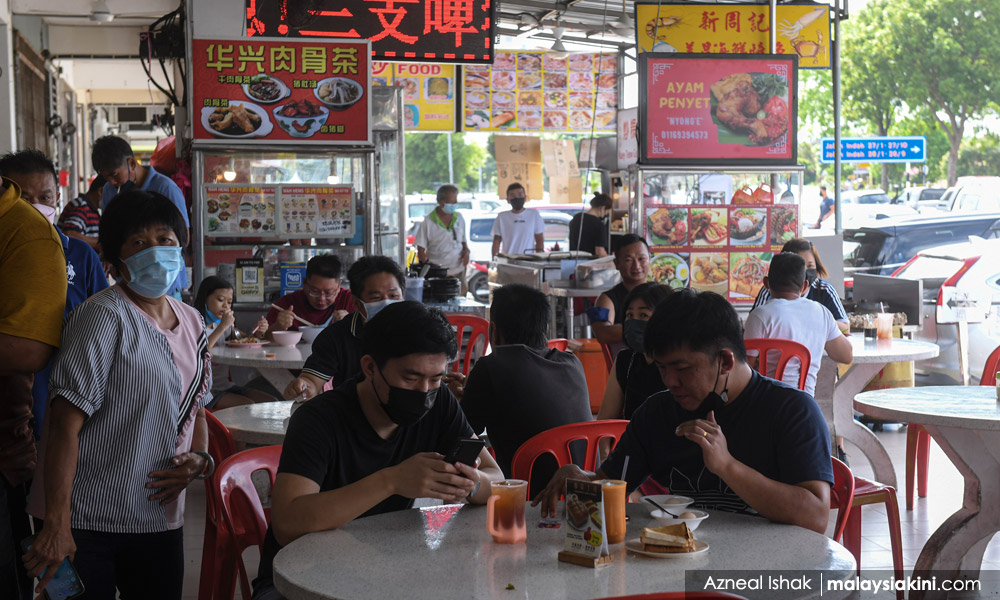
This is due to the principle that if there is doubt (syubhah) whether food is halal or not, then it is best to avoid it.
Do I need to clean cutlery, plates, and cookware with mud if it has been used for pork?
When it comes to plates and cooking, the basic rule is that dinnerware and cookware that appear clean should be considered clean.
But if one sees that it is used for non-halal food such as pork, the majority view in the Syafie school is that it must undergo sertu - commonly referred to as samak - in which an item is washed once with muddy water and six times with clean water.
There is a second opinion in the same school of thought, however, as espoused by Perlis Mufti Asri Zainul Abidin.
Citing Imam Al-Nawawi, a major jurist and guiding figure in the Syafie school, Asri opined that it is sufficient to just give dinnerware or cookware that has come into contact with pork a normal wash, until there is no visible stain.
The argument is that the hadith cited to justify sertu when it comes to pigs, only refers to dogs.
For alcohol, it is sufficient for items to just be cleaned until there is no trace of the alcohol.
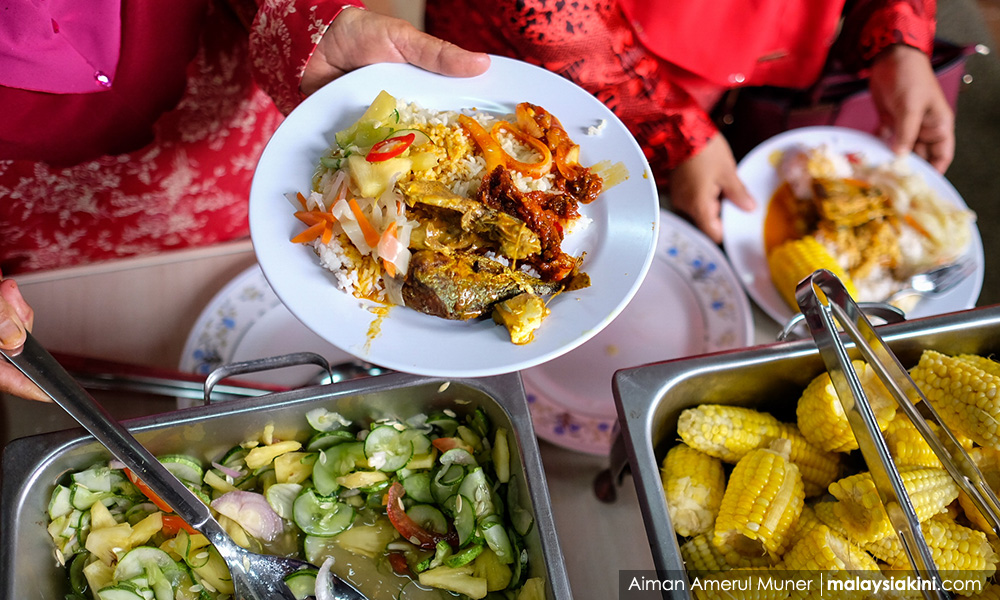
For non-Muslims wanting to be ultra-safe during open houses when entertaining Muslim guests, disposable plates and halal catering are an option.
What’s this thing about ‘darurat’?
In the case of an emergency (darurat in Malay) - specifically if it is a matter of life and death - the prohibition on haram food is excused.
However, this is assuming all options for halal food and drink have been exhausted.
For example, a person lost in the wilderness and on the brink of starvation can eat wild boar as a means of survival.
Is halal food bought using cash from non-Muslims still halal?
The source of cash does not impact the halal status of food itself.
However, it is forbidden for Muslims to eat food paid for using cash obtained through haram means such as corruption, gambling, robbery, prostitution, and such.
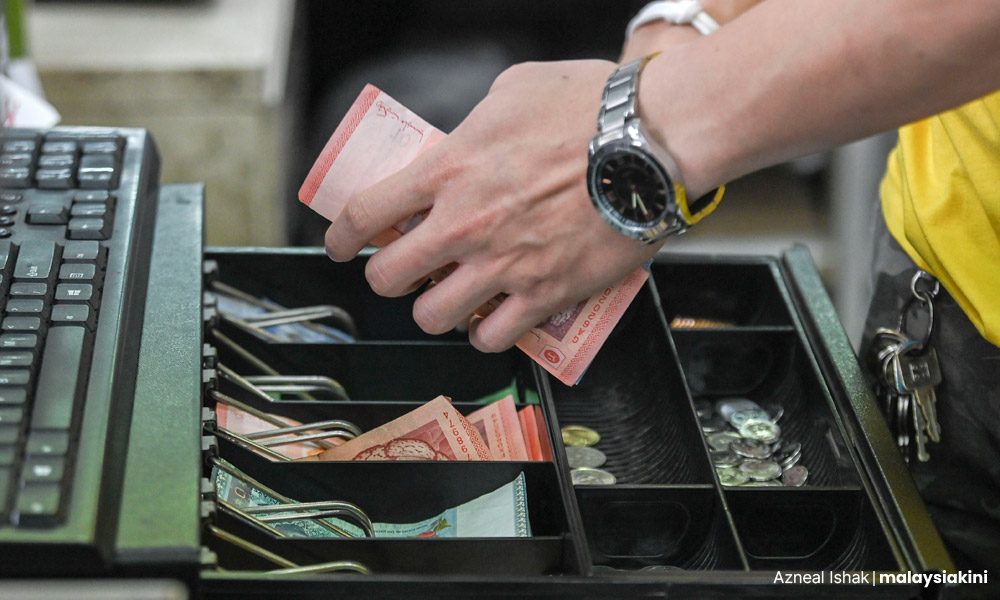
Despite this, asking for the source of cash is not a requirement.
Do the names of food matter?
Malaysia has seen controversies regarding the perceived halalness of food because of its name.
This includes pretzel dogs and ham.
In theory, names do not affect whether or not a food item is halal or not.
As former religious minister Jamil Khir Baharom once put it, what’s important is ingredients.
However, getting certified as halal by Jakim is a different matter.
What is halal certification and logo?
Halal certification is a process in which a food product, an eatery, or a food and beverage manufacturing place - including central kitchens - is certified by an Islamic authority as meeting halal food requirements.
It covers not just the food and ingredients used, but also the cleanliness aspects.
Those certified are then entitled to use halal logos issued by such authorities.
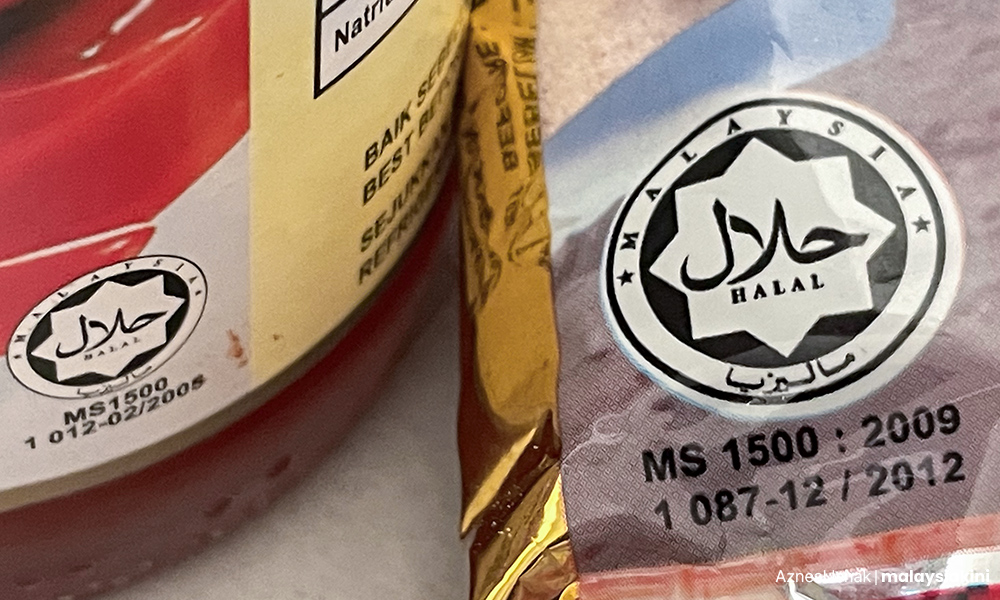
In Malaysia, certification is done by Jakim.
Jakim also maintains a directory of halal certification by other countries, which it acknowledges as valid.
Does food need to be certified halal to be halal?
No, halal food and eateries do not need halal certification to be considered halal.
However, halal certification is considered as a mark of trust in the halalness of a product or food item.
In short, halal certified food is halal, but not all halal food are certified.
In Malaysia, falsely claiming to be halal certified, and fraudulent use of a halal logo is a criminal offence.
What is the halal certification process like?
Jakim’s halal certification process is an extensive one.

It covers the entire supply chain to ensure that halal and cleanliness standards are met at all stages.
If I use halal ingredients, can I use the halal logo?
No. The use of halal-certified ingredients does not mean a product, or shop selling it, is halal certified.
A restaurant chain, for example, will need each outlet as well as its central kitchen certified.
Meanwhile, a bakery that produces ready-to-eat food will have to have each product certified before it can put a halal logo on the packaging.
Do names affect halal certification?
Yes. The certification guideline by Jakim - issued in 2020 - states that the companies, products, menu items, and brands with names referring to, are synonymous with, or are the same as non-halal items, are not eligible for halal certification.
This includes root beer, ham, hot dog, bacon, bak kut teh, char siew, gyoza, ramen, merlot, margarita, and tequila, among many others.
However, the guidelines state that exceptions can be made if there are additional descriptors or names added to distinguish the product seeking to be certified from its non-halal counterpart.
Examples cited in the guidelines include carbonara ramen, chicken gyoza and beef sausage cocktail.
/file/publisher-c1a3f893382d2b2f8a9aa22a654d9c97/2025/09/94da3a1eaf01eb1f432d81822c5180d7.jpg)
/file/publisher-c1a3f893382d2b2f8a9aa22a654d9c97/2025/07/0e793de6238975bd69ba2423bea60a09.jpg)
/file/publisher-c1a3f893382d2b2f8a9aa22a654d9c97/2024/12/4cd911e642e847e56a3061a3320501ce.jpg)
/file/publisher-c1a3f893382d2b2f8a9aa22a654d9c97/2025/02/d6e8496a5c0c6e0a2aadbe9a1573e466.jpg)
/file/publisher-c1a3f893382d2b2f8a9aa22a654d9c97/2020/10/0b58ceb8a0736b50e49b15b5446f4a00.jpg)


Are you sure you want to delete this comment?
This action cannot be undone.