


/file/publisher-c1a3f893382d2b2f8a9aa22a654d9c97/2025/08/c3db0e05f2ffcdb154d7f7eabd3cea47.jpg)

Opposition says tariff caucus in the dark, compares Cambodia-US deal
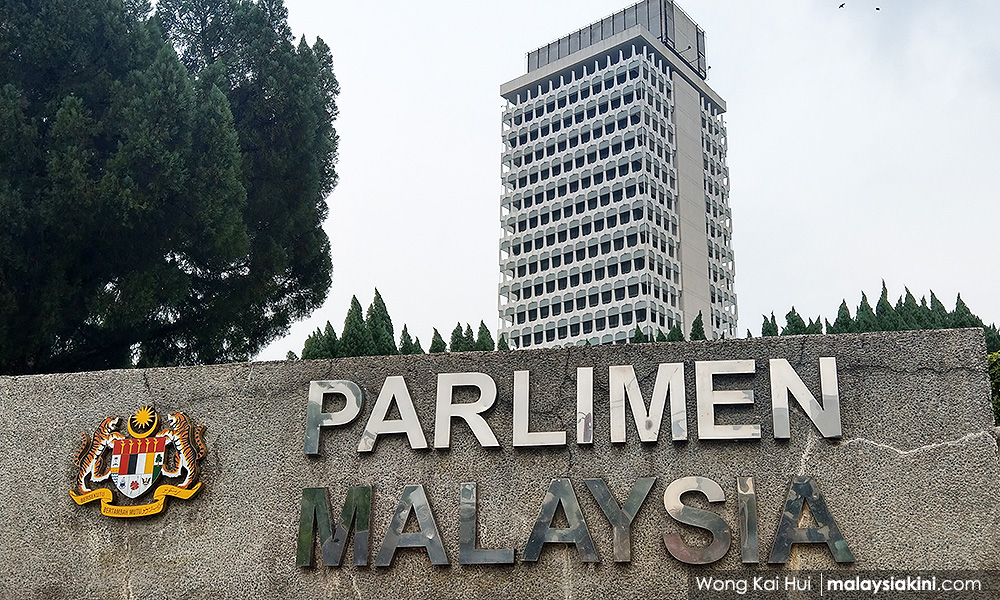
PARLIAMENT | The opposition has questioned why they were not given any opportunity to provide input on the reciprocal tariffs imposed by the United States against Malaysia before the recent signing of the bilateral agreement between the two countries.
Radzi Jidin (PN-Putrajaya) told the Dewan Rakyat that a caucus had been formed by the government, and this was communicated through the opposition leader last May to discuss the matter.
PARLIAMENT | The opposition has questioned why they were not given any opportunity to provide input on the reciprocal tariffs imposed by the United States against Malaysia before the recent signing of the bilateral agreement between the two countries.
Radzi Jidin (PN-Putrajaya) told the Dewan Rakyat that a caucus had been formed by the government, and this was communicated through the opposition leader last May to discuss the matter.
However, he said, members were never called to meet before the agreement was finalised.
“I was one of the members representing the opposition. The purpose of this caucus was for us to give our views. Now, people outside are wondering why we are only giving our views now.
“Let me make it clear to the public - although the letter was sent to the opposition leader on May 16 and we had submitted names to be included in this caucus, we were never called to a single meeting. There was no avenue for us to express our views.
“This is not a small matter. The government cannot treat it as trivial. I want to put on record that while there was a call for the opposition to be part of the caucus, it never convened even once.
“Is this what the government means by being ‘inclusive’ and open to opposition views?” he stressed.
He said this while interjecting during the winding-up speech by Deputy Investment, Trade and Industry Minister Liew Chin Tong in the Budget 2026 debate in Parliament today.
For the record, parliamentary caucuses are informal groupings of MPs who deliberate on specific topics.
Comparison with Cambodia-US agreement
Radzi, who is also Bersatu vice-president, went on to compare the Malaysia-US trade agreement with a similar agreement between Cambodia and the US.
He noted that despite both countries facing the same US tariff rate of 19 percent, there were stark differences in the terms of the agreements.
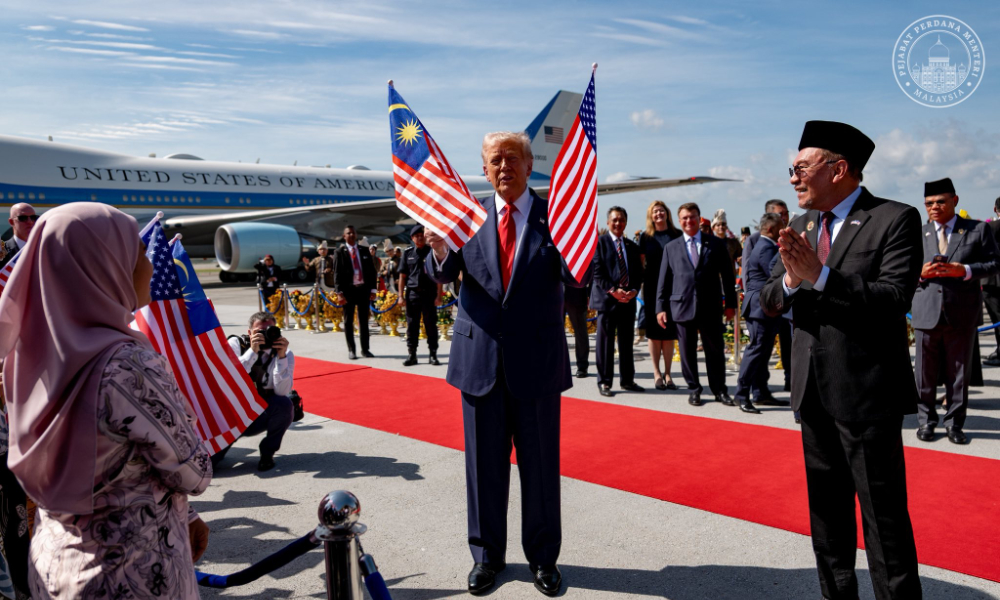
“That’s why I question why our approach appears overly restrictive and specific in this context - even though we’re dealing with the same tariff rate and aiming for reductions similar to Cambodia’s.
“In Cambodia’s agreement, I don’t see it being that detailed, but ours is extremely specific.
“So I want clarification - what exactly is this ‘critical infrastructure’ being referred to? What kind of access does the US have? And why have we inserted such a binding clause compared to Cambodia’s?” he asked, citing Article 3 of the agreement.
Liew: Unfair comparison
In response, Liew (Harapan-Iskandar Puteri) said it was unfair for the MP to directly compare the two agreements.
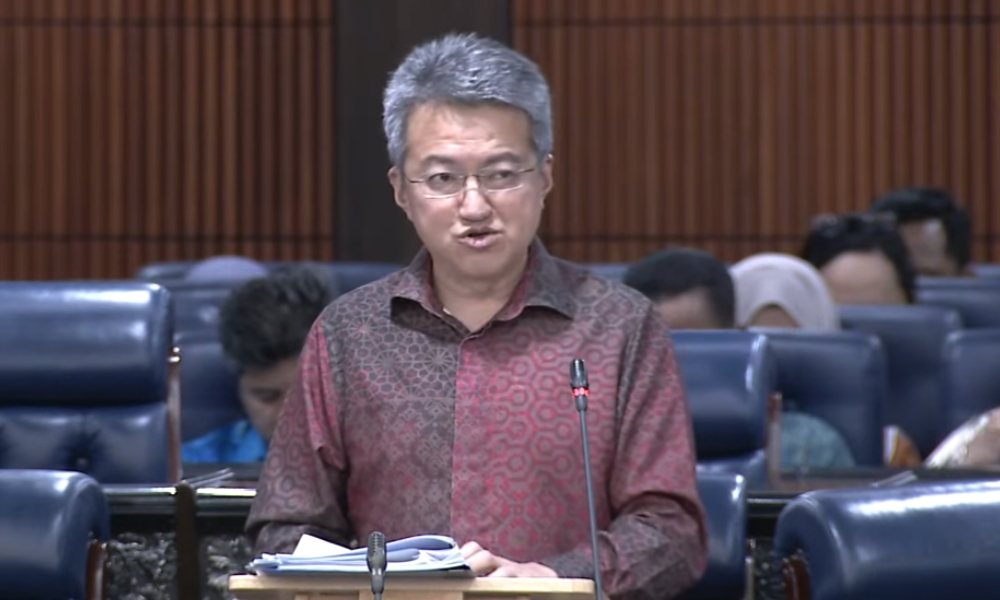
“Cambodia indeed has an agreement with the US, but as a result of that, Cambodia has eliminated all tariffs on the US. We did not eliminate all tariffs,” he said.
Liew pointed out that Cambodia’s deal allowed US companies to invest in the country’s rare earth elements (REE) sector, including exploration, extraction, and processing.
“We (Malaysia) did not. We still have room for negotiation, so it’s not fair to compare our tax structure with Cambodia’s.
“Our current policy does not allow the export of raw REE unless approved by the cabinet. We want to develop downstream industries domestically, which is why we prohibit raw REE exports.
“Our policy towards the US is the same,” he added.
Reporting by N Faizal Ghazali, Alyaa Alhadjri, and Qistina Nadia Dzulqarnain
/file/publisher-c1a3f893382d2b2f8a9aa22a654d9c97/2025/09/ec2f0f95d87cedba9e807a94afffec95.jpg)
/file/publisher-c1a3f893382d2b2f8a9aa22a654d9c97/2024/11/b967da2aaf676f6860ddc2f632f854f4.jpg)
/file/publisher-c1a3f893382d2b2f8a9aa22a654d9c97/2024/10/b0604e71c2c76e58ffea999662584609.jpg)
/file/publisher-c1a3f893382d2b2f8a9aa22a654d9c97/2025/10/2bf4e6c17bce86b0e69c8ab2603b1ff0.jpg)
/file/publisher-c1a3f893382d2b2f8a9aa22a654d9c97/2025/10/1aaa8906186cde10a6b2bf4b7c3b1703.jpg)
/file/publisher-c1a3f893382d2b2f8a9aa22a654d9c97/2024/11/d76da67dda221e54302bb47c86a2c3df.jpg)


Report this comment
Are you sure you want to delete this comment?
This action cannot be undone.