


'Less European, more M'sian': PN MP moots Tugu Negara renovation
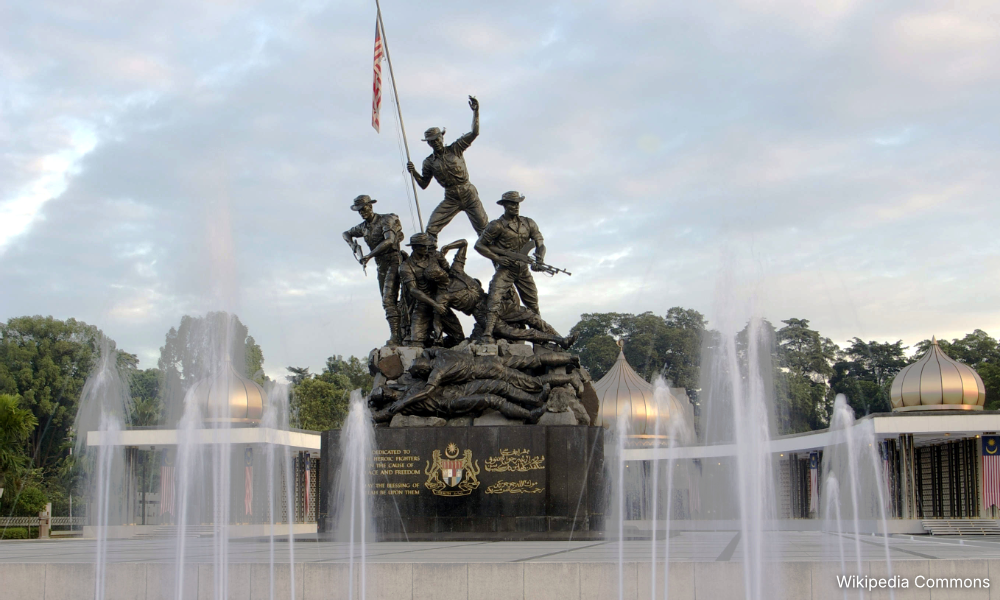
Kalam Salan (PN-Sabak Bernam) argued the existing monument - which was launched in 1966 - features a bronze statue of soldiers that look like Europeans.
This, he said, was akin to idolising those who colonised the...
PARLIAMENT | An opposition lawmaker today suggested Putrajaya renovate the iconic Tugu Negara to better reflect local soldiers who fought for the country's independence.
Kalam Salan (PN-Sabak Bernam) argued the existing monument - which was launched in 1966 - features a bronze statue of soldiers that look like Europeans.
This, Kalam (above) said, was akin to idolising those who colonised the country rather than those who died fighting for its freedom.
"It is a symbol of our country’s independence. If we look there, the statue holding the flag represents our national heroes - a symbol.
"But if you look at their faces, their sharp noses look more like Europeans. Why not change them to have shorter noses, like Asians, like Malaysians?
"Our faces... our noses aren’t that sharp, like mine, right? It is as if we are glorifying European fighters - the ones who colonised us.
"So I suggest, in the future, if we want to renovate, let’s renovate the Tugu Negara - which promotes the spirit of nationalism and patriotism - to make the statues look more like Asian people," Kalam said when debating the 2026 Supply Bill at the committee stage.
The Bersatu representative touched on the topic when seeking an explanation from the government over its plan to spend some RM600 million to uplift several historical buildings, including the Carcosa Seri Negara in Kuala Lumpur.
Kalam questioned why Putrajaya did not include the national monument in its facelift project.
Under the Supply Bill tabled by Prime Minister Anwar Ibrahim last month, the government said Khazanah Nasional Berhad would fork out RM600 million to fund uplifting works of Carcosa Seri Negara and six building blocks at the Sultan Abdul Samad Complex.
According to VisitSelangor.com, Tugu Negara was built to commemorate fallen warriors who served the country during the fight for independence, especially during World War II and the Malayan Emergency - a time when the colonial British troops took on the communists between 1948 and 1960.
The monument was designed by Austrian sculptor Felix de Weldon and unveiled to the public in 1966.
Reporting by Qistina Nadia Dzulqarnain, Hariz Mohd, B Nantha Kumar




Report this comment
Are you sure you want to delete this comment?
This action cannot be undone.