


/file/publisher-c1a3f893382d2b2f8a9aa22a654d9c97/2025/12/8647f1e60f02e75cf8ff345e14c918c0.png)

Journo-filmmaker Chen's quiet ascent to global screens
Yet, she is constantly navigating, physically and artistically, the borders of her craft and country.
This year, her feature-length documentary “Queer As Punk” achieved what very few Malaysian films have: selection by...
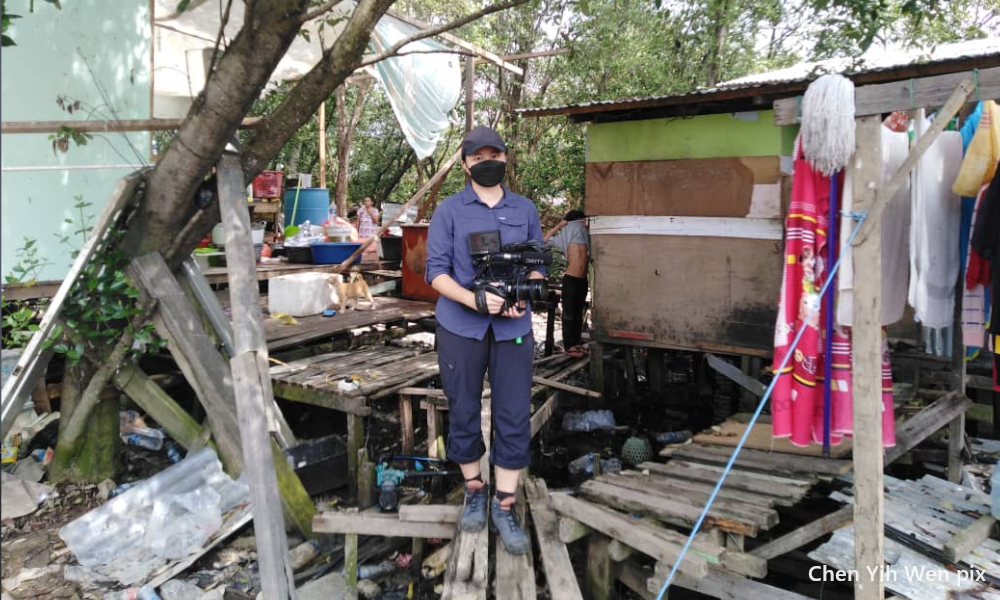
MALAYSIANSKINI | Dressed almost invariably in black, with a trusty heavy camera often slung across her back, documentary filmmaker and journalist Chen Yih Wen is a familiar fixture at major news events in Malaysia.
Yet, she is constantly navigating, physically and artistically, the borders of her craft and country.
This year, her feature-length documentary “Queer As Punk” achieved what very few Malaysian films have: selection by the Berlin International Film Festival (Berlinale), the International Documentary Film Festival Amsterdam (IDFA), and Canada’s Hot Docs.
Such recognition is a landmark moment in the history of Malaysian documentary cinema.
However, Chen’s achievement went largely unpublicised online or on her social media, leaving many Malaysians unaware of her success.
Being a quiet presence may simply be her personality, or perhaps a carefully considered choice in a climate demanding discretion.
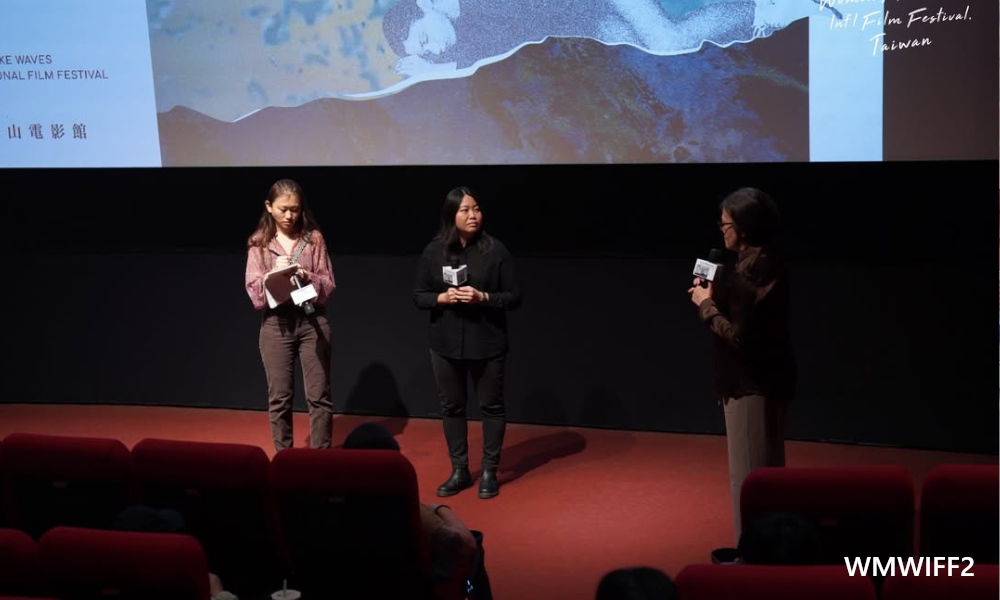
After more than seven years of cross-border filming, fundraising, and post-production, “Queer As Punk” finally premiered to audiences worldwide on the big screens of these major international festivals.
In the chilly October air in Taipei, Chen walked into a dim screening hall, still in her simple black attire, so quiet she nearly blended into the background.
When the personal is political
The film follows a Malaysian punk band. Chen intimately captures pivotal moments in the lives of the band’s three members while also sketching the turbulent political and social shifts in Malaysia over recent years.
“This story is about human spirit, solidarity, and the power of chosen family,” she wrote in her director’s statement.
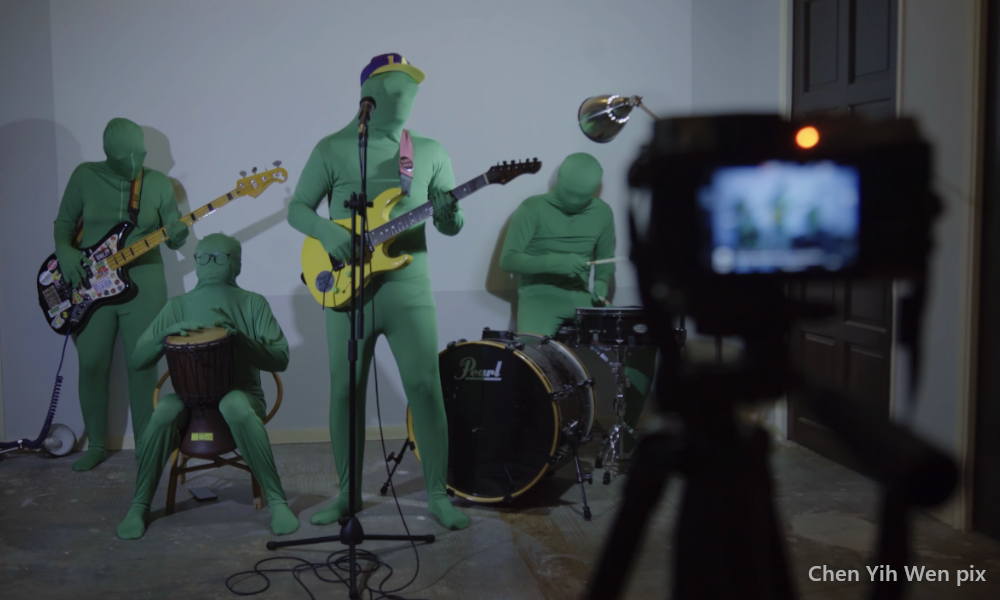
Chen began following the band on their tours inside and outside Malaysia in 2017, initially planning to document their indie band life on the road for a year.
But the years that followed saw Malaysia experience its first change of federal government, the Covid-19 pandemic, the Sheraton Move, and a series of law enforcement actions targeting sexual minorities.
The evolving lives and creative expressions of the three protagonists became a reflection of these broader political and social transformations taking place in Malaysia.
“I later realised this film documents how the band responded to political change. I felt it was important to include that context, because the political environment shapes all of us,” she told the audience during a post-screening dialogue in Taipei.
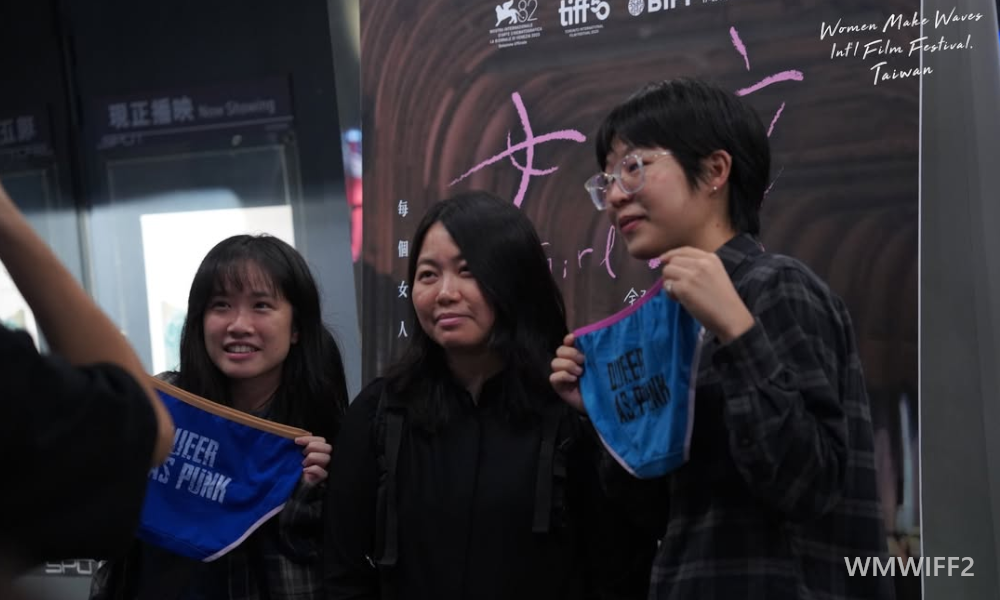
Chen studied filmmaking in Melbourne, Australia, with a minor in advertising. After returning home, she worked as a producer in production houses before moving into journalism.
“The art… cannot eat one,” she joked playfully in Chinese, a language she is currently practising diligently, during an interview with Malaysiakini in Taipei.
Across the seven years she spent self-funding her independent documentary work, she first worked for a major English-language daily in Malaysia, and later became a freelance videographer and producer, collaborating with international platforms including CNA (Singapore), BBC, and Netflix.
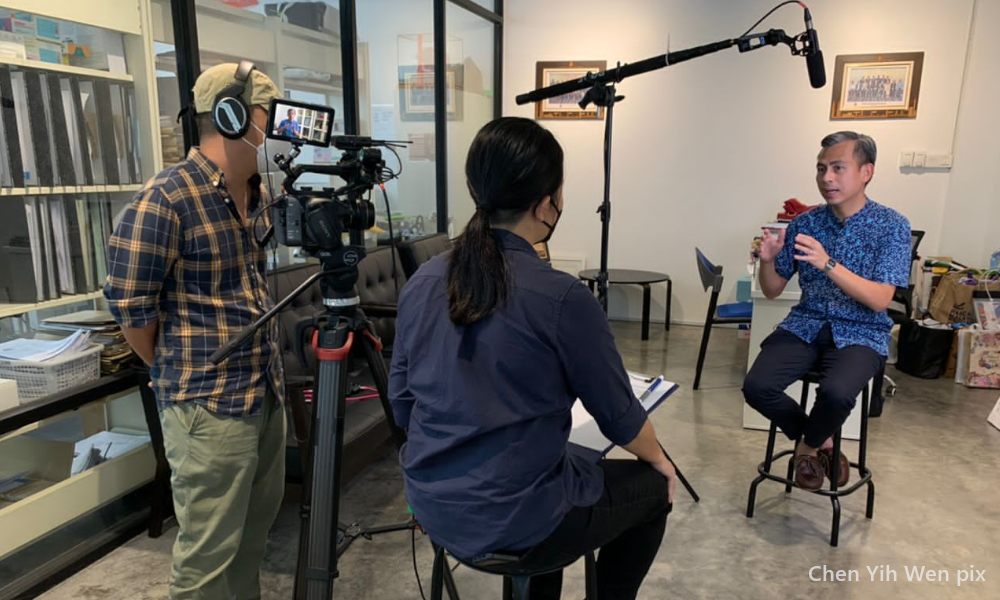
This duality defined her approach: journalism sharpened her grasp of political currents and public affairs, while documentary filmmaking, as a craft, brought her close to the subtle, nuanced realities of individual lives.
“A queer viewer once told me she cried watching the protagonist vacuuming the car,” Chen recalled, highlighting the power of mundane everyday life.
She believes news media, government institutions, and sometimes even queer communities themselves often reinforce a narrow, sensational stereotype of queer as being “out and loud”, flamboyant, and outlandish.
“And all these right-wingers also used to see people like that as ‘rebels’ or like ‘deviants’, or whatever.“
“But in fact, even a drag queen, when she goes home, will also wear like us and go tapau dinner. So, as a filmmaker, whoever the characters are, it’s about showing how they live their lives.”
A lonely craft in a restrictive climate
Besides grounding her craft in real-world experience through journalism, Chen said she continuously refines her visual language by watching films at various festivals, absorbing and developing an aesthetic sensibility distinct from conventional TV documentary formats.
Back in 2010, her debut short film, “Like Toy Dolls”, about the issue of abandoned babies, won the BMW Shorties Grand Prize. Following that, she directed several fictional shorts, including “Memoria” (2011), “Shades of Grey” (2010), and “Chicken” (2014).
In 2017, she produced and directed her first feature documentary, “Eye on the Ball” (2019), a two-year project on Malaysia’s blind football team. In 2019, she produced “The Hidden Cut”, a news feature on female circumcision, which won the Sopa Award for Excellence in Reporting on Women’s Issues.
More recently, she completed the short documentary “The Boys Club” (2022). It is a piercing reflection using her calm narration and poetic scenery shots to unpack her solitary experience of facing sexual harassment at work.
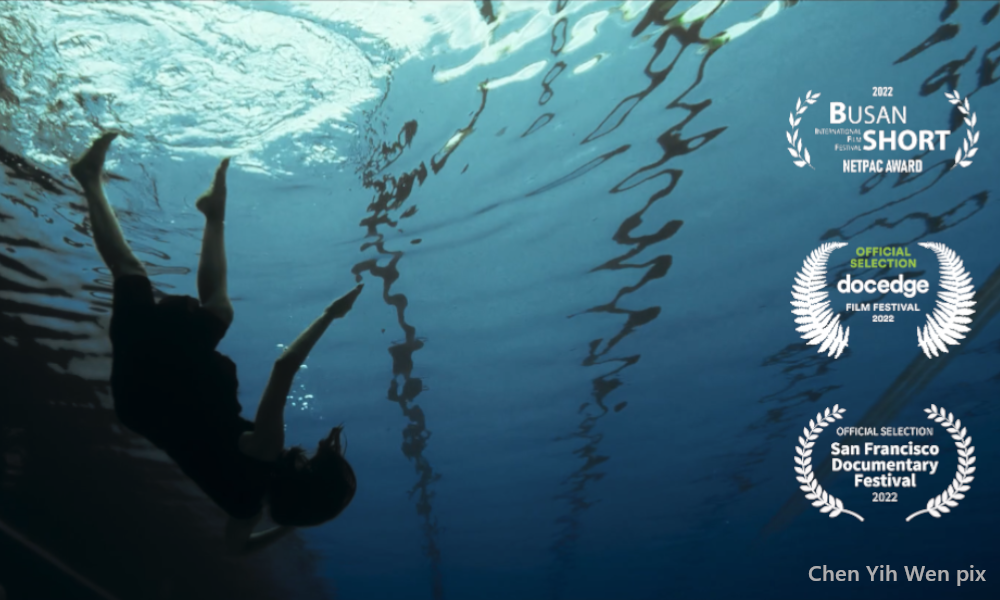
The film premiered at the Busan International Short Film Festival (BISFF), won the Network for the Promotion of Asia Pacific Cinema (Netpac) Award, and toured several countries, including the United States, New Zealand, Germany, Thailand, and India.
“I actually feel that it’s very lonely to make creative documentaries in Malaysia,” she admitted.
“Nobody understands what I’m doing, even though this is already my second feature.”
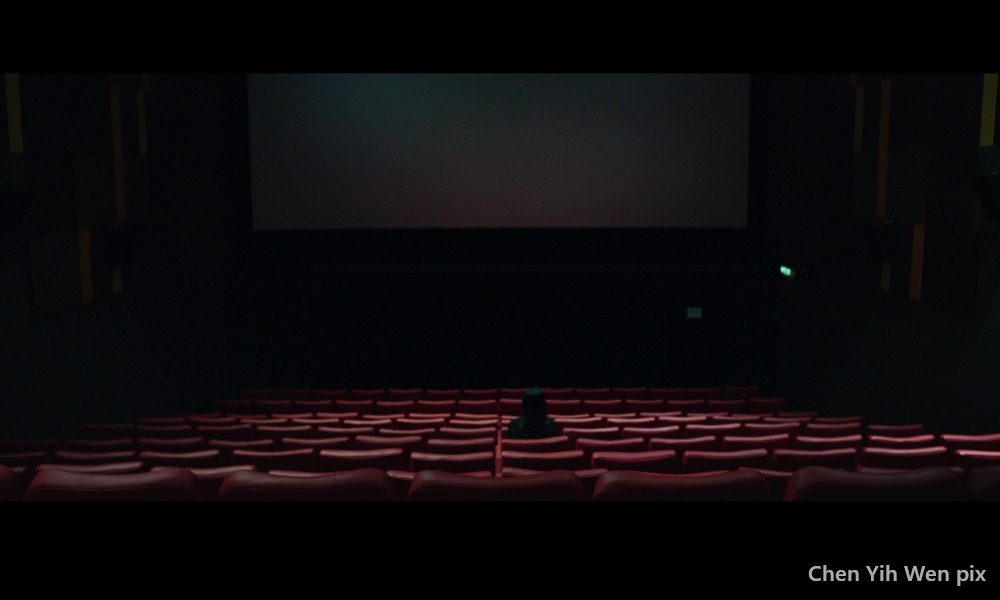
Chen shared that under Malaysia’s restrictive censorship climate, independent documentary filmmaking grows painfully slowly. Opportunities for creators to exchange ideas or nurture a supportive creative ecosystem are scarce.
It took years to raise production funds for “Queer As Punk”, a winding process that saw her pitch the project across Indonesia, New Zealand, the United States, Bangladesh, Australia, Canada, Scotland, Germany, the UK, and Taiwan.
Through various pitching forums and workshops, she eventually secured some funding, met her future distribution partner, and, perhaps most crucially, found a community. She met friends like her co-producer Mandy Marahimin and editing consultant Takeshi Hata, with whom she could discuss documentary films as an art form.
“I’m always very happy and very grateful whenever I travel to pitch my project, because it is when I meet my friends who understand the work that I’m trying to do,” she said.
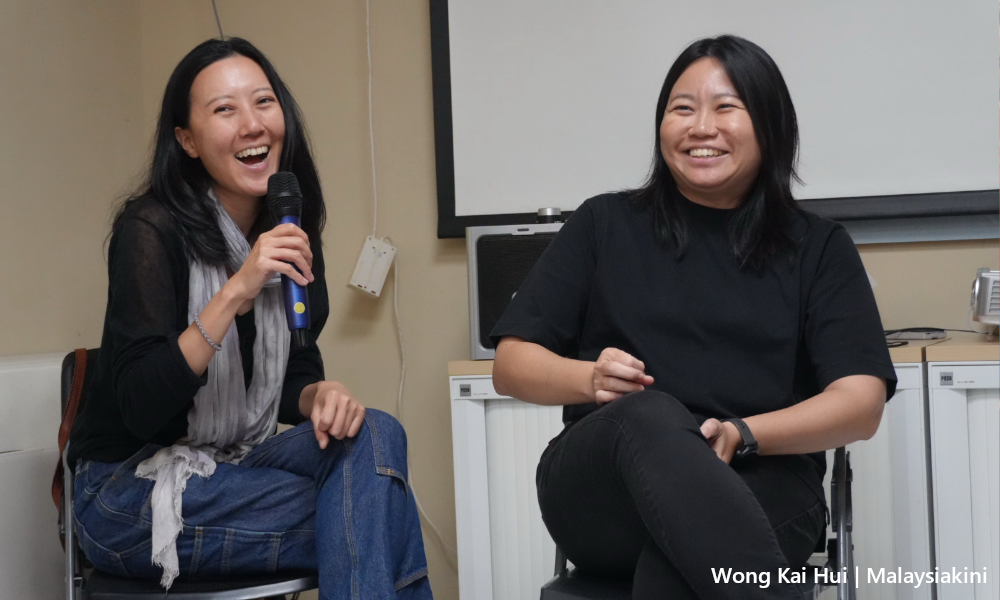
Queer As Punk is the longest documentary project she has ever worked on, and it is also the most internationally recognised, selected by over 50 festivals worldwide, with awards continuing to roll in.
What does this global recognition mean to her? Pausing for a moment to think, Chen replied that it is less about gaining validation and more about growth.
“For me, it’s more about understanding where my work stands, it’s about proving myself where I stand in the global history, and then thinking about how I can be better for the next one.
“I think it’s important that I grow in my craft also and not feel like, just because I achieved this, I am the greatest.”
Due to the sensitive nature of its subject matter, “Queer As Punk” is unlikely to be screened publicly in Malaysia, a reality Chen regrets.
Quietly moving between borders, she promotes the film through international festivals and word of mouth, hoping it will still reach more Malaysian audiences overseas.
MALAYSIANSKINI is a series on Malaysians you should know.
Visions of vulnerability: Hyrul Anuar's artistic journey
20 years on, FreedomFilmFest still all about nation-building
From astronaut ambition to advocacy through animation
How Kurosawa and punk rock shaped Finas chairperson
Nadira Ilana tells hard truths about Sabah through films
Newcomer artist loves to slip Easter eggs into his paintings
/file/publisher-c1a3f893382d2b2f8a9aa22a654d9c97/2025/10/8bfee372565896d452ab838c640b28e2.jpg)
/file/publisher-c1a3f893382d2b2f8a9aa22a654d9c97/2025/07/d627a690c6e3562181f2b0404dc0deca.jpg)
/file/publisher-c1a3f893382d2b2f8a9aa22a654d9c97/2024/09/f9fa3062327545cc31292753451ca647.jpg)
/file/publisher-c1a3f893382d2b2f8a9aa22a654d9c97/2024/09/145554593c35944bd6c91f769ee9858c.jpg)


Are you sure you want to delete this comment?
This action cannot be undone.