


/file/publisher-c1a3f893382d2b2f8a9aa22a654d9c97/2025/10/8bfee372565896d452ab838c640b28e2.jpg)

'Fear kills creativity': Asean filmmakers find freedom in restriction
Filmmakers must not let fear of censorship, criticism, or social expectations dictate their storytelling, warning that creative hesitation stifles originality and dulls “the joy of filmmaking.”
Speaking at the Asean Creative Youth Forum, Malaysian film editor Affandi Jamaluddin said too many filmmakers hold back their ideas before they even begin, paralysed by “imagined limits”.
Filmmakers must not let fear of censorship, criticism, or social expectations dictate their storytelling, warning that creative hesitation stifles originality and dulls “the joy of filmmaking.”
Speaking at the Asean Creative Youth Forum, Malaysian film editor Affandi Jamaluddin said too many filmmakers hold back their ideas before they even begin, paralysed by “imagined limits”.
“Please do whatever you think is right first. Because if not, it will govern your work ethics, creativity, and you will stop being creative,” he said.
The discussion, which took place at the Akademi Seni Budaya dan Warisan Kebangsaan (Aswara), was organised by the National Film Development Corporation Malaysia (Finas) and the Malaysian Youth Council (MBM).
The session, titled “Film Without Fear: Creative Freedom in the Asean Storytelling Space”, also featured Indonesian screenwriter Jujur Prananto, and Fat Bidin Sdn Bhd co-founders Zan Azlee and Sheril Bustaman, who discussed how Southeast Asian filmmakers navigate censorship, social taboos, and creative risks in their work.
Affandi, who is best known for his collaborations with the late filmmaker Yasmin Ahmad, said the culture of fear among filmmakers often begins long before official censorship, starting within the production process itself.
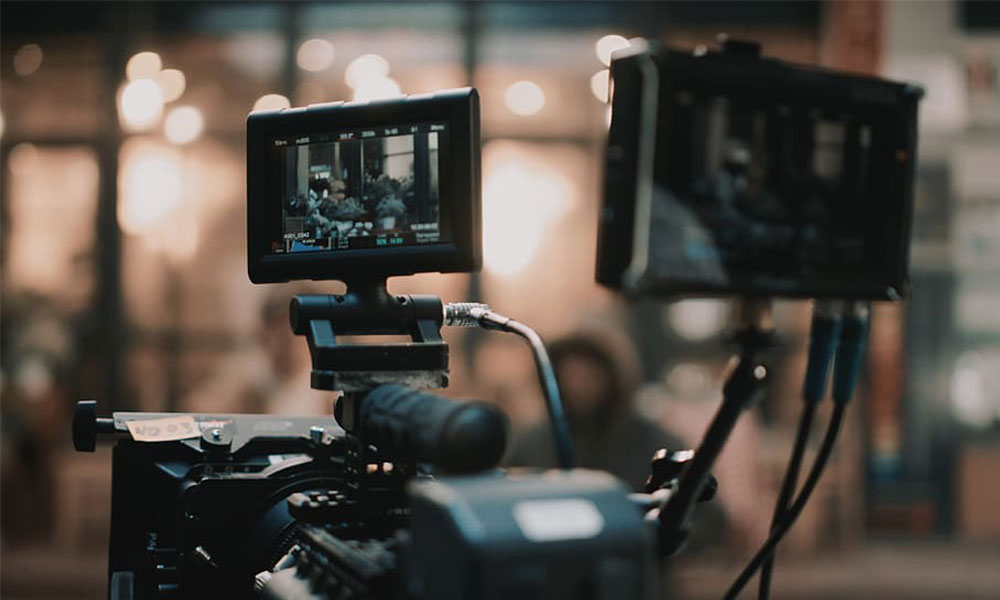
In his experience, agencies and clients act as “first censors” before a film or commercial even reaches the board.
“In TV commercials, the first censorship you go through is through the agency and client.
“Those are actually what censors you first, long before it gets to the censorship board,” he said
However, Affandi explained that by the time a filmmaker gets to the second draft, they have already learned to manoeuvre around what can or cannot be shown.
“By being creative, you work around it. In the end, you don’t care about censorship anymore because you’ve already figured out how to tell your story differently,” he said.
Affandi stressed that filmmakers should focus on telling authentic stories instead of trying to guess what audiences, authorities, or funders might approve, adding that those who spend too much time predicting reactions or appeasing censors “will never make anything worth watching.”
‘Boundaries sharpen creativity’
Affandi, whose career spans over four decades, however, said boundaries can sometimes sharpen creativity rather than silence it.
He said many filmmakers have learned to work around restrictions by layering meaning and emotion into their stories rather than spelling things out directly.
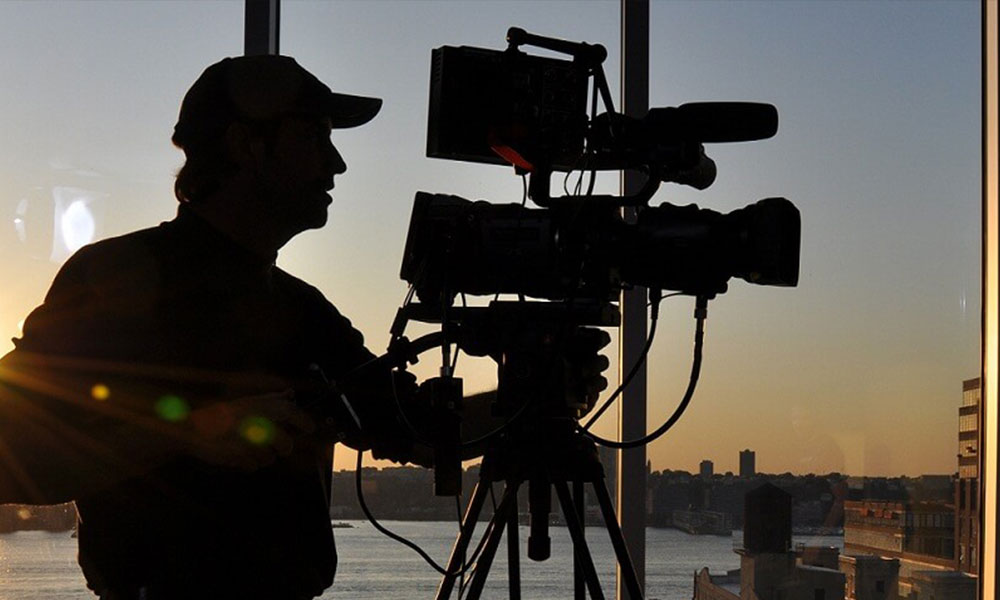
“You find ways to get your message across, to suggest rather than show, to make people feel something even if you can’t spell it out,” he said.
He also said this subtlety was one of the strengths of Yasmin’s films, which explored race, religion, and humanity with tenderness and humour even under tight scrutiny.
“Yasmin had this way of making people think without attacking them. She told human stories, and that’s what got through,” he said.
On that note, Sheril said creative freedom must come with the maturity to accept criticism, and that real freedom, she said, does not mean universal agreement but willingness to face disagreement and rejection.
Sheril also described Malaysia’s censorship climate as inconsistent and dependent on circumstance, with decisions often varying depending on person in charge.
“There’s no real rubric,” she said.
“They just say you cannot touch on the three R’s, you cannot show nudity. But at the end of the day, it depends on whoever is watching that day, and whether he ate enough or not,” she said in jest.
Subtlety over explicitness
Meanwhile, Jujur reflected on his early encounters with censorship during the era of the late Indonesian dictator, Suharto.
His first screenplay, “Sang Pembela”, was heavily revised because authorities viewed it as politically sensitive, as the themes discussed in the film were deemed “too risky” at the time.

“I recall my first experience writing a screenplay for a film, titled ‘Sang Pembela’, which told the story of a prisoner’s life in prison.
“Most of the scenes took place inside the prison, including scenes of fights between prisoners.
“But the original screenplay I wrote later had to be completely revised by a director because the Indonesian government at the time prohibited Indonesian films from showing fighting scenes in prison,” he said.
Although the experience was frustrating, Jujur said it taught him how to weave meaning subtly through tone and dialogue rather than explicit action.
“That was my first real lesson in censorship. It showed me that if you want to keep creating, you have to learn how to survive inside the system,” he said.
‘Censorship is in our heads’
He added that while official restrictions have loosened in Indonesia since the Suharto era, self-censorship remains widespread.
“Now the censorship is in our heads. Sometimes we don’t even try, because we’re already afraid,” he said.
For these filmmakers, fear may be unavoidable, but courage and creativity will always find a way to push the story forward.
/file/publisher-c1a3f893382d2b2f8a9aa22a654d9c97/2020/01/9cc13a45716906d2d5337226273f17f8.jpg)
/file/publisher-c1a3f893382d2b2f8a9aa22a654d9c97/2025/08/36ea6435b218ac16eec064f03418ba95.jpg)
/file/publisher-c1a3f893382d2b2f8a9aa22a654d9c97/2025/07/70356b6d541a27c368ae49b9acf5b674.jpg)
/file/publisher-c1a3f893382d2b2f8a9aa22a654d9c97/2025/07/42ec8b33339e717be9c12d2c2cfd2035.jpg)
/file/publisher-c1a3f893382d2b2f8a9aa22a654d9c97/2025/07/d627a690c6e3562181f2b0404dc0deca.jpg)
/file/publisher-c1a3f893382d2b2f8a9aa22a654d9c97/2024/03/898a03f950660f668e2477297b33a813.jpg)


Are you sure you want to delete this comment?
This action cannot be undone.