


/file/publisher-c1a3f893382d2b2f8a9aa22a654d9c97/2026/06/4679f7a096a369d3c73030ffabd08df5.jpg)

Govt defends migrant child treatment amid scrutiny, cites 'Baitul Mahabbah' centres
The government has rejected allegations that Malaysia treats migrant and refugee children, including Rohingya children, in an inhumane manner.
In a statement today, the Home Ministry said claims that children were detained without protection or denied basic welfare did not reflect the government’s efforts to manage irregular migration.
The government has rejected allegations that Malaysia treats migrant and refugee children, including Rohingya children, in an inhumane manner.
In a statement today, the Home Ministry said claims that children were detained without protection or denied basic welfare did not reflect the government’s efforts to manage irregular migration.
"The government, through the Home Ministry and Immigration Department, has implemented various measures to ensure the welfare and protection of the children involved continue to receive attention," it said.
As of Feb 28, the ministry said six Baitul Mahabbah centres were operating nationwide, housing 188 children, including seven classified as unaccompanied or separated children.
It described Baitul Mahabbah as an interim measure to provide more suitable temporary accommodation for migrant and refugee children aged 12 and below, together with their guardians.
The ministry said children placed at Baitul Mahabbah were transferred from conventional immigration detention depots while documentation, status verification and other administrative processes were carried out.
It added that the centres provided a more conducive environment, including access to basic necessities, healthcare, informal education, recreational activities and age-appropriate guidance.
‘Over 2k Rohingya children in immigration centres’
The Home Ministry’s statement did not refer to specific allegations.
However, it comes amid a recent controversy sparked by a series of social media posts by a former refugee known as Noor Azizah Rohingya, who was reportedly resettled in Australia from Malaysia in 2003.
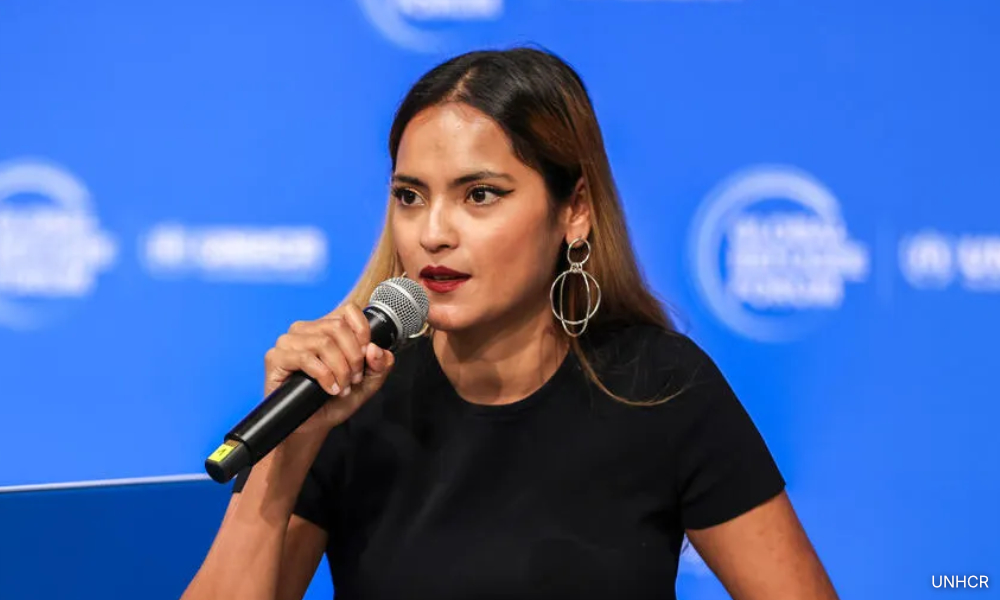
Born in Myanmar’s Arakan State in 1995, Azizah and her family, along with thousands of other Rohingya refugees, fled communal violence and arrived in Sabah, where she said she grew up undocumented and in poor conditions.
In a series of Instagram posts on June 13, Azizah appeared to have responded to what she described as an “increasing wave of hate against Rohingya refugees in Malaysia”.
On June 11, Malaysiakini reported that a petition calling for the Rohingya to be removed from Malaysia had been taken down for review by Change.org following criticism from civil society groups over the latest hate campaign against the persecuted community.
Azizah also recently drew backlash over her acceptance speech at the Marie Claire Women of the Year Awards 2025 after clips of the event circulated on social media.
Sinar Daily yesterday quoted excerpts of the speech, which was first delivered at the award ceremony in June last year.
“The world calls it the Rohingya genocide, but for us it was daily life. The sound of gunfire instead of birds. The silence of names erased from citizenship lists. The quiet burial of a people the world barely knew.
“You might know Malaysia, Indonesia and Thailand as holiday destinations for you and your family.
“In Malaysia today, over 2,000 Rohingya children are locked in immigration centres, growing up behind bars instead of classrooms,” she was quoted as saying.
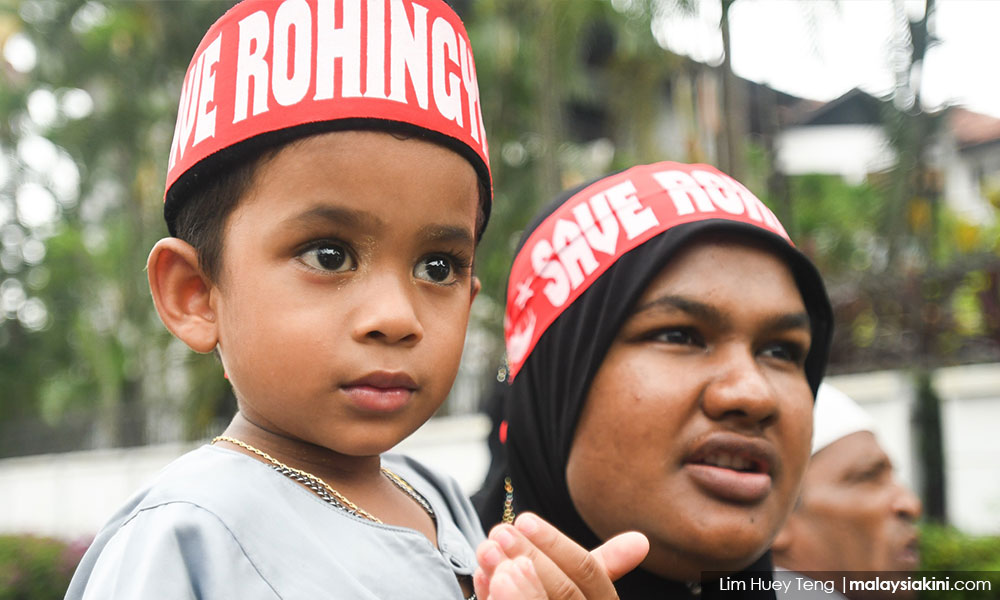
Official statistics on migrants in immigration custody do not distinguish between refugees or stateless persons and other foreign nationals.
Malaysia is also not a signatory to the 1951 UN Refugee Convention or its 1967 Protocol, making it difficult to determine the number of refugees in the country through official government records.
Under Malaysia’s Child Act 2001, a “child” eligible for legal protection is defined as a person under the age of 18. This definition suggests that the number of children in detention could be significantly higher than the figure covered under Baitul Mahabbah.
The figures on migrant children over the age of 12 who remain in immigration detention depots nationwide are unclear.
However, a 2024 Human Rights Watch report stated that 12,000 detainees, including 1,400 children, were being held in immigration detention.
Last December, Home Minister Saifuddin Nasution Ismail reportedly gave a higher figure, stating that 2,196 children were detained as of Aug 31, 2025.
They made up 11 percent of the 20,143 undocumented migrants then held at 18 immigration depots and two temporary facilities.
Alternative to detention
The Home Ministry today said Baitul Mahabbah, mooted in mid-2023 and first opened in September the same year, also served as a transitional measure while a broader framework on the alternatives to the detention of children was being refined.
It said this was being done jointly with the Women, Family and Community Development Ministry, government partners and relevant NGOs.
In September 2024, about a year since the programme’s launch, the End Detention Network - a coalition of 21 civil society organisations and individuals - urged Putrajaya to release all children held at Baitul Mahabbah and place them in community-based alternatives.
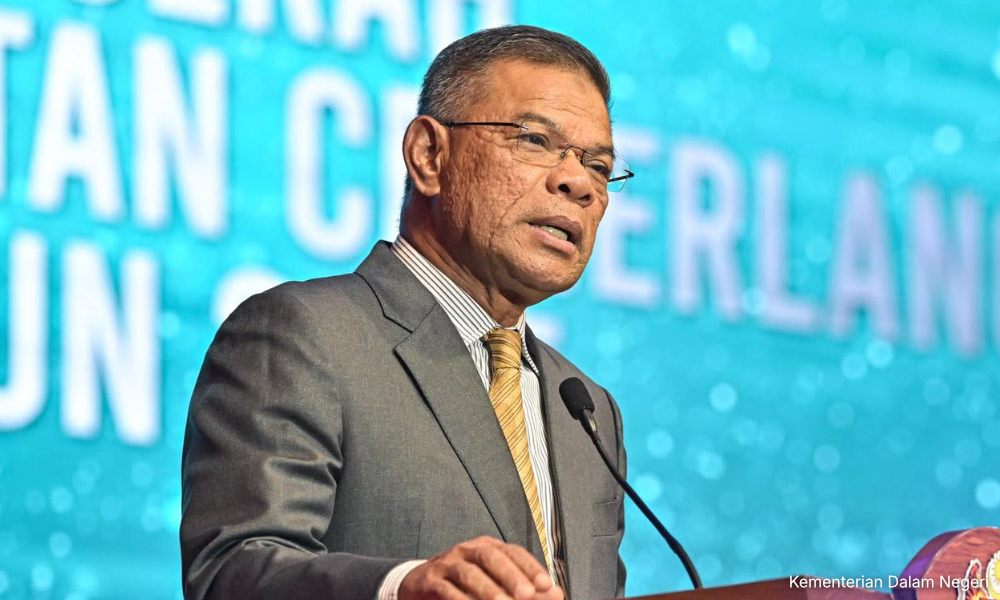
Responding at the time, Saifuddin told Malaysiakini that the Home Ministry was still studying the proposed community-based programmes as part of its future plans.
The ministry said today that plans were underway to gradually expand Baitul Mahabbah’s scope and capacity, including accommodating children aged 13 and above.
However, it said this would depend on facility suitability, security considerations and available resources.
The government said the initiative was intended to ensure children were no longer housed in conventional detention settings while protecting them from exploitation, migrant smuggling, human trafficking and neglect.
"The approach taken seeks to balance humanitarian considerations with the government's responsibility to safeguard national security and the integrity of the immigration system," the ministry said.
Targeting Rohingya
NGO leaders previously said that hate campaigns against the Rohingya, other refugees and migrants are not new in Malaysia.
The latest flare-up appeared to be part of a disinformation campaign targeting Rohingya refugees that has circulated on social media in recent weeks.
The ministry, meanwhile, stressed that the refugee issue must be viewed within the broader context of irregular migration, migrant smuggling and human trafficking.
It described these as complex cross-border humanitarian and security challenges.
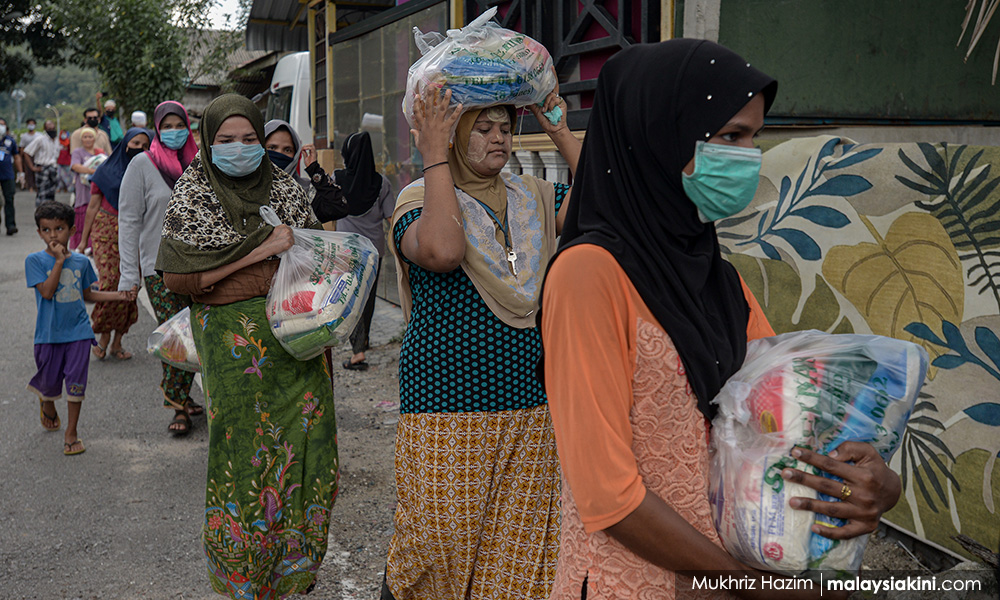
The ministry noted that vulnerable communities, including the Rohingya, often fell victim to criminal syndicates that exploited conflict, poverty and the lack of long-term solutions in their countries of origin.
The government also urged countries of origin, international organisations, regional partners and humanitarian groups to play a greater role in pursuing sustainable solutions.
It said efforts should focus not only on criticising receiving countries, but also on addressing the root causes of forced migration, dismantling smuggling and trafficking syndicates, accelerating third-country resettlement and creating conditions that allow for safe, voluntary and dignified returns.
/file/publisher-c1a3f893382d2b2f8a9aa22a654d9c97/2025/01/a6b3192f60263d75ff0deb5e7044e624.jpg)
/file/publisher-c1a3f893382d2b2f8a9aa22a654d9c97/2026/05/88e0f6df19e4f5d15fcd641cf28d79c7.jpg)
/file/publisher-c1a3f893382d2b2f8a9aa22a654d9c97/2020/04/610b659030f0d2edbe55db0d5e793623.jpg)
/file/publisher-c1a3f893382d2b2f8a9aa22a654d9c97/2026/04/f3493117cbccd9a30317ac520e779199.jpg)
/file/publisher-c1a3f893382d2b2f8a9aa22a654d9c97/2026/04/444c3a286431f10fc89ad0e0d44d83c8.png)


Report this comment
Are you sure you want to delete this comment?
This action cannot be undone.