


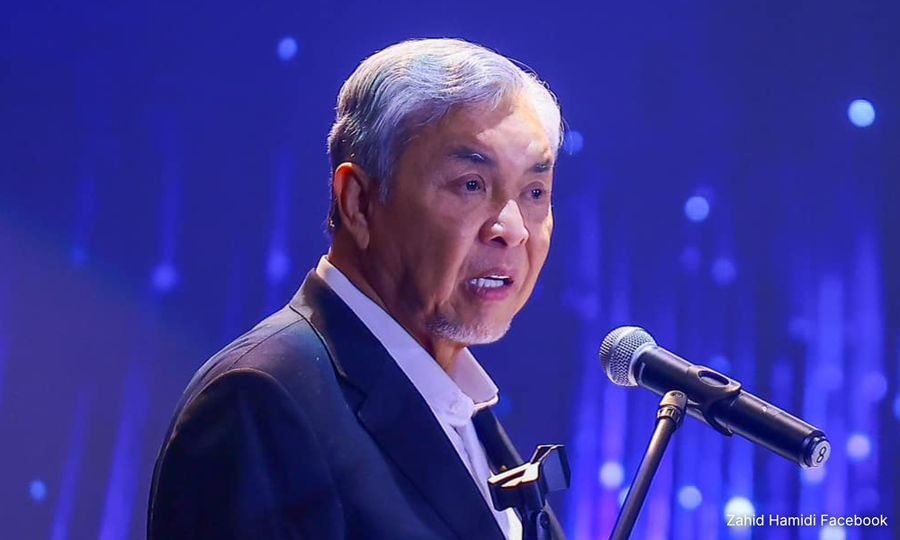

DAP Youth jumps aboard 'revisit Zahid's 47 charges' bandwagon
The wing said the matter was closely tied to the country’s institutional reform agenda, arguing that the Madani government’s credibility in fighting corruption could be undermined if politicians within the government were not subjected to the same standards as those outside it...
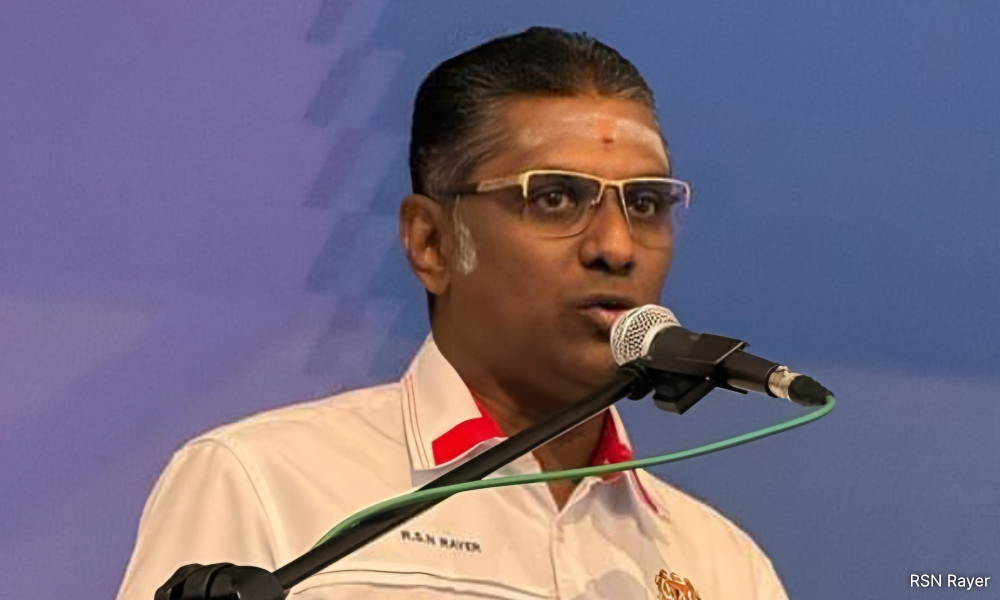
DAP Youth has thrown its weight behind Jelutong MP RSN Rayer’s call for the attorney-general (AG) to revisit the decision to drop the 47 corruption charges against Umno president Ahmad Zahid Hamidi and, if the evidence and legal grounds warrant it, revive the prosecution.
The wing said the matter was closely tied to the country’s institutional reform agenda, arguing that the Madani government’s credibility in fighting corruption could be undermined if politicians within the government were not subjected to the same standards as those outside it.
It noted that the government had demonstrated its political will to combat corruption by taking action against multiple former ministers and politicians.
“The government’s efforts in eradicating corruption must not allow the existence of any grey areas or ‘special political zones’ that create room for exceptions.
“It is only by applying the same standards to all cases that the government can strengthen the rule of law and rebuild public confidence in its institutional reform agenda against corruption,” it said in a statement.
DAP Youth also pointed to the High Court’s finding in 2022 that the prosecution had established a prima facie case against Zahid.

However, the AG’s subsequent decision to grant Zahid a discharge not amounting to an acquittal (DNAA), followed by a decision to take no further action (NFA), has prompted the Malaysian Bar to seek a judicial review.
“Over the long term, developments surrounding the case risk further eroding public confidence in the country’s judicial and prosecutorial institutions.
“As such, public concern over this case underscores the urgency of strengthening transparency and accountability within these institutions,” the wing added.
AG must uphold highest standards
DAP Youth said the AG must uphold the highest standards of transparency when handling high-profile cases involving the public interest, including by explaining in detail the legal basis and reasons for concluding that there was insufficient evidence to support the charges.
“In view of the growing concerns surrounding the controversial case, the AG has to demonstrate his unwavering professionalism in exercising his prosecutorial power in order to fully address and allay public’s concerns over the independence of the prosecution system,” it added.
The wing also called on the government to accelerate its institutional reform agenda, particularly the separation of the roles and powers of the AG and the public prosecutor, saying this would significantly reduce the risk of political interference in the prosecution system.

“Malaysian youths have had enough of the old political narratives and are calling for a new politics based on political integrity, accountability and procedural justice.
“Therefore, any dilution of the rule of law in the name of political stability would severely undermine youth’s confidence in the country’s democratic transformation.
“Young Malaysians want institutions that are clean, transparent, and committed to applying the same standards across the board,” it added.
Rayer questions decision
Yesterday, Rayer questioned why the prosecution against the Umno president had been discontinued despite the government’s renewed crackdown on corruption, stressing that the same standards must apply to political allies and opponents.
The DAP MP also urged the authorities to revive or pursue the case if the evidence and legal circumstances justified such action.
On Sept 4, 2023, the Kuala Lumpur High Court granted the prosecution’s application for a DNAA in Zahid’s corruption case.
The lead prosecutor at the time, Dusuki Mokhtar, now the AG, had cited 11 reasons for seeking the DNAA, including allowing the prosecution to conduct a more comprehensive and complete investigation into the case.
READ MORE: AGC: Zahid's DNAA based on 'cogent' reasons
While a DNAA allows Zahid to be charged again if prosecutors later decide to pursue the case, the decision drew criticism from various quarters, including former Bar Council president Ambiga Sreenevasan, who described it as a “waste of public funds”.



Report this comment
Are you sure you want to delete this comment?
This action cannot be undone.