


/file/publisher-c1a3f893382d2b2f8a9aa22a654d9c97/2026/08/ee33ac1f40404535132d47a73ebdc4aa.png)

How early fault detection protects renewable energy recovery at BTEP
Imagine producing renewable energy but being unable to deliver it where it is needed.
For most people, renewable energy success is measured by how much electricity is generated. Yet behind every megawatt exported to the grid lies hidden a network of infrastructure that quietly determines whether that energy can successfully be delivered.
At Bukit Tagar Enviro Park (BTEP), renewable electricity is generated from landfill gas captured during the natural decomposition of waste. By converting landfill gas into renewable electricity, BTEP not only generates clean energy via gas engines but also reduces greenhouse gas emissions by utilizing methane that would otherwise be released into the atmosphere.
Today, BTEP operates 7 landfill gas engines with a combined installed capacity of 12.4 MW, making it one of Malaysia's largest landfill gas-to-energy facilities. Under normal operating conditions, the facility exports approximately 8–9 MW of renewable electricity to the national grid, delivering over 400 million kWh of green electricity since its commencement in 2009.
But generating electricity is only half the story. The real challenge is ensuring that every possible megawatt reaches the grid reliably, day after day. This is where early fault detection plays a critical role.
Every Megawatt Matters
Renewable energy is often measured by how much electricity is generated. However, its true value depends on how reliably that electricity can be delivered to the national grid for use.
At BTEP, every hour of uninterrupted operation enables landfill gas to be continuously converted into renewable electricity. Every megawatt exported to the grid represents methane being put to productive use as a renewable energy source, rather than being released into the atmosphere as a greenhouse gas that contributes to climate change.
In 2025 alone, BTEP recovered approximately 45 million Nm³ of landfill gas, avoiding an estimated nearly 400,000 tonnes of CO₂ equivalent emissions through methane recovery and renewable energy generation.
As Malaysia accelerates its renewable energy ambitions under the National Energy Transition Roadmap (NETR), every opportunity to recover clean energy from waste becomes increasingly important. Reliable infrastructure plays a vital role in ensuring that renewable electricity generated from landfill gas extraction can continue to contribute to the national grid while maximizing the environmental benefits of methane capture.
This is why reliability matters just as much as generation capacity.
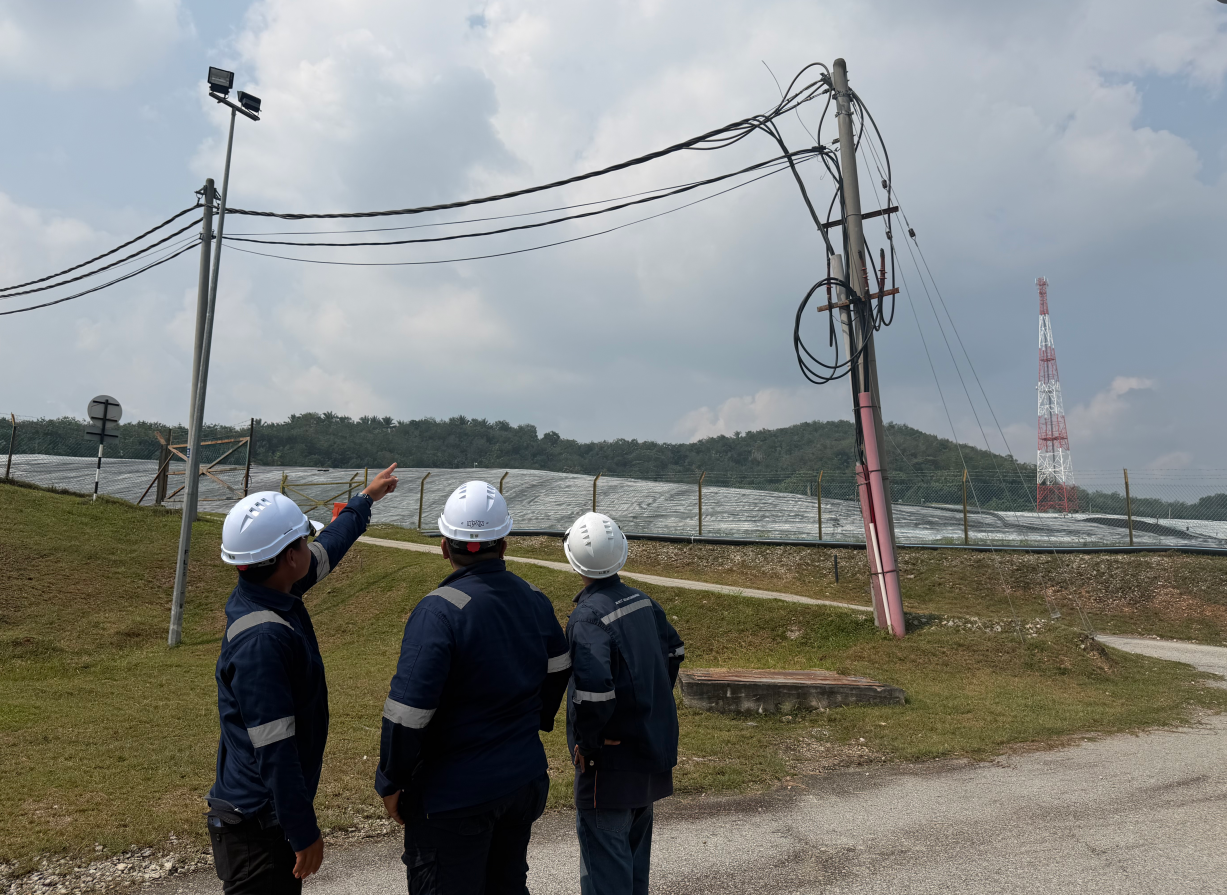
Early Fault Detection: Seeing Problems Before They Become Failures
Like any critical electrical infrastructure, transmission cables and associated equipment naturally deteriorate over time due to ageing, electrical stress and environmental conditions. If left undetected, minor insulation defects can gradually develop into faults that interrupt the reliable delivery of renewable electricity.
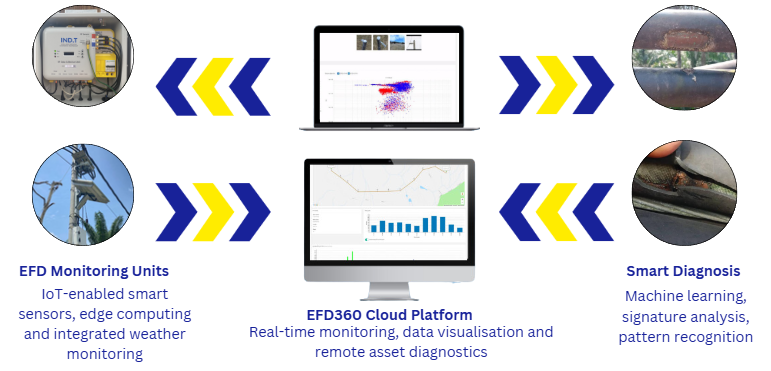
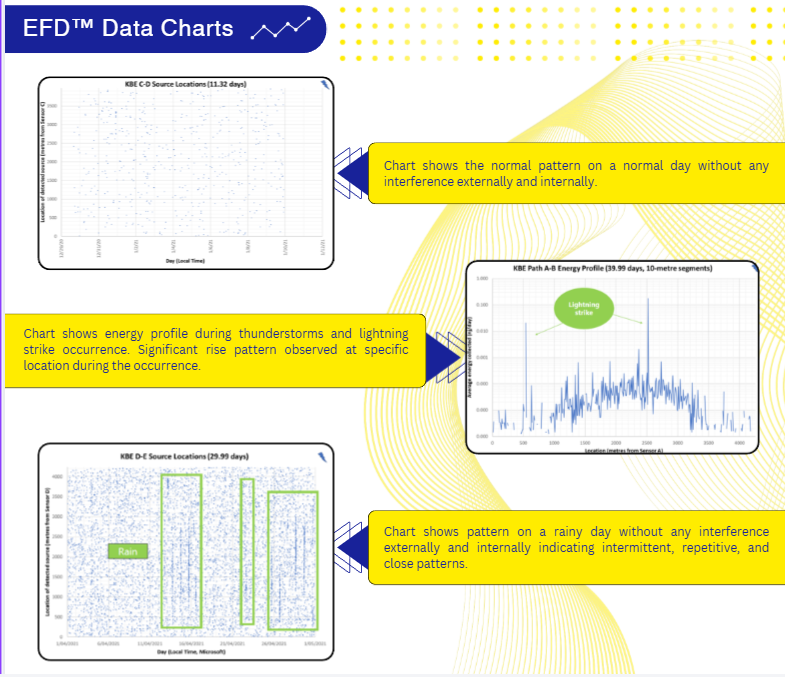
To address this challenge, BTEP has adopted the IND.T Early Fault Detection (EFD™) System, a predictive monitoring technology designed to detect and locate developing electrical faults before they interrupt operations. By continuously analyzing electrical signals, the system provides early warnings of developing cable defects, enabling maintenance teams to intervene before faults escalate into major operational disruptions.
From Early Detection to Timely Action
A developing cable issue may remain unnoticed until a complete failure occurs.
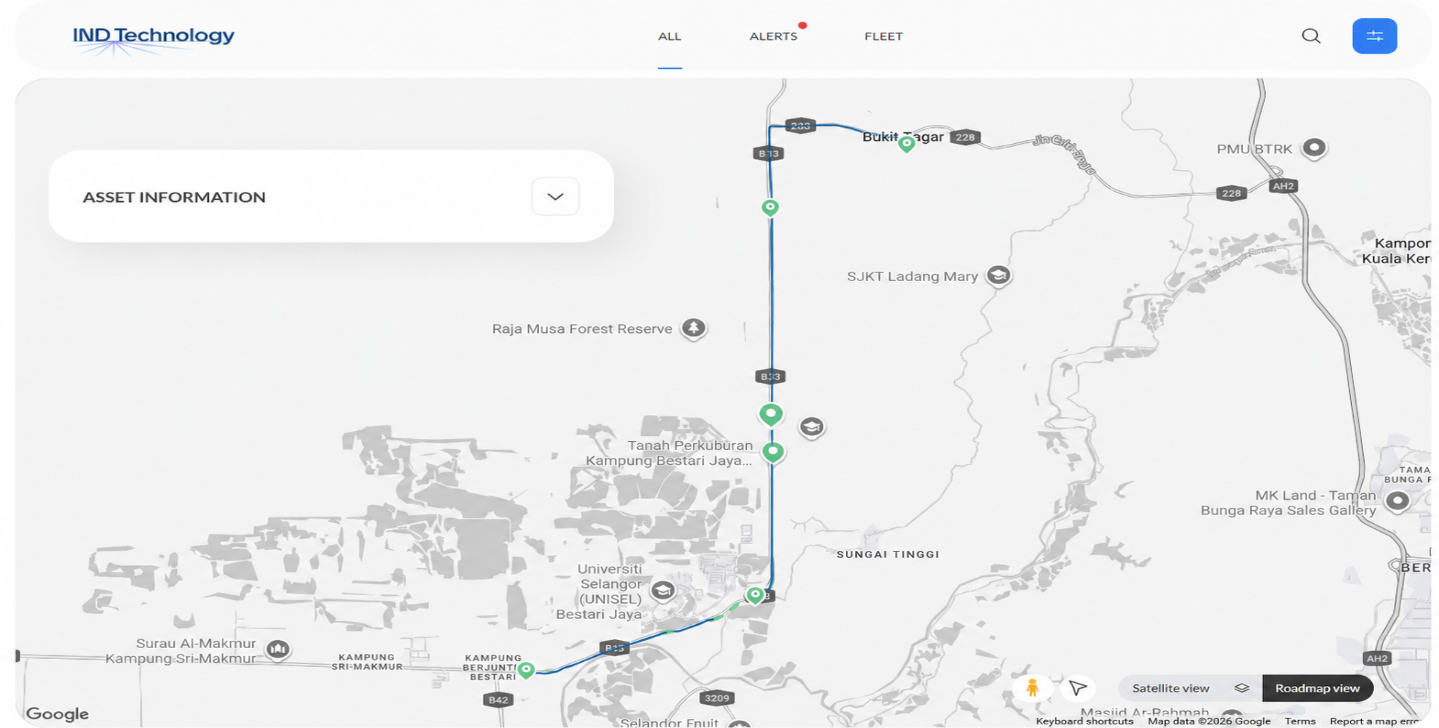
Across a transmission network spanning approximately 19.2 kilometers, identifying fault location can be a challenging and time-consuming process. For renewable energy facilities, time matters. Every hour spent responding to an unexpected cable failure may reduce opportunities to export renewable electricity to the grid. Even a single hour of unexpected interruption could reduce renewable electricity export by around 30% compared to normal operations.
With Early Fault Detection, maintenance teams no longer have to search the entire transmission network after a failure occurs. Instead, the EFD360 platform pinpoints areas of abnormal electrical activity, allowing investigations to focus on specific locations before a developing defect becomes a major failure.
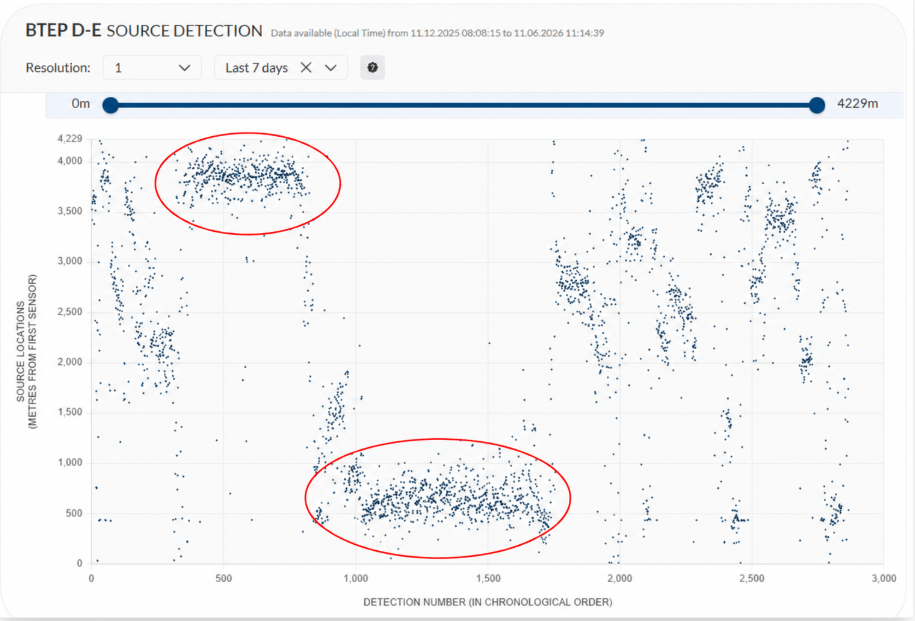
By enabling earlier intervention, the EFD system helps minimize unplanned downtime and supports the continuous export of renewable electricity to the national grid, ensuring more clean energy recovered from landfill gas can be delivered where it is needed.
Behind Every Alert is a Team
While sensors and monitoring platforms play an important role, technology alone cannot safeguard renewable energy.
Behind every alert are engineers, technicians and operational teams interpreting data, investigating abnormalities and making informed decisions.
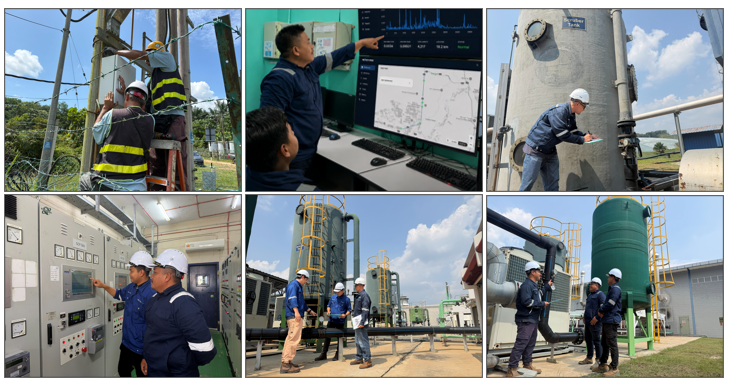
Together, they create a more proactive maintenance approach, helping reduce unexpected interruptions and ensuring renewable electricity recovered from landfill gas can continue to be delivered reliably.
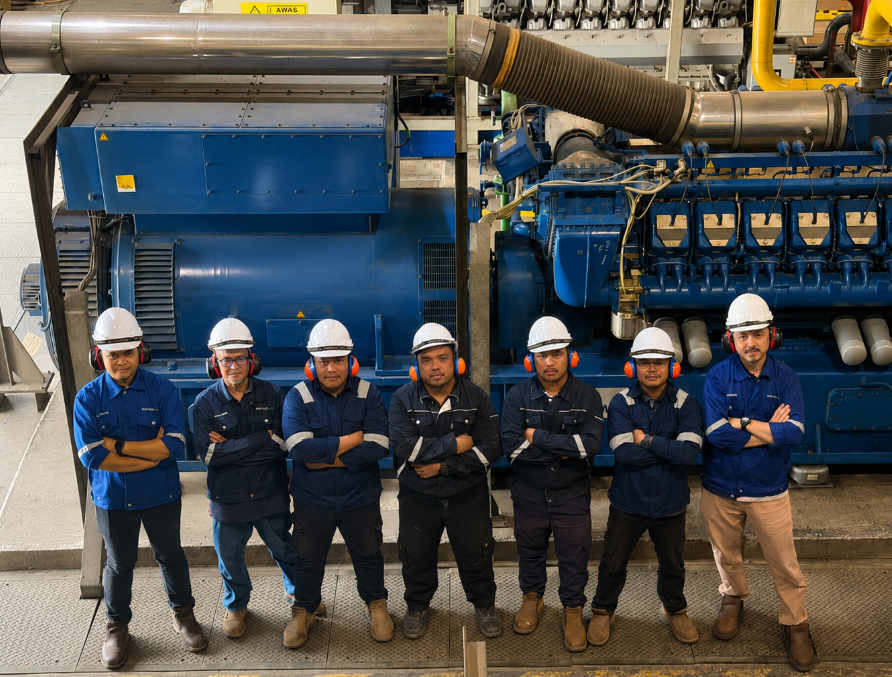
In the end, preventing a major failure is about more than avoiding repair costs. It is about protecting every opportunity to recover clean energy from waste.
Looking Ahead
As Malaysia advances its transition towards a lower-carbon future, renewable energy success will depend not only on increasing generation capacity, but also on building resilient infrastructure capable of delivering electricity reliably.
Technologies such as Early Fault Detection reflect a growing shift towards smarter, data-driven asset management, enabling operators to identify risks earlier, make informed maintenance decisions and strengthen long-term system reliability.
At BTEP, this commitment goes beyond renewable energy generation. It reflects a broader vision of transforming waste into value while supporting Malaysia's sustainable energy transition.
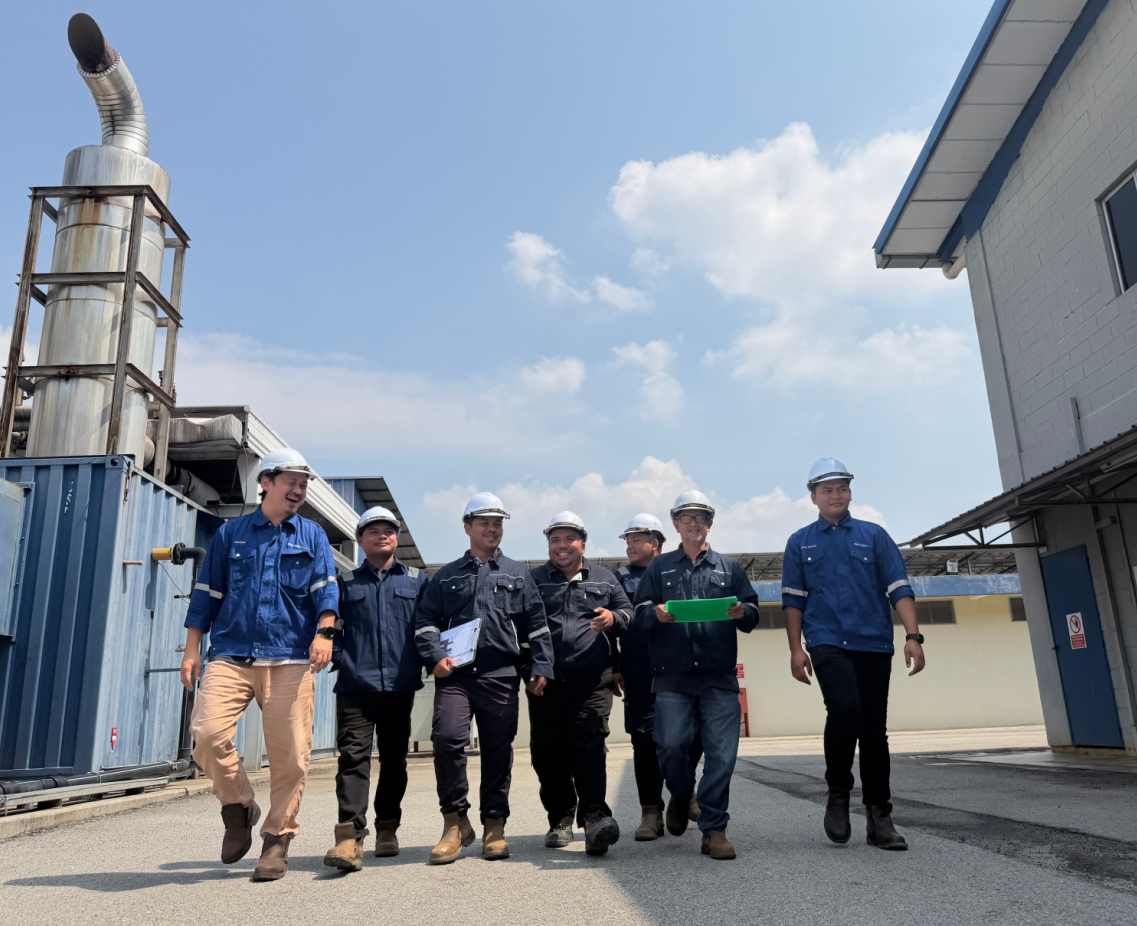
Ultimately, the success of renewable energy is measured not only by what we generate, but by what we reliably deliver. Through Early Fault Detection, BTEP demonstrates that protecting electrical infrastructure is just as important as generating clean energy, ensuring every opportunity to recover value from landfill gas contributes to a more sustainable future.
This content is provided by Naza Energies Sdn Bhd (N-Energies)
The views expressed here are those of the author/contributor and do not necessarily represent the views of Malaysiakini.
Interested in having your press releases, exclusive interviews, or branded content articles on Malaysiakini? For more information, contact advertise@malaysiakini.com or advertise@fgmedia.my


