


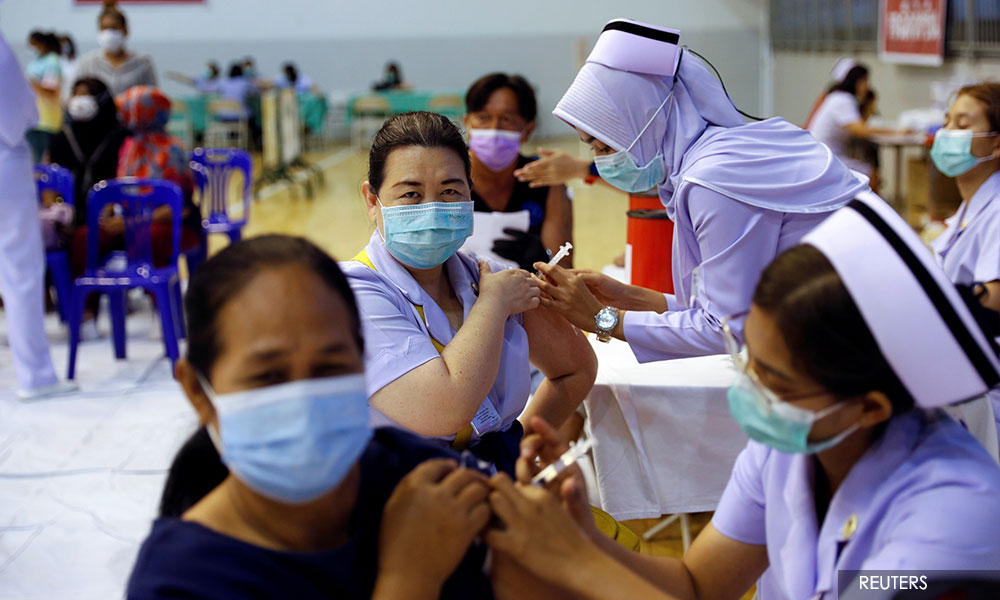

Chile report: Sinovac vaccine 67pct effective against symptomatic infection
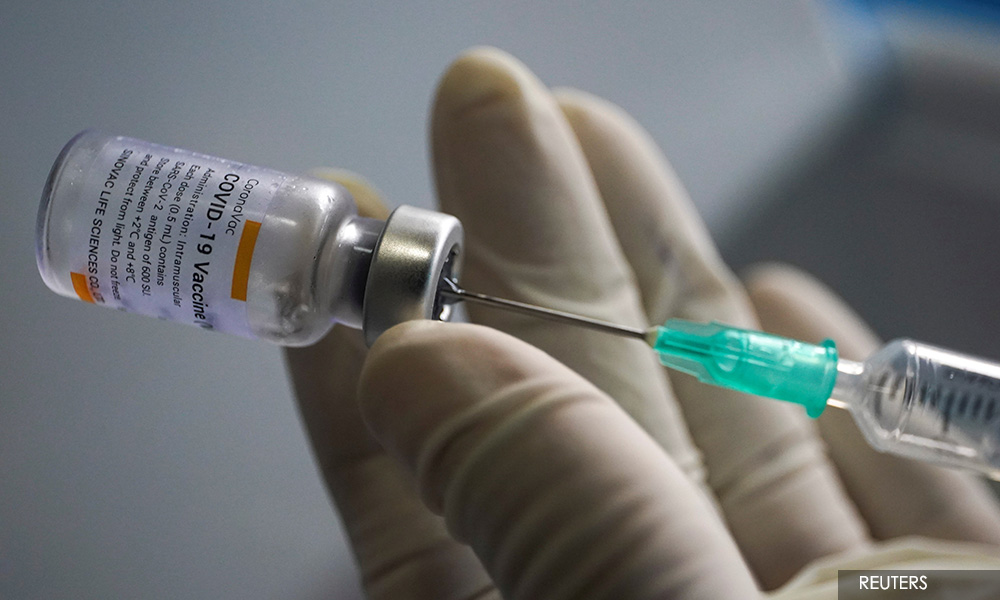
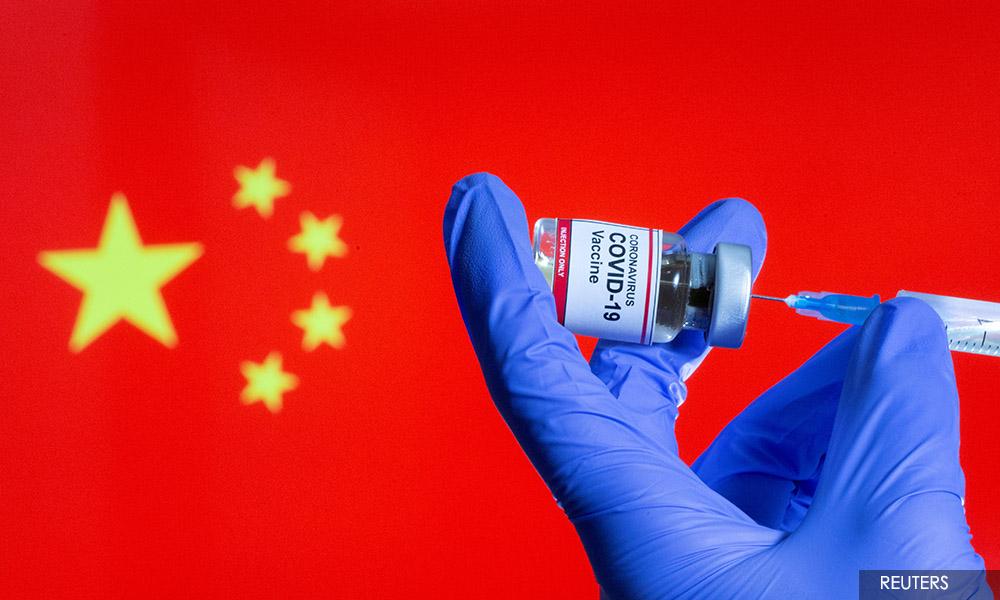
Sinovac's Covid-19 vaccine CoronaVac was 67 percent effective in preventing symptomatic infection in the first real-world study of the Chinese shot, the Chilean government said on Friday.
The vaccine was 85 percent effective in preventing hospitalisations and 80 percent effective in preventing deaths, the government said in a report prepared by the Chilean health ministry...
Sinovac's Covid-19 vaccine CoronaVac was 67 percent effective in preventing symptomatic infection in the first real-world study of the Chinese shot, the Chilean government said on Friday.
The vaccine was 85 percent effective in preventing hospitalisations and 80 percent effective in preventing deaths, the government said in a report prepared by the Chilean health ministry.
The release of the data makes Chile one of a handful of countries, including the United Kingdom and Israel, that have used inoculation campaigns to gather insights into how effective vaccines are outside controlled clinical trials and when faced with unpredictable variables in societies.
Israel's real-world study of the effectiveness of Pfizer's vaccine looked at the results among 1.2 million people, a mix of those who received the shot and those who did not.
Chile's study examined CoronaVac's effectiveness among 10.5 million people, again looking both at people who had been vaccinated and those who had not.
The data compares favourably to previous data released on CoronaVac's efficacy in clinical trials.
In January, a Brazilian trial said the general efficacy of the drug in preventing symptomatic infection was 50.4 percent.
A later study, published this month, said efficacy against symptomatic Covid-19 was 50.7 percent, efficacy against cases requiring medical treatment was 83.7 percent, and efficacy against moderate and severe cases was 100 percent.
Indonesia gave the vaccine emergency-use approval based on interim data showing it was 65 percent effective.
In a Turkish trial, CoronaVac had an efficacy in preventing symptomatic infection of 83.5 percent, and 100 percent in preventing severe illness and hospitalisation.
The Chilean study looked at the impact of the vaccination among people in the public health system between Feb 2 and April 1, adjusting for age, sex, comorbidities, income level and nationality.
Its authors stressed that its results, for example, lower protection against death than in clinical trials, should be considered against the backdrop of a fierce second wave of the pandemic.
It compared people who were not inoculated, individuals 14 days or more after receiving one dose and more than 14 days after receiving a second dose.
Partially vaccinated people, those with just one shot, were found to be far more vulnerable to contracting Covid-19, the results showed.
- Reuters
Brazil asks women to delay pregnancy over new coronavirus variant fears




Report this comment
Are you sure you want to delete this comment?
This action cannot be undone.