
Virus variants a concern in Indonesia as regional clusters grow
A jump in Covid-19 cases on Indonesia's two most populous islands has health experts worried that the worst could be yet to come, with few curbs on movement at a time when dangerous variants drive record fatalities elsewhere in Southeast Asia.
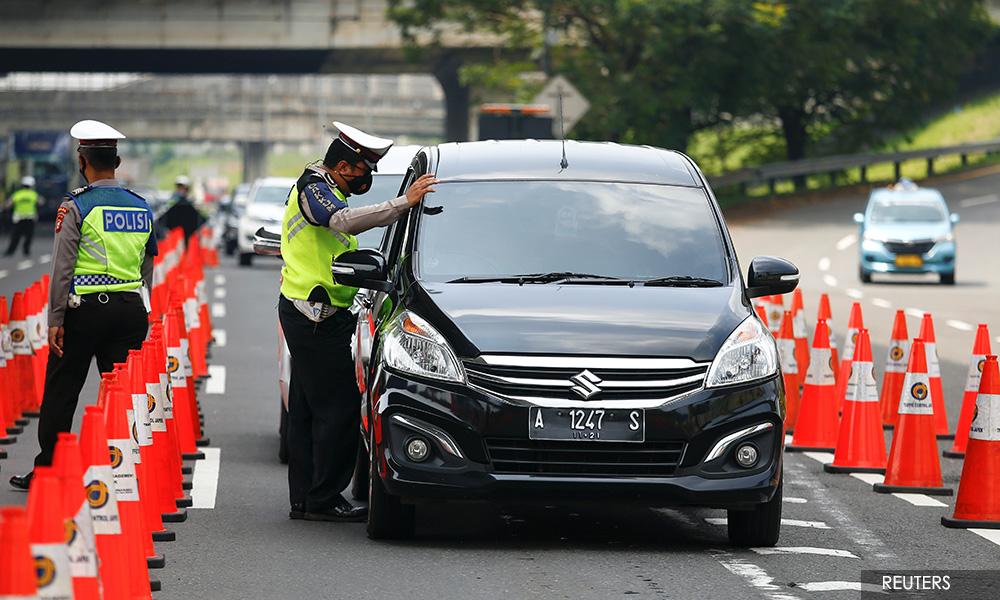
Case numbers have risen sharply in Java and Sumatra three weeks after holidays that followed the Islamic fasting month, when millions ventured across the archipelago, ignoring a temporary travel ban.
In Kudus, central Java, where healthcare reinforcements have been brought in, cases skyrocketed 7,594 percent according to Wiku Adisasmito...
A jump in Covid-19 cases on Indonesia's two most populous islands has health experts worried that the worst could be yet to come, with few curbs on movement at a time when dangerous variants drive record fatalities elsewhere in Southeast Asia.
Case numbers have risen sharply in Java and Sumatra three weeks after holidays that followed the Islamic fasting month, when millions ventured across the archipelago, ignoring a temporary travel ban.
In Kudus, central Java, where healthcare reinforcements have been brought in, cases skyrocketed 7,594 percent according to Wiku Adisasmito of Indonesia's COVID-19 taskforce. Hospital capacity had hit 90 percent here, local media reported.
Defriman Djafri, an epidemiologist from Andalas University in Pandang, said fatalities in West Sumatra in May were the most on record.
In Riau on Sumatra, daily cases more than doubled from early April to over 800 by mid-May, while the positivity rate was at 35.8 percent last week, said Wildan Asfan Hasibuan, an epidemiologist and provincial taskforce adviser.
Wildan attributed the spike to increased mobility and the possible spread of the coronavirus variants, which have driven big spikes in many countries.
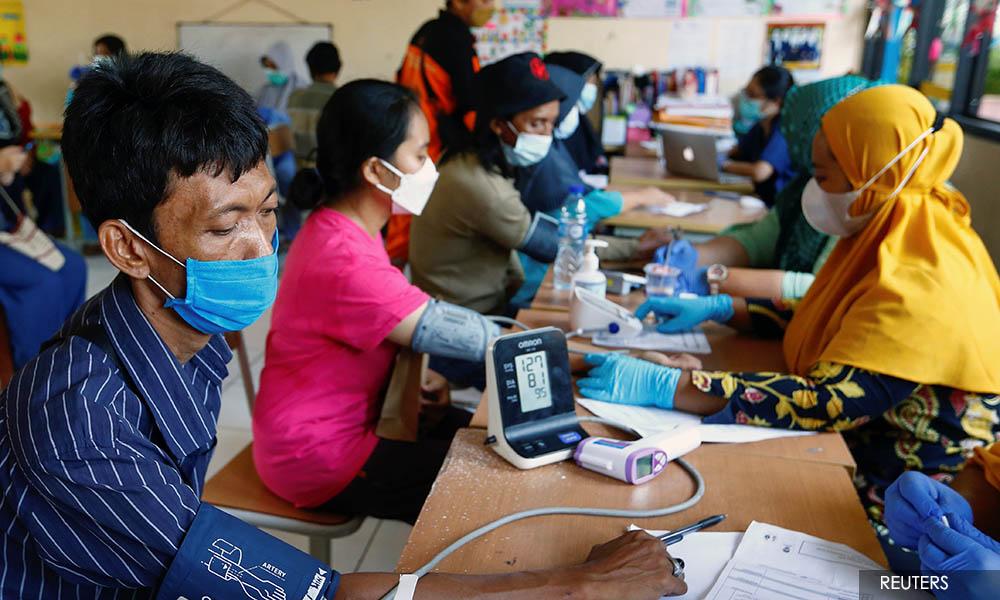
The impact of Variants of Concern is hard to determine in Indonesia, which has limited genomic sequencing capacity.
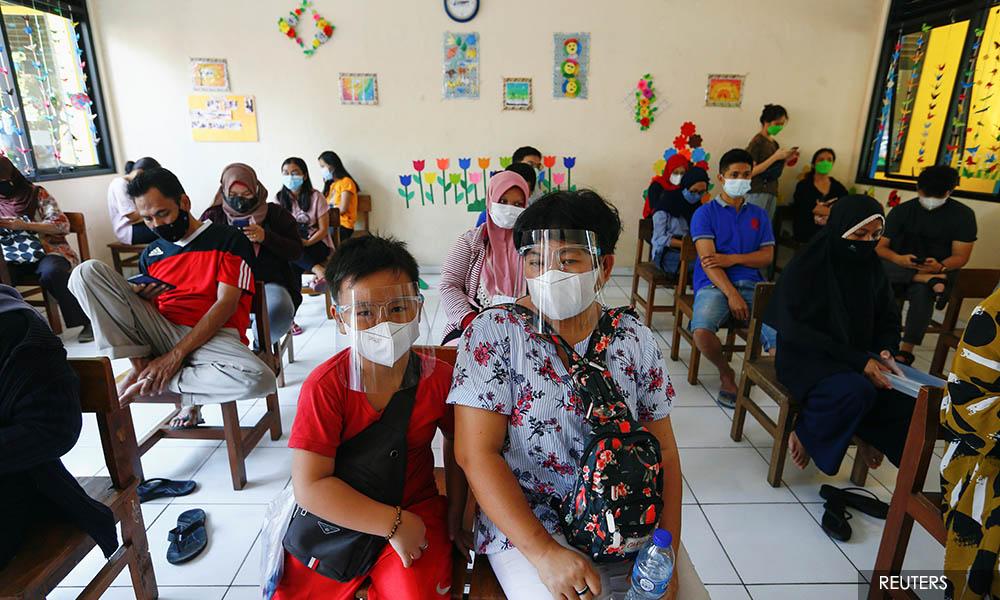
It also has testing and tracing shortfalls and its immunisation drive has progressed slowly, with one in 18 people targeted for inoculations fully vaccinated so far.
Recent studies have also indicated cases could be far higher than the nearly 1.9 million known infections, among Asia's highest caseloads.
Dicky Budiman, an epidemiologist from Australia's Griffith University, said Indonesia should take Covid-19 variants more seriously, particularly the Delta variant, which he said was in its early stage of spreading.
"If we don't change our strategy, we will face an explosion of cases in the community, mortality will increase," he said.
"It means sooner or later it will reach the more vulnerable... we will face an explosion of cases which we cannot contain or respond to in our health facilities."
- Reuters