


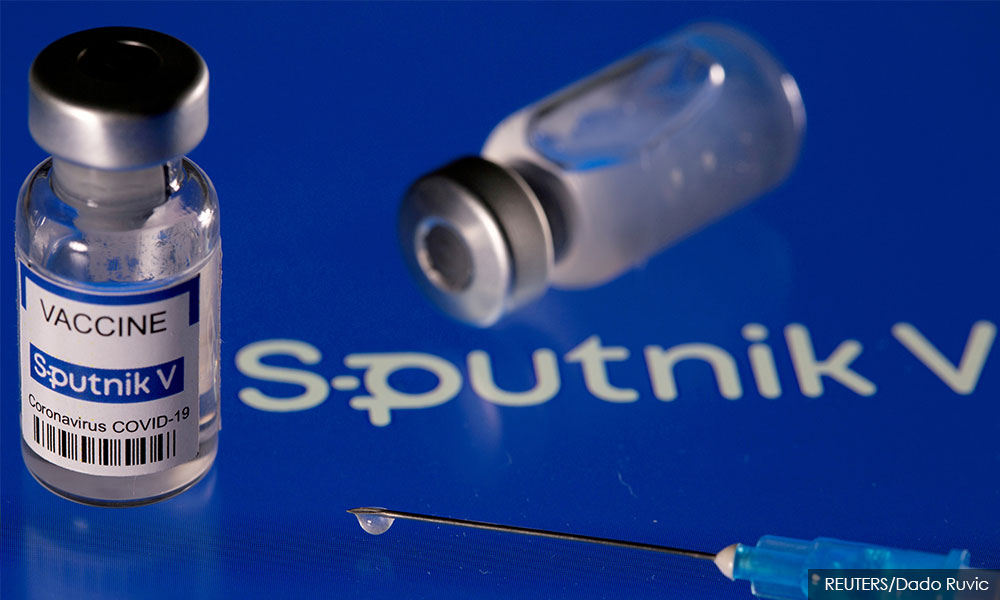

WHO cites concerns about Russian Sputnik V plant, which says issues resolved
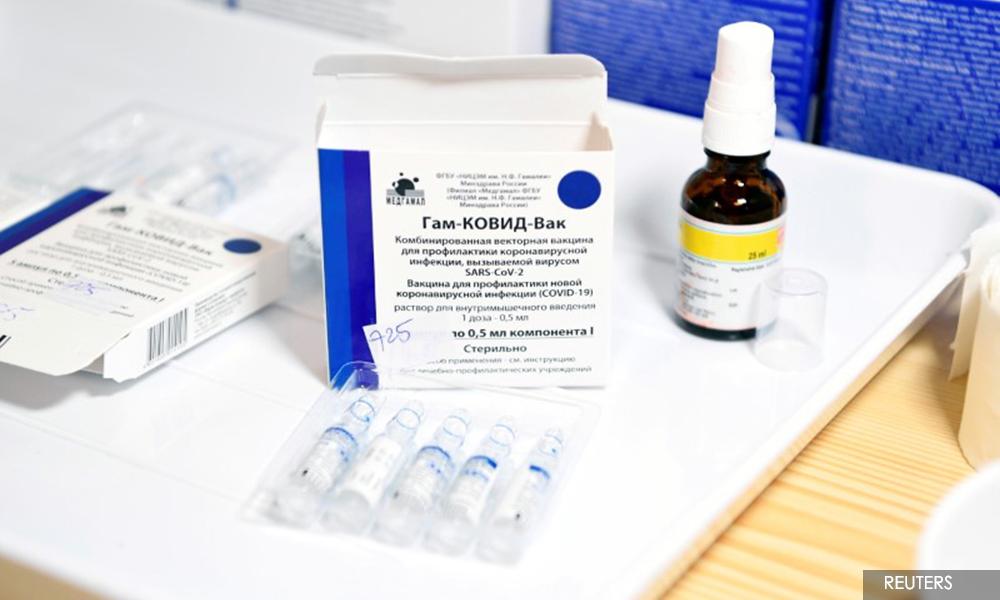
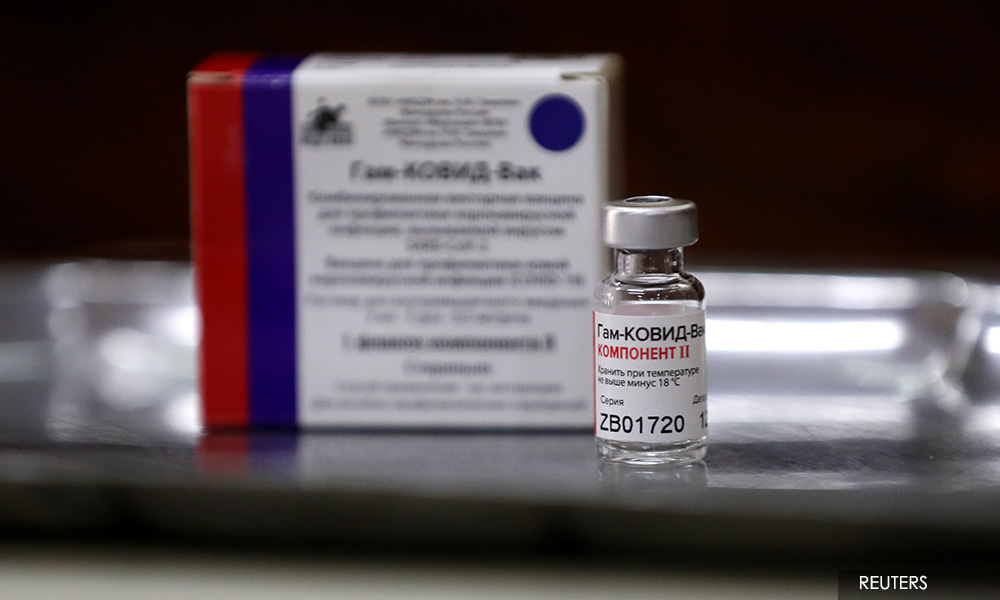
The World Health Organisation (WHO) said its review of how Russia produces the Sputnik V coronavirus vaccine found some issues with vial-filling at one plant. The plant has said it had since addressed all of WHO's concerns.
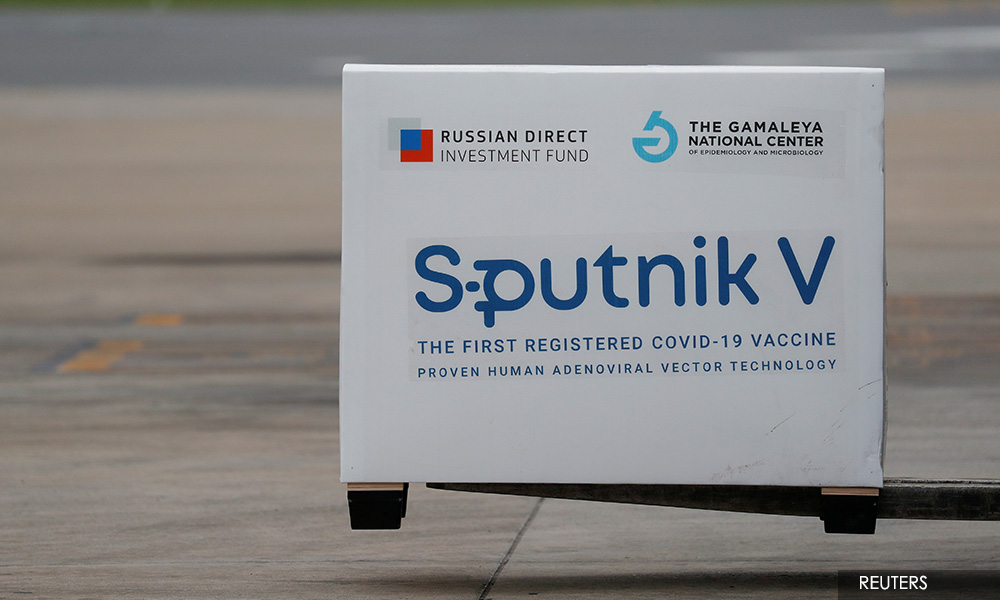
The Sputnik V shot, widely used in Russia and approved for use in over 60 countries, is undergoing a review by the WHO and the European Medicines Agency (EMA). Their approval could open up new markets for the shot, especially in Europe.
In a preliminary report issued on Wednesday...
The World Health Organisation (WHO) said its review of how Russia produces the Sputnik V coronavirus vaccine found some issues with vial-filling at one plant. The plant has said it had since addressed all of WHO's concerns.
The Sputnik V shot, widely used in Russia and approved for use in over 60 countries, is undergoing a review by the WHO and the European Medicines Agency (EMA). Their approval could open up new markets for the shot, especially in Europe.
In a preliminary report issued on Wednesday, the WHO said its concerns were related to one of four Sputnik V production sites that it reviewed, the Pharmstandard-UfaVITA filling plant, located in the Russian republic of Bashkortostan.
The issues did not relate to the safety or efficacy of the vaccine itself, Pharmstandard-UfaVITA said in a statement. The plant said they are responsible only for pouring doses of Sputnik V vaccine produced elsewhere into vials.
Concerns with the filling lines have subsequently been fully addressed, the company said. "We invite WHO for another inspection. We remain fully transparent and will continue with the WHO pre-qualification process."
At the site, the WHO's pre-qualification inspection team found issues with the integrity of data and test results produced during quality controls of the shot.
The report also "identified concerns with the implementation of adequate measures to mitigate the risks of cross-contamination," it said.
It also identified concerns with sterility, including with the clothing worn by those operating the lines.
It further found issues with tracing and identifying batches of vaccines manufactured at the site.
The WHO's review was carried out between May 31 and June 4.
In its statement, Pharmstandard-UfaVITA listed the concerns as well as the actions taken in response.
Kremlin spokesperson Dmitry Peskov said on Wednesday all complaints were taken into consideration and that all necessary corrections to the production process had been made.
- Reuters


Report this comment
Are you sure you want to delete this comment?
This action cannot be undone.