



Clean environment could become UN human right - Not so fast, say US, Britain
Britain and the United States are among a few countries withholding support for a proposal brought at the United Nations that would recognise access to a safe and healthy environment as a human right.
This prompted criticism that they are undermining their own pledges ahead of the Glasgow climate conference.
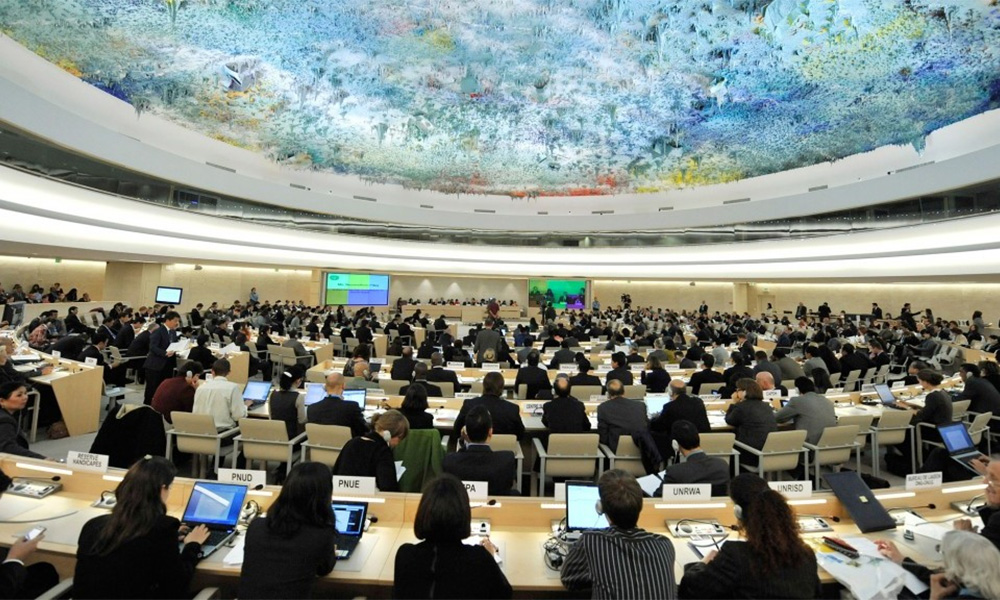
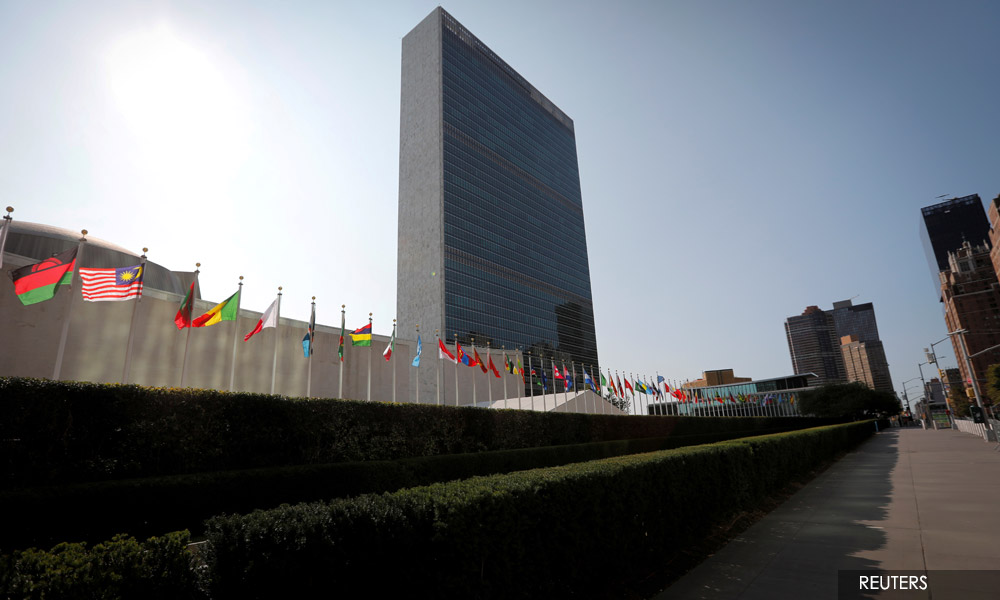
Diplomats say the Geneva-based Human Rights Council is expected to adopt the resolution later this week even if an opposing country calls a vote, as supporters are numerous and include Costa Rica, the Maldives, and Switzerland.
If adopted, environmental defenders say it will...
Britain and the United States are among a few countries withholding support for a proposal brought at the United Nations that would recognise access to a safe and healthy environment as a human right.
This prompted criticism that they are undermining their own pledges ahead of the Glasgow climate conference.
Diplomats say the Geneva-based Human Rights Council is expected to adopt the resolution later this week even if an opposing country calls a vote, as supporters are numerous and include Costa Rica, the Maldives, and Switzerland.
If adopted, environmental defenders say it will pressure countries to join the more than 100 nations that already recognise a legal right to healthy surroundings.
And while the resolution would not be binding, lawyers say it will shape norms and help campaigners develop arguments in climate cases.
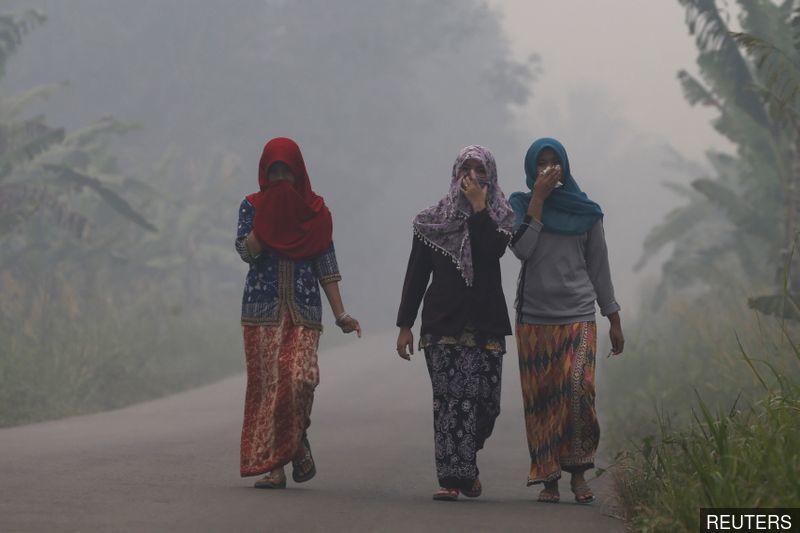
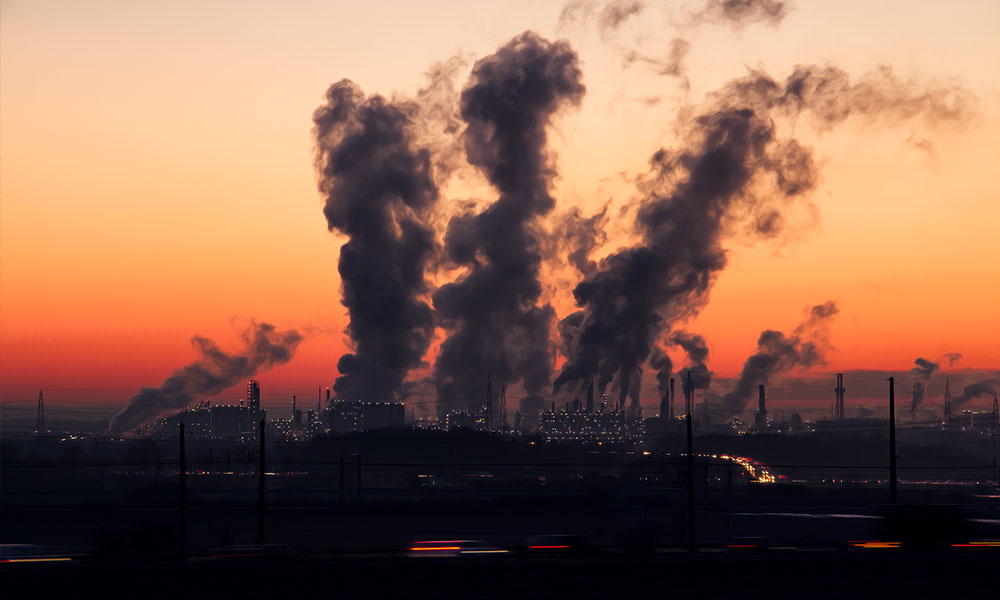
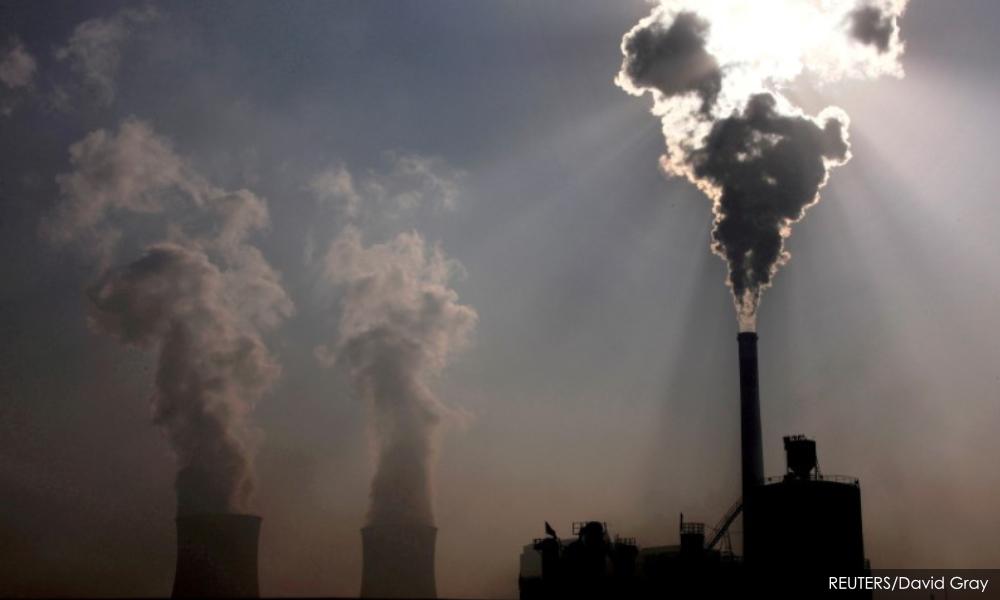
The World Health Organisation estimates that some 13.7 million deaths a year, or around 24.3 percent of the total, are due to environmental risks such as air pollution and chemical exposure.
"At the national level, this right has been shown to empower people, particularly those most vulnerable to environmental damage or climate change, to drive change and hold governments to account," said Marc Limon of the Universal Rights Group think-tank.
"This might explain why some governments like the US, Russia, and the UK don't like it."
Observers following the discussions have criticised the stance of London as host of the UN Climate Change Conference (COP26) in Glasgow next month.
"Climate leadership must be reflected across diplomacy commitments - there is more to it than hosting the COP," said Sebastien Duyck, campaign manager on human rights and climate change at the Center for International Environmental Law.
"The UK must join the overwhelming majority of countries in support of this resolution so as to avoid undermining its position," he added.
Yasmine Ahmed, UK director of Human Rights Watch, said she hopes Britain "comes to its senses" because the resolution is supported by "many countries more vulnerable to climate change, the very countries that (Prime Minister Boris) Johnson pledged to support."
"The UK's leadership on climate action is well documented and our efforts are currently focussed on a successful COP26 in Glasgow," a spokesperson for the UK mission in Geneva said.
"While we have legal concerns about recognising a right to a safe and healthy environment in this way, we continue to engage constructively with the main authors of this resolution at the Human Rights Council."
The US mission did not respond to a request for comment.
In discussions about the resolution, Washington also referred to legal concerns as well as worries that recognising new rights could dilute traditional civil and political rights, according to sources following the talks.
The United States is not currently a Council member but is vying for a seat and can still join debates as an observer.
While the lack of US support clashes with President Joe Biden's administration's promise to play a global leadership role on climate change, Washington has historically been hesitant to add new rights and tends to avoid legally binding treaties that could be difficult to ratify.
Brazil and Russia are opposed to the resolution which they say needs amending, sources following the talks say.
Challenge to status quo
For David Boyd, UN special rapporteur on human rights and the environment, the UN proposal, which was first conceived in the 1990s, is long overdue.
"The evidence is overwhelming that these environmental challenges are directly affecting people's enjoyment of fundamental human rights," he said.
"There are definitely countries that have a deep-rooted interest in maintaining the status quo and this is a challenge to them," he added, without naming them.
Past UN resolutions such as one in 2010 on the right to water and sanitation, have prompted countries like Tunisia to pass legislation enshrining it in domestic law.
Aspects of the historic 1948 Universal Declaration of Human Rights later became law via an international treaty.
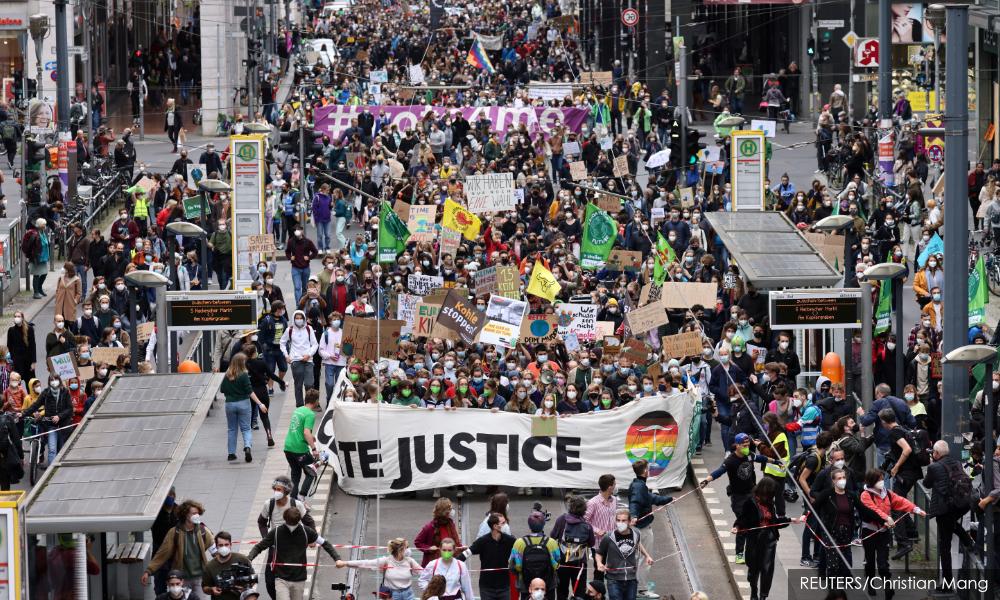
Globally, the number of climate-related litigation cases has soared in the past few years and more are invoking human rights to support their arguments.
Remo Klinger, a lawyer for environmental non-profit Deutsche Umwelthilfe, said the resolution represents an example of "soft law" which could be used to make better cases.
The group organised a successful legal case that in April forced Germany to tighten its climate policies.
Dennis van Berkel, legal counsel to the Urgenda Foundation which won a landmark climate case against the Dutch government in 2019, said the resolution could help courts interpret the right in future cases.
"Although it is enshrined in many constitutions, courts do not have a huge amount of experience in how to apply this right," he said.
The Council's 47 members are also set to decide this week on a parallel resolution brought by the European Union and others and supported by Britain that would create a new special rapporteur on climate change.
Top UN rights official Michelle Bachelet opened the Council's session in September by calling environmental threats "the single greatest challenge to human rights of our era".
- Reuters


Report this comment
Are you sure you want to delete this comment?
This action cannot be undone.