




Flight of Thai Muslims raises spectre of refugee exodus
The flight of dozens of Thai Muslims across the Malaysian border has sparked fears here that northern Malaysia may face a major refugee problem as the violence in southern Thailand worsens.
The flight of dozens of Thai Muslims across the Malaysian border has sparked fears here that northern Malaysia may face a major refugee problem as the violence in southern Thailand worsens.
Local leaders and villagers in northeastern Kelantan state, where some 131 Thais are being held by authorities after seeking safe haven last week, say they believe many more have sought refuge in predominantly Muslim Malaysia.
"I believe many more traumatized people have entered Malaysia. You must be aware that Muslims in southern Thailand have blood ties with the people in Malaysia," Mohamad Zaki Ibrahim, a state assemblyman in Tumpat district, said.
"Many of those living in southern Thailand have relatives in Tumpat. I think many may be already staying with their relatives to escape the violence," he told AFP .
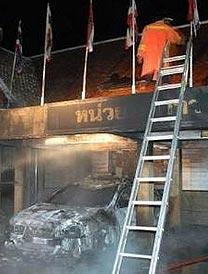 Rantau Panjang is a small, bustling town just across the border from Sungai Golok where a series of explosions last week, targeting a karaoke bar and two hotels, has rocked business confidence and kept tourists away.
Businessmen, traders and taxi drivers complain they are experiencing a sharp drop in economic activity due to the bombings which injured 15 people including a Malaysian tourist.
The upsurge in the violence in the Muslim-majority provinces in southern Thailand, where at least 900 people have been killed over the past 20 months, is also believed to have triggered the flight of the 131 Muslim Thais.
Complaints of discrimination
The arrival of the group, which includes women and children, is reviving memories here of Malaysia's last refugee crisis - the wave of Vietnamese asylum-seekers that began in the mid-1970s.
"If there is no peace in the southern region, more Muslim Thais are going to come to Malaysia just like the flood of boatpeople from Vietnam," said Mohamad Zaki.
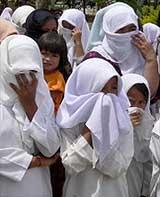
The 131 Thai Muslims have reportedly said they feared for their lives, particularly since Thailand introduced an emergency decree in July that gives authorities sweeping powers. They also suspected that the shooting death of a local cleric had been carried out at the hands of the security authorities.
 The decree, which has been sharply criticised by rights groups, is designed to stem the wave of violence that authorities and analysts say is a volatile mix of Islamic separatism, organised crime and narco-trafficking.
Thailand is a predominantly Buddhist nation but the five southernmost provinces bordering Malaysia, where an insurgency has rumbled on for decades, are home to the bulk of its minority Muslim community.
Muslim residents in the south have long complained of discrimination by government policies enacted in Bangkok, and being made to feel they were not equal with other Thai citizens.
Malaysian Foreign Minister Syed Hamid Albar last week urged Thailand to restore confidence and safety in the south, in unusually frank comments between neighbours who normally refrain from commenting on each other's affairs.
"We are concerned because we do not want to see the flight of refugees into our country. It is very difficult for us to handle," he said last week.
"I think the responsibility is for the Thai side to ensure that they can overcome the fear, whether real or perceived fear, in the local community in Thailand so that they will not come here."
'We will help them'
Syed Mahazar, 38, a local youth leader from Gual Tok Deh, a small village near Sungai Golok, said the community expected more Thais to enter Malaysia if the violence persisted.
"I think if more bombs go off, more Thai Muslims will come," he said, adding that if that happened, the villagers were fully prepared to house and feed the refugees with whom they share religion, culture and language.
"We are Muslims so we must help them," he said.
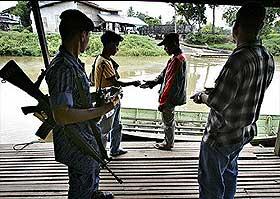
 Pointing to the narrow Sungai Golok river that provides only a flimsy barrier between the two countries, Syed Mahazar said refugees could easily enter Malaysia undetected and then be absorbed into the community.
"You just need to jump on one of the small fishing boats and row across the river," he said.
The damage to the economy on both sides of the border is painfully obvious. Wan Ding, a 23-year-old driver, said Malaysian tourists were shying away from Sungai Golok where he lives with his family.
"I believe my business will be quiet for at least two weeks," he said as he joined a long queue of motorists waiting to fill their petrol tanks with cheap Malaysian fuel before crossing into Thailand.
Zainur Abdullah, a 42-year-old Muslim Thai, who runs a fruit stall at the Rantau Panjang immigration office, is one of many ordinary people trying to get on with their lives amid the fear and bloodshed.
"I live in Malaysia but every morning I enter Sungai Golok to buy some vegetables and fruits for my business. My body shivers but what choice do I have," she said.


Are you sure you want to delete this comment?
This action cannot be undone.